Some meals just feel like home, and a warm bowl of moong dal is exactly that. This is the best moong dal recipe for lunch or dinner: light, protein-packed, and ready in under 30 minutes. Whether it is a hectic weekday or a slow Sunday afternoon, this easy moong dal recipe fits right in without any fuss. It is the kind of dish that tastes like it took effort, even when it barely did.
What Is Moong Dal?
Moong dal is split, skinned green gram, the humble mung bean husked and halved so it cooks down into a soft, golden-yellow comfort. Unlike heavier lentils, it needs no long soaking and digests gently, which is why it is often the first dal fed to babies and the meal of choice when someone is recovering from illness. In most Indian homes, when nobody wants to think too hard about dinner, the honest answer is simply moong. It is quick, forgiving, and almost impossible to get wrong, which is why it has stayed a staple across generations without ever feeling boring.
Moong Dal Nutrition
This little lentil punches well above its weight. Per 100g of dry moong dal you get around 24g of protein, roughly 16g of fibre, and barely 1g of fat. It is loaded with folate, magnesium, and potassium, and carries a low glycemic index, so it releases energy slowly and keeps you full without a sugar crash. One cooked bowl serves up close to 14g of protein, which makes this yellow moong dal recipe one of the most budget-friendly plant proteins available in India today. For anyone tracking their intake, it is a rare food that is both filling and genuinely good for you.
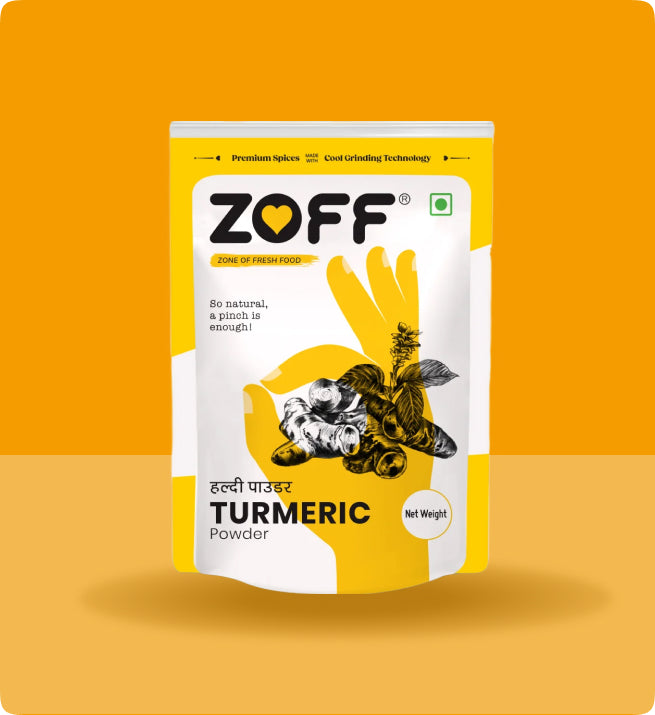
Making this indian moong dal recipe at home is genuinely simple. Rinse 1 cup of moong dal two or three times until the water runs clear. Add the dal to a pressure cooker with 3 cups of water, a chopped tomato, 1 teaspoon of ginger-garlic paste, half a teaspoon of turmeric, and salt to taste. Cook on medium flame for 3 to 4 whistles, then let the pressure release naturally. Open the lid, whisk the dal lightly, and loosen the consistency with hot water if needed. For the tempering, heat 2 tablespoons of ghee in a small pan, add cumin seeds, two dried red chillies, and a pinch of hing. Once they splutter, switch off the flame, stir in a teaspoon of red chilli powder, and pour the sizzling tadka over the dal. Cover for a minute to trap the aroma, then finish with fresh coriander.
Variations You'll Love
The beauty of this recipe is that it is a base you can play with endlessly. For a dhaba-style finish, add a second tadka of onions, tomatoes, and green chillies for that rich, restaurant-like depth. For palak moong dal, stir a handful of chopped spinach into the dal while it simmers for a boost of iron. Turn it into moong dal khichdi by cooking the dal with rice and a little extra water for a one-pot comfort meal. Or try a lemon-tempered South Indian version by skipping the chilli powder and squeezing in fresh lemon for a lighter, tangier bowl.
Why Is Moong Dal a Superfood?
Beyond taste, moong dal earns its superfood tag honestly. Its high protein and fibre combination supports muscle repair and keeps digestion smooth. The low glycemic index makes it a smart pick for anyone managing blood sugar or working on weight goals. It is naturally rich in antioxidants, and because it is so easy to digest, your body actually absorbs those nutrients efficiently instead of struggling with them. For vegetarians especially, few everyday foods offer this much nourishment for so little effort or cost.
Tips for the Perfect Dal
A few small habits make a big difference to the final bowl. Never skip the rinsing step, as it removes excess starch and stops the dal turning gluey. Cook the tomatoes along with the dal rather than adding them later, so they soften completely into the base. Always add the tadka right at the end for maximum aroma. If your dal thickens after resting, loosen it with hot water rather than cold to keep the texture silky. And a final dab of ghee just before serving lifts the entire dish.
Serving Suggestions
Moong dal is endlessly flexible at the table. Serve it hot over steamed rice or jeera rice for a classic dal-chawal, or pair it with soft phulka and a side of sliced onion and lemon. It also works beautifully alongside khichdi, papad, and a spoon of pickle. For a lighter dinner, a bowl of dal on its own with a squeeze of lemon is genuinely satisfying, which is proof that the best moong dal recipe does not need much to shine. A small bowl of curd or a simple cucumber salad on the side rounds the meal off nicely. Learning how to make moong dal at home this well means you will rarely reach for takeout again.
Disclaimer: The information in this blog is for general informational purposes gathered from various sources. Zoff Foods does not guarantee specific health or nutritional outcomes. Please consult a qualified health professional for personalised dietary advice.
Frequently Asked Questions
1. How do you make moong dal at home?
Rinse 1 cup yellow moong dal, then pressure cook it with 3 cups water, a chopped tomato, turmeric, and salt for 3 to 4 whistles. Finish with a ghee tempering of cumin, dried red chillies, and hing. The whole dish takes under 30 minutes.
2. Is moong dal healthy to eat every day?
Yes. Moong dal is high in protein and fibre, low in fat, and very easy to digest, which makes it safe and beneficial for daily meals for most people, including children and the elderly.
3. How much protein is in moong dal?
Dry moong dal contains about 24g of protein per 100g, and one cooked bowl provides roughly 14g of protein, making it one of India's most affordable plant protein sources.
4. Do you need to soak moong dal before cooking?
Soaking is optional. Yellow moong dal cooks quickly without soaking, but a 15-minute soak can shorten cooking time slightly and make the dal even lighter on digestion.
5. Which moong dal recipe is best for weight loss?
A simple lemon-tempered moong dal made with minimal ghee is ideal for weight loss. It is low in calories, high in protein, and keeps you full for longer, reducing snacking.
Z
ABOUT THE AUTHOR
ZOFF Foods
ZOFF Foods is built on the belief that great taste starts with great ingredients. With cool grinding technology and a focus on freshness, ZOFF brings authentic Indian flavours to every kitchen.


 Sold out
 Sold out