Batata Vada Secrets: Tips to Make Crispy and Flavourful Vadas Every Time

Batata Vada Secrets: Tips to Make Crispy and Flavourful Vadas Every Time

There's a reason every Mumbai local station smells faintly of frying besan by 8 a.m. The batata vada that golden, spiced potato fritter wrapped in a crisp gram-flour shell is the soul of Maharashtrian street food. Slip it into a pav with green chutney and you've got the legendary vada pav. Eat it solo with a fried green chilli on the side, and it's pure comfort.

But here's the honest truth most recipes skip: a great batata vada and a soggy, oil-heavy one come down to about five small decisions. Get them right and you'll make crispy, flavourful vadas every single time whether you call it batata vada, aloo vada, or just "that potato thing from the corner stall."

Let's break down exactly what separates a great vada from an average one.

What Actually Makes a Batata Vada Crispy

Crispiness isn't luck it's physics. A vada turns crisp when the besan batter hits hot oil fast enough to seal instantly, trapping steam inside while the outside sets. If your oil is too cool, the batter drinks it up and you're left with grease instead of crunch.

Three things control this: oil temperature, batter consistency, and how dry your filling is. Nail those, and the rest is just seasoning.

Ingredients

The beauty of this dish is how few batata vada ingredients it actually takes.

For the filling:

- 4–5 boiled and mashed potatoes,
- mustard seeds,
-curry leaves,
-finely chopped green chillies,
-grated ginger and garlic,
-a pinch of asafoetida (hing),
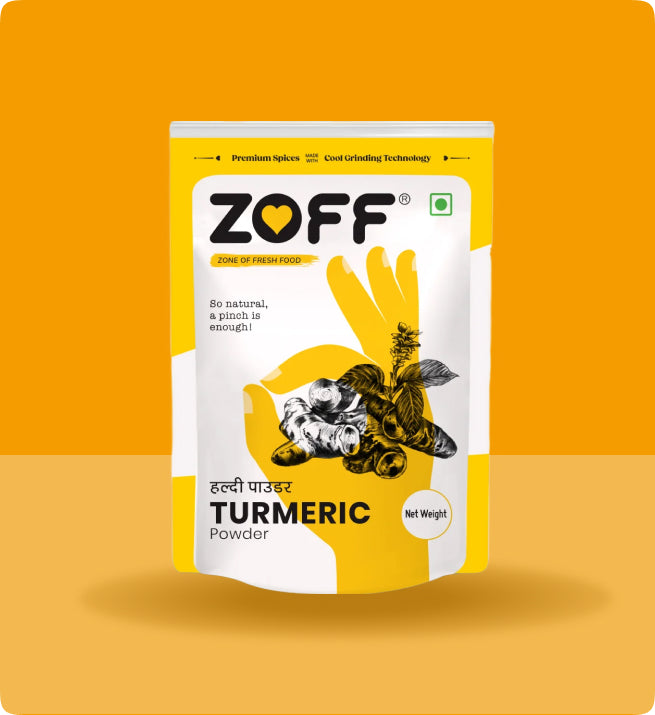
-turmeric,
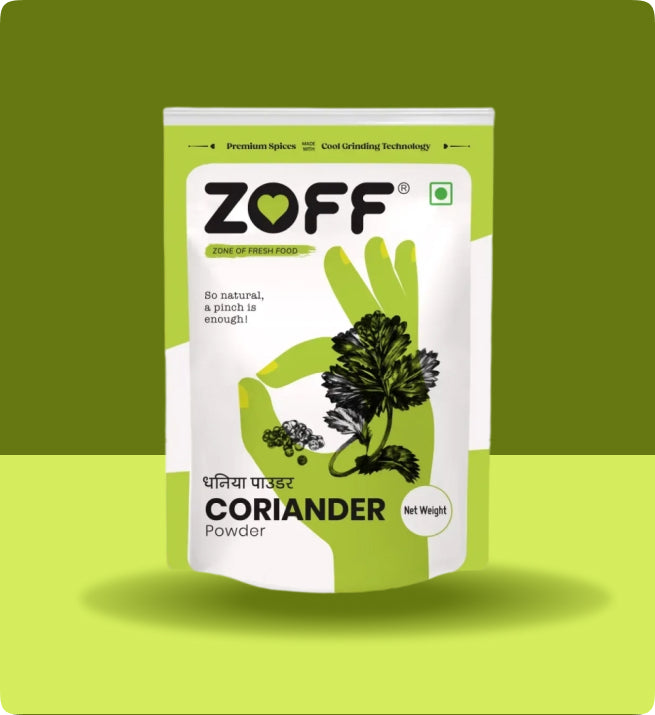
-fresh coriander,
-and a squeeze of lemon

For the batter:

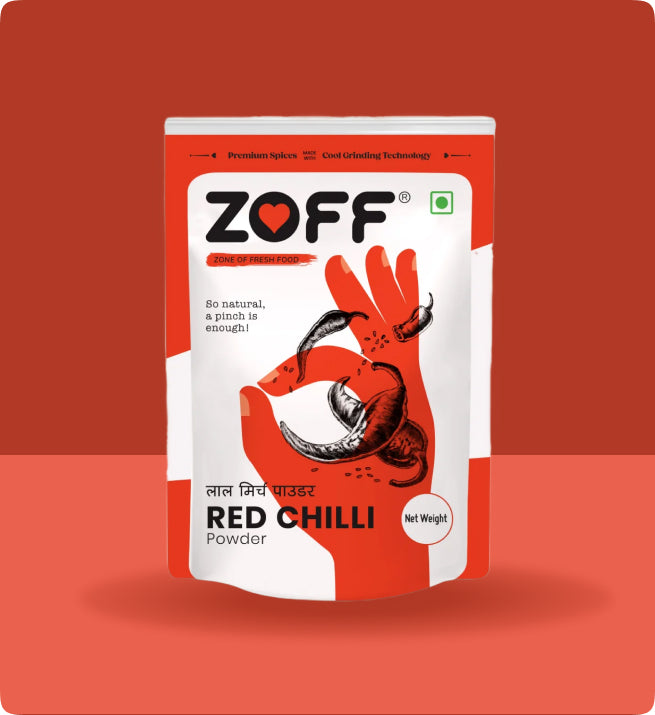
1 cup besan (gram flour), a pinch of turmeric and red chilli powder, salt, a small pinch of baking soda, and water. That's it no fancy shopping list, just pantry staples and good spices doing the heavy lifting.

The 5-Step Crispy Batata Vada Recipe Framework

Think of this as your repeatable potato vada recipe follow the order and you can't really go wrong.

  1. Dry the filling: After mashing, sauté the potato mix for two minutes so excess moisture evaporates. Wet filling means soft, leaky vadas.
  2. Temper with intent: Pop mustard seeds in hot oil, then add curry leaves, hing, ginger-garlic and green chilli before folding in the potato. This is where flavour gets built.
  3. Get the batter right: Whisk besan with water into a smooth, ribbon-like consistency thick enough to coat the back of a spoon, never runny. Add 1 tablespoon of hot oil to the batter; this single trick makes it noticeably crispier.
  4. Heat the oil to 175–180°C: Drop a pinch of batter in it should rise to the top within seconds, sizzling. If it sinks and sits, the oil isn't ready.
  5. Don't crowd the pan: Fry 3–4 vadas at a time so the oil temperature stays steady. Turn until deep golden, then drain on a wire rack, not paper, so steam escapes and the crunch survives.

Batata Vada Masala: Where The Flavour Lives

A pale vada is a missed opportunity. The right batata vada masala turns a plain potato ball into something people actually remember.

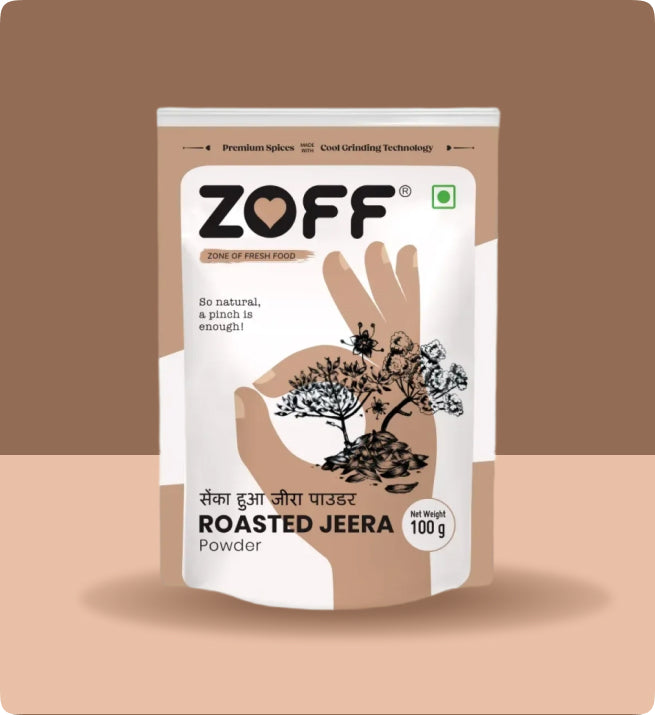
Beyond the basics, a good Maharashtrian-style mix leans on freshly ground coriander, cumin, a hint of garam masala, and that unmistakable garlicky-chilli kick. Many home cooks finish the filling with a spoon of dry garlic chutney for depth. The real secret is freshness pre-ground spices that have sat for months lose their oils, and your vada ends up tasting flat. Whole spices ground close to use, or a fresh, well-blended masala, is what gives that street-stall aroma you can never quite recreate from memory.

Common Mistakes That Ruin A Good Vada

A few real-world traps worth avoiding:

  • Over-mashing the potato: turns the filling gluey. Mash just until smooth, leaving a few tiny lumps.
  • Skipping the rest: let shaped vadas sit five minutes before frying so they hold their shape.
  • Reusing burnt oil: adds a bitter edge and a dark, uneven colour.
  • Frying too hot: browns the outside before the centre warms through. 175–180°C stays the sweet spot.

Quick Wins For Next-Level Crunch

Add a teaspoon of rice flour to the batter for extra crispness. Double-fry for festive-grade crunch fry once, rest, then fry again slightly hotter. And always serve hot: a vada eaten within minutes of frying beats a fancy one gone cold, every time.

Master these and your batata vada won't just be good it'll be the kind people keep asking you to make again.

Explore Other Blogs

Haldi Milk Benefits|Maharashtrian Puran Poli|Makhana Benefits|Bhelpuri|Poha

Disclaimer: The information in this blog is for general informational purposes gathered from various sources. Zoff Foods does not guarantee specific health or nutritional outcomes. Please consult a qualified health professional for personalised dietary advice.

Frequently Asked Questions

1. What is batata vada made of?

Batata vada is made of spiced mashed potato tempered with mustard seeds, curry leaves, ginger, garlic, green chilli and hing, then shaped into balls and coated in a besan (gram flour) batter before deep-frying. It is the same dish as aloo vada and forms the patty inside a vada pav.

2. How do you make batata vada crispy?

To make batata vada crispy, fry it in oil heated to 175–180°C, keep the besan batter thick enough to coat the back of a spoon, and add 1 tablespoon of hot oil to the batter. Drying the potato filling and avoiding overcrowding the pan also keep the vada crisp instead of oily.

3. What is the difference between batata vada and aloo vada?

There is no real difference batata vada and aloo vada are the same dish, just named differently by region. "Batata" is the Marathi and Gujarati word for potato, while "aloo" is the Hindi word, so both refer to a besan-coated, spiced potato fritter.

4. Why does my batata vada absorb too much oil?

Batata vada absorbs too much oil when the frying oil is not hot enough or the besan batter is too thin. Cool oil lets the batter soak it up instead of sealing instantly. Keeping the oil at 175–180°C and using a thicker, ribbon-like batter prevents greasiness.

5. Can I make batata vada without baking soda?

Yes, you can make batata vada without baking soda. The soda only adds a slightly lighter texture; you can skip it entirely or replace it with a teaspoon of rice flour in the batter for crispness. The vada will still turn out crunchy if the oil temperature and batter consistency are correct.

6. What oil temperature is best for frying batata vada?

The best oil temperature for frying batata vada is 175–180°C (around 350°F). At this range the batter seals quickly and crisps without burning. A test pinch of batter dropped in should rise to the surface within a few seconds.

7. How do I keep batata vada crispy for longer?

Drain fried batata vada on a wire rack rather than paper towels so trapped steam escapes instead of softening the crust. For extra staying power, double-fry the vadas and serve them hot, as batata vada is crispest within minutes of frying.

ZOFF Foods

ZOFF Foods is built on the belief that great taste starts with great ingredients. With cool grinding technology and a focus on freshness, ZOFF brings authentic Indian flavours to every kitchen.

Cool-groundFresh spicesIndian flavours
Back to blog