The History of Turmeric: From Ancient Traditions to Modern Kitchens
Few spices carry as much history in a single pinch as turmeric. Long before it became the star of golden lattes and wellness trends, this bright yellow root was already woven into kitchens, temples, and medicine cabinets across the Indian subcontinent. Its story spans nearly 4,000 years, and yet it still ends up in most of our dals and curries every single day. Here's how the golden spice travelled from ancient soil to modern tables.
The Origin of Turmeric
Turmeric comes from the rhizome of Curcuma longa, a leafy perennial in the ginger family that thrives in the warm, humid climate of South Asia. Most historians trace the origin of turmeric to the Indian subcontinent and parts of Southeast Asia, where it has been cultivated since at least 2000 BCE. Archaeologists studying ancient sites in the region have even found traces of turmeric on cooking pots and human teeth, hinting at just how far back our relationship with it goes. Its deep golden colour comes from a compound called curcumin, which is why people around the world still call it the golden spice. The English name is thought to come from the Latin terra merita, or "meritorious earth" a fitting title for something that grows underground yet shines so brightly. To make the familiar powder, the rhizomes are boiled, dried in the sun, and ground a method that has barely changed in centuries.

Turmeric in Ancient India
In India, turmeric was never just food. Known as haldi in Hindi and haridra in Sanskrit, it held a sacred place in daily life. Ancient communities used it as a natural dye for cloth, a beauty paste for the skin, and a protective ingredient in religious rituals. The haldi ceremony, where a turmeric paste is applied to a bride and groom before their wedding, is still performed across the country today a tradition that has survived thousands of years almost unchanged. For many families, turmeric symbolised purity, prosperity, and good fortune long before anyone could explain why it worked.

Turmeric in Ayurveda
Some of the earliest written records of turmeric appear in Ayurveda, India's ancient system of natural healing. Classical texts, including the writings attributed to the physician Sushruta around 250 BCE, describe turmeric as a warming, cleansing herb. Ayurvedic practitioners traditionally used it to support digestion, soothe the skin, calm the joints, and clean wounds. It was believed to help balance the body's three doshas, and was often paired with milk, honey, or a pinch of black pepper to make it more effective. Many of these ancient uses of turmeric like a cup of warm haldi milk for a cold are still passed down from grandmothers to grandchildren.

How Turmeric Travelled the World
Turmeric didn't stay in India for long. As trade routes opened up, the spice followed merchants and sailors across the globe. It reached China by around 700 CE and East Africa a century later, slowly working its way into kitchens far from its homeland. Traders who carried it abroad sometimes called it "Indian saffron," a nod to the way it lent the same sunny colour at a fraction of the cost. The explorer Marco Polo, writing in the 13th century, was so struck by turmeric that he compared it to saffron high praise at a time when saffron was worth its weight in gold. By the colonial era, turmeric had become a prized commodity in the global spice trade, valued everywhere for its colour, flavour, and long shelf life.
Turmeric in Culinary Use
Of course, turmeric earned its lasting fame in the kitchen. In Indian cooking, it's the quiet workhorse behind nearly every curry, dal, and sabzi adding a warm golden hue, a gentle earthy bitterness, and a peppery depth that ties a dish together. It forms the base of countless masala blends and is usually one of the first things to hit the hot oil when a tempering begins. Just a quarter teaspoon is enough to colour a whole pot of rice or dal. Beyond India, turmeric now flavours rice dishes, pickles, stews, and marinades across Asia and the Middle East. More recently it has gone global through the turmeric latte, or golden milk, bringing an age-old Indian remedy to coffee shops worldwide. A good-quality powder makes all the difference here, which is why fresh, single-origin haldi like Turmeric Powder has become a kitchen staple for anyone who cares about colour and flavour.

Turmeric in Modern Kitchens
Today, India grows the vast majority of the world's turmeric and remains its largest consumer, with towns like Erode and Sangli famous for their bustling turmeric markets. What began as a sacred root in ancient Vedic homes is now a global ingredient, studied in laboratories and stirred into smoothies. Yet for all its modern fame, turmeric hasn't really changed. It's still the same golden spice that coloured wedding ceremonies, soothed everyday ailments, and brightened family meals a small, glowing reminder that some of the best traditions are the ones we never stopped using.

Explore Other Related Blogs
Uses of Haldi Milk|History of Indian Spices|Benefits of Spices|Turmeric Whole|Turmeric Powder
Disclaimer: The information in this blog is for general informational purposes gathered from various sources. Zoff Foods does not guarantee specific health or nutritional outcomes. Please consult a qualified health professional for personalised dietary advice.
Frequently Asked Questions
1. Where did turmeric originate?
Turmeric originated in the Indian subcontinent and Southeast Asia, where the plant Curcuma longa has been cultivated for nearly 4,000 years. India is considered the historical home of the spice and remains its largest producer today.
2. Why is turmeric called the golden spice?
Turmeric is called the golden spice because of its bright yellow-orange colour, which comes from a natural compound called curcumin. This vivid hue made it valuable as both a cooking ingredient and a natural dye for centuries.
3. How was turmeric used in ancient India?
In ancient India, turmeric was used as a cooking spice, a natural fabric dye, a skincare paste, and a sacred ingredient in religious and wedding rituals such as the haldi ceremony. It symbolised purity and good fortune.
4. What is turmeric used for in Ayurveda?
In Ayurveda, turmeric (known as haridra) was traditionally used to support digestion, soothe the skin, clean wounds, and balance the body's three doshas. It was often taken with milk, honey, or black pepper.
5. Which country produces the most turmeric?
India produces the largest share of the world's turmeric and is also its biggest consumer. Indian towns like Erode and Sangli are well known as major turmeric-growing and trading hubs.
6. What is turmeric used for in cooking?
In cooking, turmeric adds golden colour and a warm, earthy, slightly peppery flavour to curries, dals, rice dishes, and pickles. It is a base ingredient in many Indian masala blends and in drinks like golden milk.
STOCK YOUR SPICE RACK
Everyday Powdered Spices for Flavourful Cooking
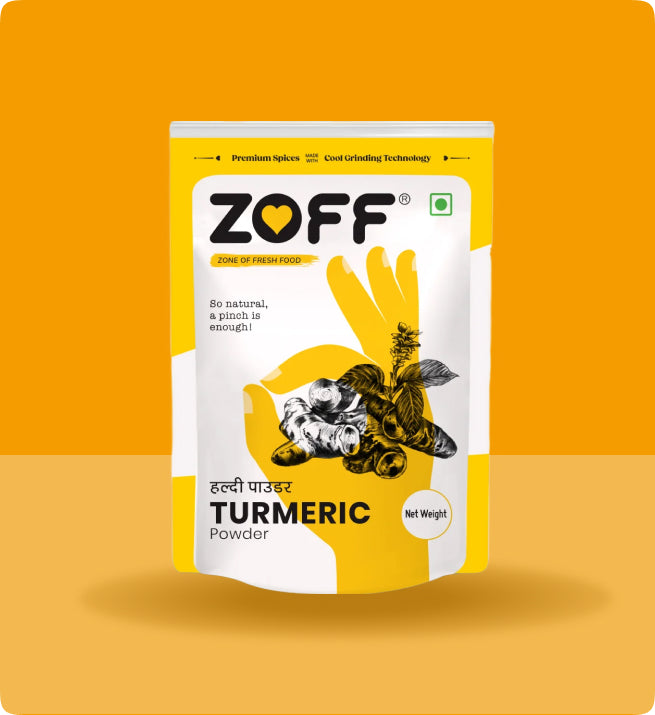
Turmeric Powder (Haldi): Essential Spice for Authentic Indian Cooking
 Sold out
Black Salt(Kala Namak)

Coriander/Dhaniya Powder
Red Chilli Powder/Lal Mirch Powder
 Sold out
Kashmiri Chilli Powder: Authentic & Flavourful
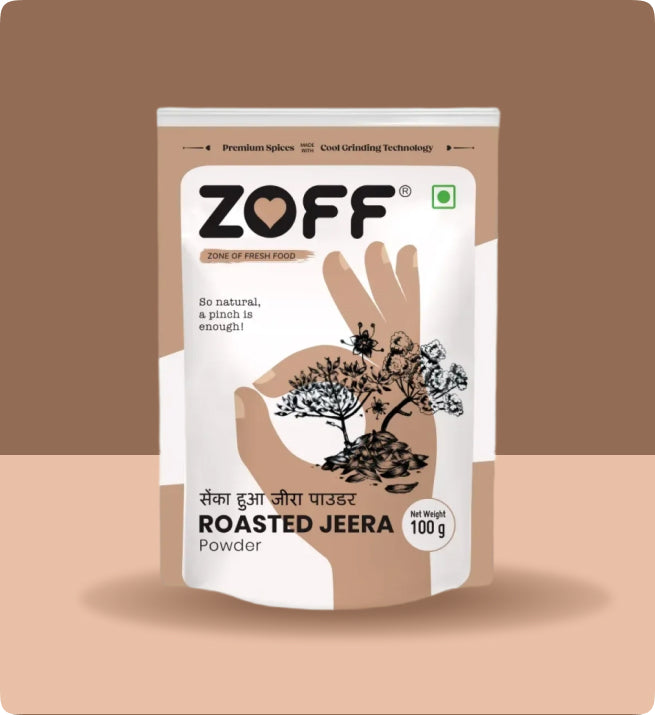
Roasted Cumin Powder (Bhuna Jeera): Spice for Rich Aroma & Flavour

Amchur Powder (Dry Mango): Tangy Spice for Indian Cooking