




Free delivery above ₹499 · Cool-ground in Raipur · Zip-lock packs, so nothing goes stale · As seen on Shark Tank India

Your bag (0)

A little empty. For now.

Your next great meal is one spice away. Go on, pick one.

Find your favourites

    4.6 · 174 reviews

    Eugenol-rich clove buds.

    Laung sourced from Tamil Nadu, Kerala and Karnataka's spice-growing regions, chosen for an intense, warm aroma. So your pulao gets noticed before it is served.

    ₹55 Incl. of all taxes

    Pack size

    Quantity

    1

    Free shipping above ₹499
    • 100% secure payments
    • COD available
    • Next day delivery
    Zip-lockTake a few, zip it shut
    Lab testedResults below, no fine print
    Just laungIngredient list: cloves
    Description

    Laung has a sweet, spicy warmth that needs very little introduction, or very many cloves. Let a couple bloom in oil for pulao and rich gravies, or simmer them into masala chai. Grind with your other spices for garam masala. A little goes a long way, especially when the pot is small.

    About its origins

    Kanniyakumari in Tamil Nadu is a recognised Indian clove origin. Laung is valued for the warm, unmistakable aroma it brings to rice, chai and slow-cooked gravies.

    Two is plenty. Laung talks loud.

    How to use
    1. Add a few cloves to oil or ghee with your other whole spices before building a curry base.
    2. Simmer whole cloves in rice or chai so the flavour spreads through the liquid.
    3. Use sparingly and remove whole cloves before serving when practical, or strain them out of drinks.

    Quick tip: Count the cloves as you add them to rice. It makes it easier to find and remove them before serving.

    Use it in

    • Pulao and biryani
    • Masala chai
    • Rajma and slow-cooked gravies
    • Homemade garam masala
    Ingredients & storage

    IngredientsCloves (Syzygium aromaticum).

    What it containsCloves are dried flower buds. Their aromatic oil contains eugenol, a key compound behind their strong, sweet-spice aroma. Total volatile oil and eugenol content are different measurements.

    StorageStore airtight in a cool, dry place. Keep the pack closed between uses and use a dry spoon.

    Lab reports

    Here are selected results from a sample tested by Newcon Consultants & Laboratories.

    Measured components

    Volatile oil
    18.46 g/100g, dry basisMeasures the aromatic oil in the cloves.

    Quality checks

    Extraneous matter
    NilNo extraneous material was recorded in the tested sample.

    Microbiological checks

    Salmonella
    Absent in 25 gSalmonella was not found in the 25 g portion tested.

    Dry basis means the result is calculated after excluding moisture.
    Results are shown in the laboratory’s original units and apply to the sample tested. This is a selection of results. The full report includes the complete test list and laboratory notes.

    Spices with nothing to hide

    You deserve to know what goes into your food. See what we tested and read the results for yourself.

    Questions about our lab results

    What does lab tested mean?
    The report names the product sample, the checks carried out and the result of each check. Different products need different tests, so the full report tells you exactly what was covered.
    What does below quantification limit mean?
    It means the amount was below the level the test could reliably measure as a number. It does not mean zero. The report gives the test’s limit.
    What does volatile oil tell me?
    Volatile oils contribute to a spice’s aroma. This test measures the oil content; it is one quality measure alongside the other checks in the report.
    Why is moisture checked?
    Moisture is the water present in the sample. Measuring it helps assess the product’s condition and suitability for storage. It is not a shelf-life guarantee.
    Are curcumin and curcuminoids the same?
    Curcuminoids are a group of compounds that includes curcumin and contributes to turmeric’s colour. A curcuminoid result should not be presented as a separate curcumin result.
    Taste test

    What does it actually taste like?

    Flavour

    Strong and sweet-spicy, with a distinctive laung flavour that can quickly stand out in food.

    Aroma

    An intense sweet spice aroma, especially when the cloves are crushed.

    Form

    Small, firm dried flower buds, used whole or ground into spice blends.

    Spice level

    Clove sharpness. Cloves bring a sharp spice warmth rather than chilli heat; use only a few to avoid overpowering the dish.

    Lab results

    We tested it.
    Here's the receipt.

    Here are selected results from a sample tested by Newcon Consultants & Laboratories.

    ZOFF Eugenol-rich clove buds.

    Volatile oil18.46 g/100g, dry basisMeasures the aromatic oil in the cloves.
    Extraneous matterNilNo extraneous material was recorded in the tested sample.
    SalmonellaAbsent in 25 gSalmonella was not found in the 25 g portion tested.

    Dry basis means the result is calculated after excluding moisture.
    Results are shown in the laboratory’s original units and apply to the sample tested. This is a selection of results. The full report includes the complete test list and laboratory notes.

    Pairs well with

    Good together in your kitchen

    Choose items to add together
    Total

    Freshness you can taste

    Purity you
    can check.

    Our purity and quality checks are backed by lab reports. Open the Lab reports tab on any product that has one to see what was tested and what came back.

    • Hand-sorted
    • Backed by lab reports
    • Cool-ground powders
    • Resealable zip-lock
    Zoff Veda

    Laung, a small moment of warmth.

    A single clove goes a long way. Let its familiar aroma turn a plain warm drink into a small pause.
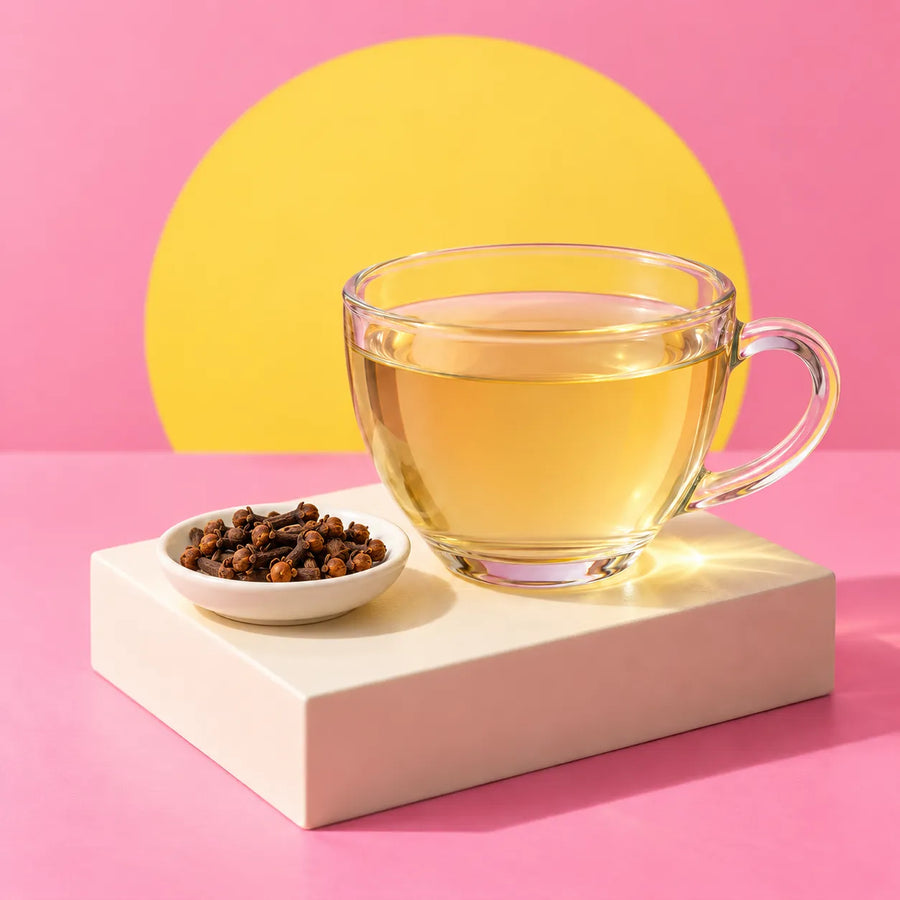
    Mild clove and cardamom infusion beside whole laung.
    Occasional comfort · 10 minHow to useThe clove-elaichi cup laung infusionA warm, caffeine-free alternative to another cup of chai.How to use01Simmer 1 clove and 1 cracked green elaichi pod in 500 ml water for 5 minutes. Rest, strain and share between two cups.
    Explore the ZOFF Veda range

    Use sparingly. Do not place clove paste or clove oil on gums, teeth or skin as a home treatment.

    Inspired by traditional food and care practices. Benefits of these home preparations are not clinically established. Use small food quantities; these are not treatments.

    From home kitchens

    What customers are saying

    Product FAQs

    A few things you may want to know

    Still have a question? Talk to us.
    Are laung and cloves the same spice?

    Yes. Laung is the familiar Indian name for cloves, the small dried spice buds used in rice dishes, curries and masala chai.

    How many cloves should I use?

    Start with a few for a small pot and follow your recipe. Cloves have a strong flavour that can dominate if overused.

    Should I remove cloves before serving?

    Remove whole cloves when practical, especially from rice or a simple gravy. Strain drinks thoroughly so no whole buds remain in the cup.

    Can I grind whole cloves at home?

    Yes. Grind a small amount on its own or with the other spices in your recipe. Let toasted spices cool fully before grinding.

    When do cloves go into biryani?

    They usually go in with the other whole spices near the start. Let them flavour the oil briefly before adding onions and other ingredients.

    How spicy is it?

    Cloves bring a sharp spice warmth rather than chilli heat; use only a few to avoid overpowering the dish.

    Inside ZOFF