Coriander powder dhania powder in most Indian kitchens is simply the dried seeds of the Coriandrum sativum plant, ground into a warm, golden-brown spice. It is one of those quiet workhorses: rarely the star, almost always present. That earthy, faintly citrusy base note in your chana masala or Sunday dal? That is dhania doing its job.
What Is Coriander Powder?
Unlike cilantro (the fresh green leaves), coriander powder comes from the seed, and the two taste nothing alike. Toast the seeds, grind them fresh, and you get a nuttier, rounder aroma than the sharp brightness of the leaf. This is exactly why so many Indian gravies lean on the powder for body rather than the herb. It shows up in almost every regional cuisine on the subcontinent, from Punjabi curries to South Indian sambar, which is why a jar of dhania powder sits in nearly every Indian pantry.
Coriander Powder Nutrition and Benefits
Coriander seeds punch above their weight nutritionally. Per 100g they carry roughly 298 calories, but you will rarely eat that much the real value is in the density. They deliver about 42g of dietary fibre (110% of the daily value) and 16.3mg of iron (204% DV) per 100g, along with meaningful copper, magnesium and manganese.
The bigger story is the plant compounds. Coriander is rich in antioxidants such as terpinene, quercetin and tocopherols, which lab and animal studies link to anti-inflammatory and cell-protective effects. There is also a long traditional and research-backed link to digestion coriander is often used to ease bloating and gas, and studies suggest its compounds can relax the digestive tract. Human evidence on the metabolic side is emerging too. In one randomised, double-blind trial of 40 people with type 2 diabetes, 1,000mg of coriander seed powder a day for six weeks improved blood-sugar markers, lipid profile and oxidative-stress readings versus a placebo. Most studies use around 2 grams daily roughly half a teaspoon to see the blood-sugar and cholesterol effects, which is an easy amount to cook with.
A caveat worth stating plainly: these are early, small studies. Coriander powder is a healthy everyday spice, not a medicine. If you are managing diabetes or taking cholesterol medication, speak to your doctor before treating it as a supplement.
What Goes Into Good Coriander Powder
Here is what most people miss: coriander powder is a single-ingredient product, which makes quality entirely about the seed and the mill. Good dhania powder starts with clean, plump, sortex-cleaned seeds ideally single-origin, so the flavour stays consistent batch to batch. The grind matters just as much. Too coarse and it feels gritty; over-milled at high heat and the essential oils burn off, leaving dusty, flat powder. The best spice makers grind slow and cool to lock in aroma.
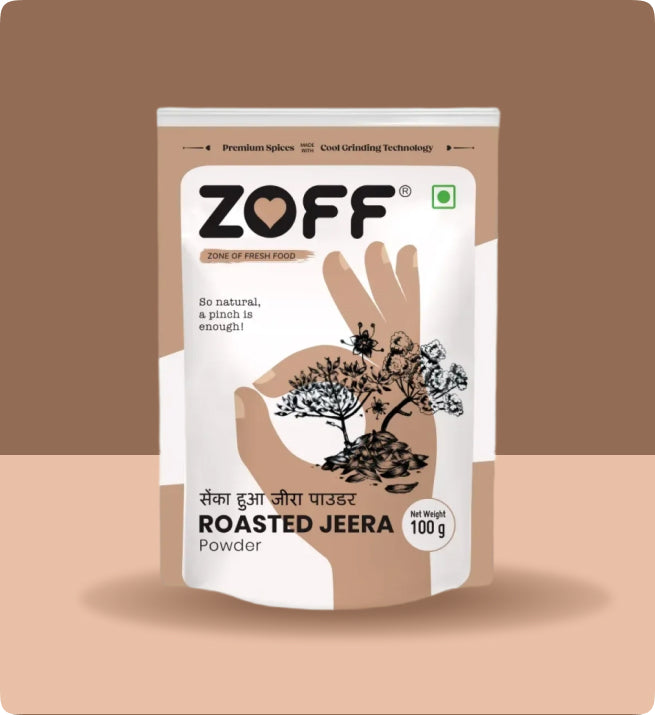
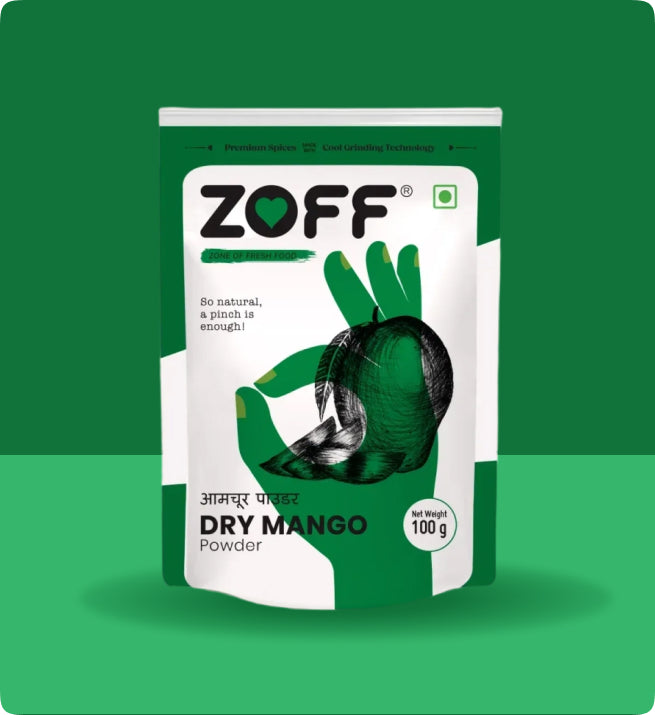
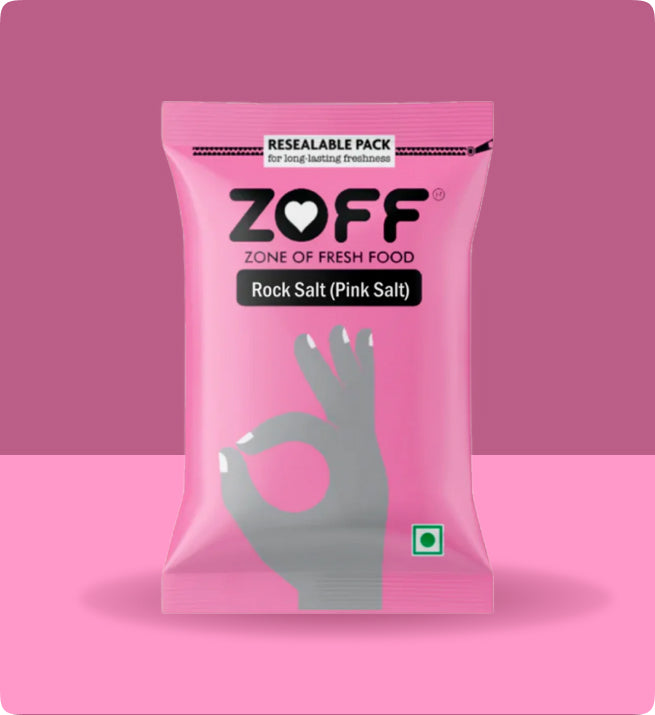
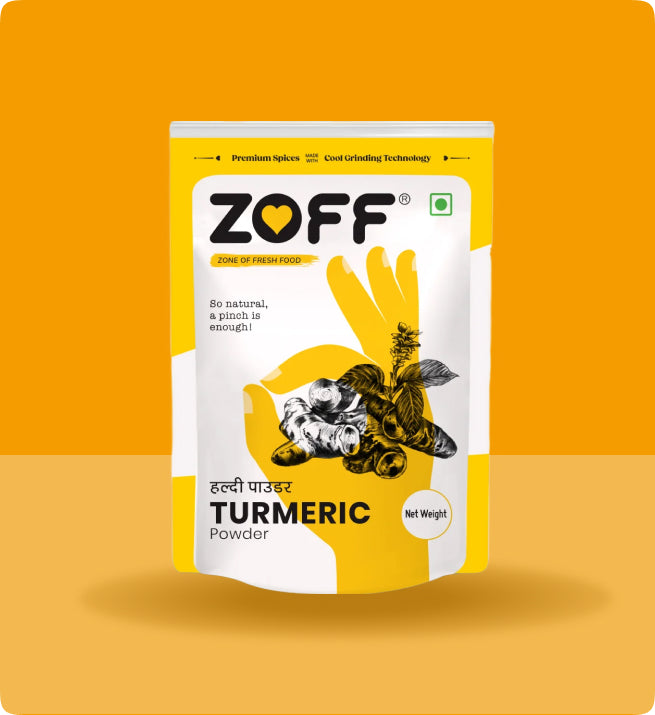
When you buy, check three things: colour (a living golden-brown, not grey), smell (it should hit you the moment you open the pack), and the label (just coriander no added starch, colour or spice-extract filler). A ZOFF pack of coriander powder, for example, is milled from cleaned whole seeds with nothing else in the bag.
How to Use Coriander Powder
Coriander powder is forgiving and near-universal. A simple framework keeps it working for you. First, build the base add it early, into hot oil with onions, ginger and garlic, so it blooms and loses any raw edge. This is the standard move for sabzis and gravies. Second, balance the blend pair it with cumin (jeera) in a rough 2:1 dhania-to-jeera ratio, the classic backbone of North Indian cooking. Third, finish and adjust stir a pinch into dals, raitas or marinades at the end for a fresh lift.
Some real examples: it is the bulk spice in garam masala and sambar powder, the thickener-and-flavour in Punjabi chole, the earthy note in tikka marinades, and a gentle warmth in everyday vegetable curries. One teaspoon per serving of curry is a sensible starting point. Beyond Indian cooking, it also works rubbed onto roast vegetables or stirred into lentil soups.
Tips and Serving Suggestions
A few small habits separate good cooking from great. Bloom, do not dump frying the powder briefly in oil transforms it, while raw dhania stirred into a finished dish tastes flat by comparison. Toast for depth for special occasions, dry-roast the powder for thirty seconds before adding to deepen the aroma. Store it right keep it airtight, away from heat and light, and remember that ground spice loses punch within six to eight months, so buy sizes you will actually finish. And to rescue a bland curry, simmer in a spoon of coriander powder for a couple of minutes; it adds body and rounds out the salt and chilli.
Coriander powder will never be the headline of a dish. But leave it out, and you notice the hole immediately the food tastes sharp, unfinished, missing its warm middle. That is the mark of a true kitchen staple: invisible when it is there, sorely missed when it is not. Whether you are simmering a weeknight dal or building a festival feast, a good dhania powder is the difference between food that is fine and food that tastes finished.
Explore Other Blogs
Makhana Benefits|Haldi Milk Benefits|Star Anise Benefits|Chaat Masala Benefits|Cinnamon Benefits
Disclaimer: The information in this blog is for general informational purposes gathered from various sources. Zoff Foods does not guarantee specific health or nutritional outcomes. Please consult a qualified health professional for personalised dietary advice.
Z
ABOUT THE AUTHOR
ZOFF Foods
ZOFF Foods is built on the belief that great taste starts with great ingredients. With cool grinding technology and a focus on freshness, ZOFF brings authentic Indian flavours to every kitchen.
Cool-groundFresh spicesIndian flavours


 Sold out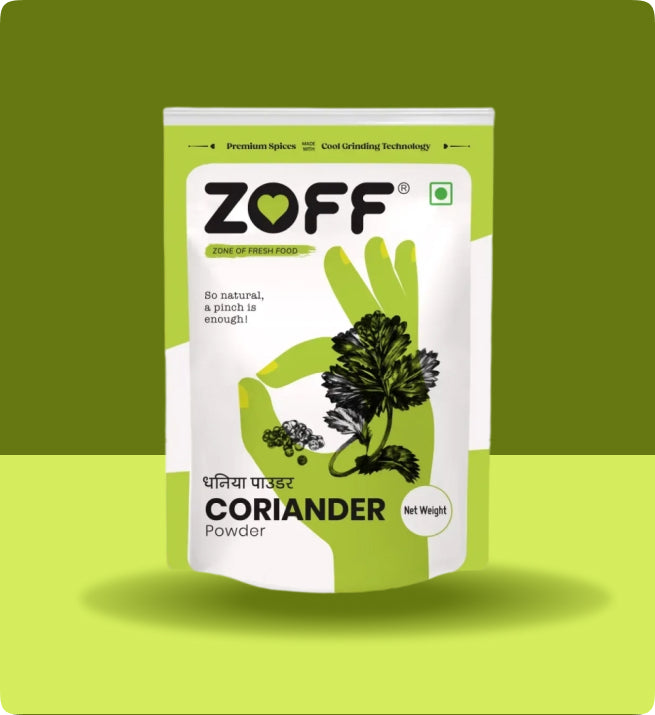
 Sold out