Sawan Fasting Food Guide: What to Eat During Shravan Vrat
Share
The month of Sawan (Shravan) arrives with the first proper rains, the smell of wet earth, and a quiet change in millions of Indian kitchens. For devotees of Lord Shiva, this is the holiest month of the year and for many, it means fasting through the Sawan Somwar (Mondays) or even the entire month.
But here's the thing nobody really tells you the first time you keep a vrat: fasting doesn't have to mean an empty stomach or sad, flavourless food. Done well, Sawan fasting food can be light, satisfying, and genuinely good to eat the kind of meal you'd happily make even on a non-fasting day. This guide walks you through exactly what to eat during Sawan vrat, what to leave out, and a few easy recipes to keep you going through the month.
A quick note on Sawan vrat rules
Sawan fasting is built on sattvik eating simple, pure food that keeps the body light and the mind calm. The basic idea is to step away from regular grains, table salt, and "tamasic" ingredients like onion and garlic.
There's a practical side to it too. Sawan falls in the heart of the monsoon, when, according to Ayurveda, our digestive fire (agni) tends to be a little weaker. A lighter, sattvik diet simply sits easier on the stomach during these humid weeks so the tradition and the science quietly agree.
Most people who fast switch to sendha namak (rock salt) instead of iodised salt, skip all wheat-rice-dal cooking, and lean on fruits, dairy, and a small set of special vrat ingredients. Some keep a strict nirjala (waterless) fast on Mondays; others eat one sattvik meal in the evening. Whatever your style, the food rules stay broadly the same.
Foods you can eat during Sawan Vrat
Think of your vrat pantry as a small, special collection of ingredients:
Vrat flours: kuttu (buckwheat), singhara (water chestnut), and rajgira (amaranth). These stand in for wheat in your puris and parathas.
Sabudana (tapioca pearls): the hero of every fasting kitchen, perfect for khichdi, vada, and kheer.
Samak rice (barnyard millet / mordhan): a rice substitute for pulao and kheer.
Vrat-friendly vegetables: potato, sweet potato, arbi (colocasia), bottle gourd, pumpkin, and raw banana.
Dairy: milk, curd, paneer, and ghee are all welcome and keep you full.
Makhana, dry fruits, and peanuts: for snacking and a steady boost of energy.
Fruits: bananas, apples, papaya, and whatever is in season.
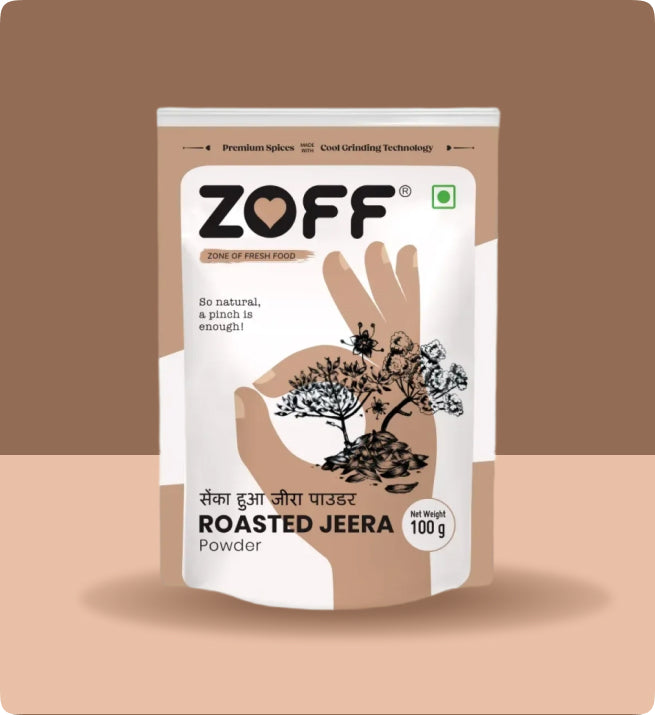
When it comes to spices, keep it minimal and pure. Cumin (jeera), black pepper, green cardamom, cinnamon, and cloves are all vrat friendly, along with fresh ginger and green chilli. A pinch of good-quality whole spice can turn plain boiled aloo into something you actually look forward to.
What to avoid
The list is short and easy to remember: no wheat, rice, or lentils; no besan; no regular salt; no onion or garlic; and no turmeric, mustard, hing, or garam masala. Packaged chips and deep-fried namkeen are best set aside too they quietly defeat the purpose of a clean, light fast.
Easy Sawan vrat recipes to try
You don't need to be a great cook to eat well during Sawan. A few reliable favourites:
Sabudana khichdi: soaked sabudana tossed with peanuts, potato, cumin, and green chilli. Quick, filling, and a true vrat classic.
Kuttu ki puri with aloo: crisp buckwheat puris with a simple jeera-spiced potato curry.
Samak rice pulao: barnyard millet cooked with vegetables and a few mild whole spices.
Makhana kheer: roasted fox nuts simmered in milk with cardamom and dry fruits. Dessert that loves you right back.
Vrat ke pakode: singhara-flour fritters, lightly spiced, made for a rainy evening.
Aloo jeera: boiled potatoes tempered with cumin and sendha namak, ready in minutes.
Tips for fasting the healthy way
Fasting is meant to feel good, not leave you drained. Drink plenty of water and fluids through the day, especially in humid monsoon weather. Don't break your fast with a mountain of fried food start with fruit or a glass of milk instead. Keep makhana and dry fruits handy for that mid-afternoon dip in energy. A handful of soaked almonds in the morning goes a long way on a long fasting day. And listen to your body; the goal here is devotion and balance, not exhaustion.
Stock your vrat kitchen the right way
Good fasting food starts with good ingredients. Pure, single-origin whole spices like cumin, black pepper, and cardamom along with premium makhana and dry fruits from ZOFF make it easy to cook clean, flavourful vrat meals all month long.
This Sawan, fast with devotion and eat with joy. That's the ZOFF Life-Live Fully.
Disclaimer: The information in this blog is for general informational purposes gathered from various sources. Zoff Foods does not guarantee specific health or nutritional outcomes. Please consult a qualified health professional for personalised dietary advice.
Frequently Asked Questions
1. What can I eat during Sawan vrat?
During Sawan vrat you can eat sattvik foods such as fruits, milk, curd, paneer, makhana, peanuts, and dry fruits, along with vrat flours like kuttu, singhara, and rajgira. Sabudana, samak rice, potatoes, sweet potato, and bottle gourd are also allowed, cooked with sendha namak and mild whole spices.
2. Which spices are allowed during Shravan fasting?
Cumin (jeera), black pepper, green cardamom, cinnamon, and cloves are allowed during Shravan fasting, along with fresh ginger and green chilli. Spices like turmeric, mustard, hing (asafoetida), and garam masala are usually avoided.
3. Can we eat sabudana during a Sawan fast?
Yes, sabudana (tapioca pearls) is one of the most popular foods eaten during a Sawan fast. It is commonly made into sabudana khichdi, sabudana vada, or sabudana kheer using sendha namak and vrat-friendly ingredients.
4. Is sendha namak allowed during Sawan vrat?
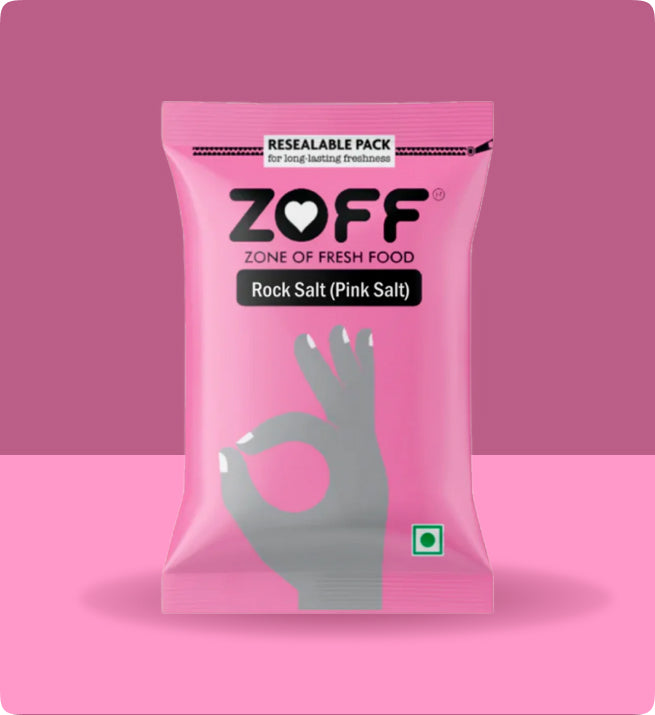
Yes, sendha namak (rock salt) is the only salt traditionally allowed during Sawan vrat. Regular iodised or table salt is avoided, so all fasting dishes are seasoned with sendha namak instead.
5. What foods should be avoided during Sawan?
During Sawan, avoid wheat, rice, lentils (dal), besan, and regular salt, as well as onion and garlic. Turmeric, mustard, hing, garam masala, packaged snacks, and non-vegetarian food are also avoided during the fasting period.
6. When does Sawan 2026 begin?
In 2026, Sawan begins on 30 July in North India (Purnimanta calendar) and ends on 28 August with Shravan Purnima. In Maharashtra, Gujarat, and South India (Amanta calendar), Sawan starts later, around 13 August 2026.
Z
ABOUT THE AUTHOR
ZOFF Foods
ZOFF Foods is built on the belief that great taste starts with great ingredients. With cool grinding technology and a focus on freshness, ZOFF brings authentic Indian flavours to every kitchen.


 Sold out
 Sold out