










Red Mustard (Lal Sarso Whole)
₹25
Free delivery above ₹499 · Cool-ground in Raipur · Zip-lock packs, so nothing goes stale · As seen on Shark Tank India


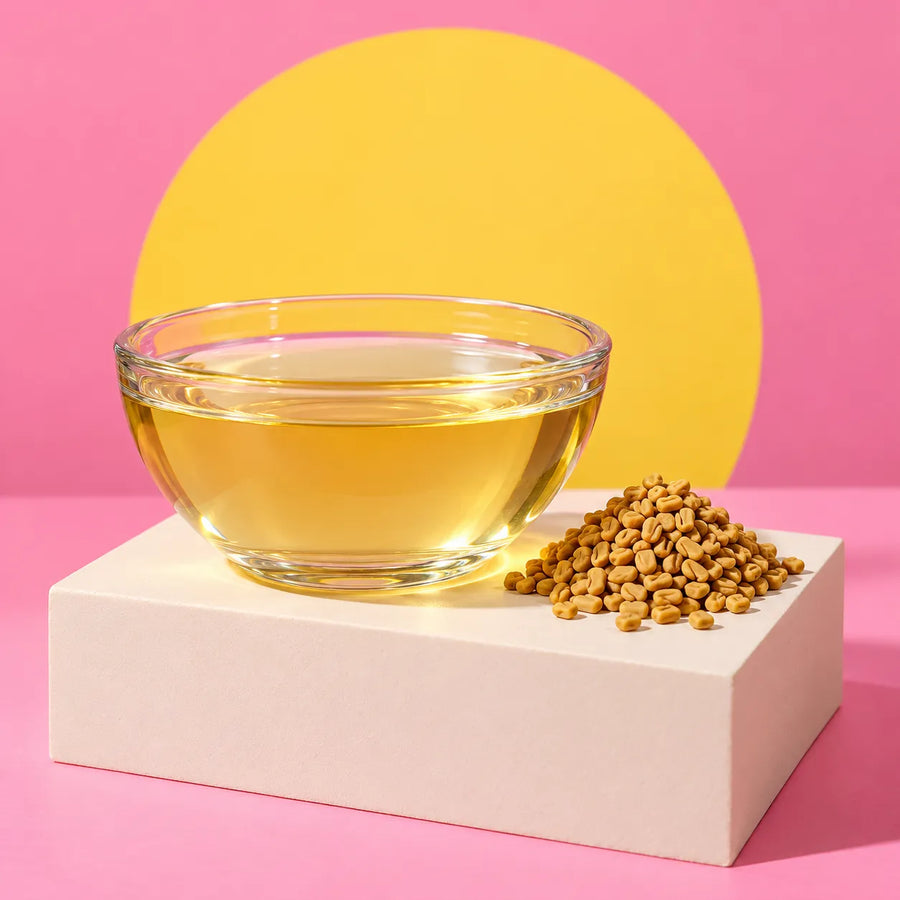
Methi dana from Rajasthan and Madhya Pradesh's seed-spice regions, chosen for its bittersweet character. So your pickle stays interesting beyond the first bite.
Pack size
Quantity
Check delivery to your area
Methi dana brings the bittersweet depth that makes a pickle taste complete. A small pinch works into sambar, kadhi and spice blends too. Warm the seeds gently in oil and let their aroma open up; too much can take over the pot. This is one spice that rewards a light hand.
About its origins
Methi dana is grown widely across Rajasthan, Gujarat and Madhya Pradesh. Its pleasantly bitter character is especially useful in pickles, tadkas and spice blends.
A pinch, not a handful. Trust us.
Distinctly bitter and savoury, giving pickles, kadhi and sambar the familiar flavour of methi dana.
A strong methi aroma that develops as the seeds warm in oil.
Small, firm whole seeds that can be tempered, soaked or ground.
No chilli heat. Fenugreek adds bitterness rather than chilli heat; a small pinch helps keep that bitter note in balance.
Our purity and quality checks are backed by lab reports. Open the Lab reports tab on any product that has one to see what was tested and what came back.
One pack lasts days
Use this as a guide. The amount you need depends on your recipe and taste.
A seed with a place in traditional food and hair-care routines. Keep the food portions small and the hair-care expectations realistic.
Methi can cause allergy. Patch-test before external use and avoid irritated skin. Do not use concentrated methi remedies in pregnancy or alongside diabetes medicines without clinical advice.
Inspired by traditional food and care practices. Benefits of these home preparations are not clinically established. Use small food quantities; these are not treatments.
No. Methi dana is the seed, while kasoori methi is dried fenugreek leaf. They give different textures and are used differently in recipes.
A slightly bitter taste is part of their flavour. Use a small amount and avoid over-browning, which can make the bitterness more pronounced.
That depends on the recipe. Tadkas use the seeds directly in oil, while some batters or other preparations call for soaking first.
Yes. Toast gently if your recipe calls for it, then cool and grind. Keep to the recipe’s quantity so the flavour stays balanced.
Start that tempering again rather than adding it to the food. Dark, burnt fenugreek can leave a strong bitter taste in the dish.
Fenugreek adds bitterness rather than chilli heat; a small pinch helps keep that bitter note in balance.


