Kadai Paneer Recipe: How to Make Restaurant-Style Kadai Paneer at Home
Share
If you've ever ordered kadai paneer at a restaurant and then tried recreating it at home only to end up with a soggy, one-note curry, you're not alone. The gap almost always comes down to one thing: the masala. Restaurant kitchens dry-roast and freshly grind their own kadai masala for every batch, while most home versions lean on store-bought garam masala and hope for the best. Once you fix that one step, everything else falls into place.
What Is Kadai Paneer?
Kadai paneer is a North Indian dish named after the kadai (or karahi), the thick-bottomed wok it's traditionally cooked in. Soft paneer cubes are tossed with onions, tomatoes, and capsicum in a coarsely ground blend of coriander seeds and dried red chilies, finished with kasuri methi (dried fenugreek) for that unmistakable restaurant aroma. The dish is believed to have been popularized through Punjabi and Mughlai-influenced restaurant kitchens, and food writer Jiggs Kalra's Prashad: Cooking with Indian Masters is often cited as one of the earliest documented versions of the modern recipe. Unlike paneer butter masala, kadai paneer is semi-dry, tangier, and built around freshly cracked spices rather than cream.
What actually separates a good kadai paneer from a great one is texture, not heat. The masala should be coarse enough that you can see flecks of coriander and chili in the final dish, and the capsicum should still have a slight bite. If your version tastes flat, it's rarely the chili count that's off; it's usually the masala being too finely ground or added too early.
Kadai Paneer Nutrition
A 100g serving of kadai paneer typically runs around 130-320 calories depending on how much oil and cream is used, with roughly 4.5-10g of protein and 9-27g of fat per serving. Paneer itself is a solid protein source, contributing close to 18g of protein per 100g, which is why this dish works well for vegetarians looking to hit protein goals without meat. Because the dish carries a medium glycemic load from onions and tomatoes, pairing it with a fiber-rich roti or a side salad helps balance the meal rather than eating it with white rice alone.
Ingredients You'll Need
Prep Time: 15 Minutes Cook Time: 25 Minutes
For the Kadai Masala:
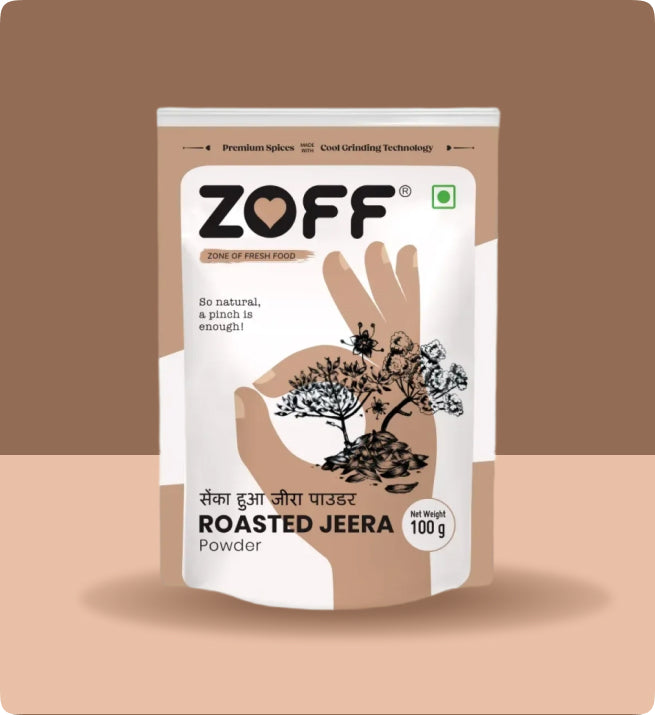
- 1.5 tablespoons coriander seeds, - 5-6 Kashmiri dried red chilies (seeds removed for less heat), and - a few black peppercorns.
Make the kadai masala: Dry roast coriander seeds and Kashmiri red chilies on low heat for 2 minutes until fragrant. Cool and grind coarsely, not to a fine powder. This texture is what gives kadai paneer its signature bite.
Build the base: Heat oil, sauté onions until translucent, then add ginger-garlic paste and green chilies.
Cook the tomatoes down: Add chopped tomatoes and cook until the mixture turns paste-like and starts releasing oil at the edges. This is the single biggest marker restaurant chefs use to know the base is ready.
Add the masala and capsicum: Stir in the freshly ground kadai masala along with diced capsicum, cooking for another 2-3 minutes so the capsicum stays slightly crunchy.
Finish with paneer: Fold in the paneer cubes gently, crush kasuri methi between your palms and sprinkle it in, then simmer for 3-4 minutes on low heat so the paneer doesn't turn rubbery.
Garnish and serve: with fresh coriander.
Tips for Restaurant-Style Results
Grind the kadai masala fresh each time rather than substituting garam masala; the coarse texture is non-negotiable for authentic flavour. Don't skip the "oil separates from the paste" stage with the tomato base, since undercooking it here is the most common reason home versions taste raw or sour. Add paneer last and keep the flame low; overcooked paneer turns chewy within minutes. If you're using frozen paneer, soak the cubes in warm water for 10 minutes before adding them so they soften back up. And resist the urge to add water to loosen the gravy; a splash of extra oil does a better job of carrying the spice flavour without diluting it.
A simple framework to remember: roast, crush, cook down, finish. Roast the whole spices, crush (don't powder) them, cook the tomato base until it splits from the oil, then finish with paneer and kasuri methi off the heat. Follow that order and the dish is nearly impossible to get wrong.
Serving Suggestions
Kadai paneer pairs best with butter naan, tandoori roti, or jeera rice. For a lighter meal, serve it alongside a cucumber-onion salad and a small bowl of dal. It also works well as a filling for wraps the next day, since the semi-dry gravy holds together without making the bread soggy.
Popular Variations
Spicy kadai paneer simply increases the ratio of dried red chilies and adds slit green chilies at the finishing stage. Kadai paneer masala with gravy uses extra tomato puree and a splash of cream for a saucier version that works better with rice. An easy kadai paneer recipe for weeknights skips the fresh grinding step and uses store-bought kadai masala powder instead, cutting prep time by roughly 10 minutes without a major flavour trade-off. Some versions also add mushrooms or baby corn alongside the paneer for extra texture.
Disclaimer: The information in this blog is for general informational purposes gathered from various sources. Zoff Foods does not guarantee specific health or nutritional outcomes. Please consult a qualified health professional for personalised dietary advice.
Frequently Asked Questions
1. What makes kadai paneer different from paneer butter masala?
Kadai paneer is semi-dry and built on a coarsely ground coriander-chili masala, while paneer butter masala is a smooth, creamy tomato gravy. Kadai paneer is tangier and spicier; paneer butter masala is milder and sweeter.
2. What is kadai masala made of?
Traditional kadai masala is made from dry-roasted coriander seeds and Kashmiri dried red chilies, ground coarsely rather than into a fine powder, which is what gives the dish its distinct crunch and aroma.
3. Is kadai paneer healthy?
A 100g serving has roughly 130-320 calories and 4.5-10g protein, depending on the oil and cream used. It's a reasonable source of vegetarian protein, and using less oil and skipping cream makes it a lighter, more balanced option.
4. Can I make kadai paneer without a kadai (wok)?
Yes. A regular heavy-bottomed pan or skillet works fine. The kadai just helps with even heat distribution, but the recipe and technique remain the same.
5. How do I keep the paneer soft?
Add paneer at the very end of cooking, keep the flame low, and simmer for only 3-4 minutes. Soaking frozen paneer in warm water beforehand also helps restore its softness.
Z
ABOUT THE AUTHOR
ZOFF Foods
ZOFF Foods is built on the belief that great taste starts with great ingredients. With cool grinding technology and a focus on freshness, ZOFF brings authentic Indian flavours to every kitchen.


 Sold out
 Sold out