A large part of Indian cooking has never used onion or garlic. Jain households avoid them entirely. Many Brahmin families in South and West India cook without them as a matter of tradition, not restriction. During Navratri, Ekadashi, and other fasting periods, millions of kitchens across the country leave both out for days or weeks at a time. And then there are people who simply do not like garlic, or whose digestion does not agree with raw onion, and they have been quietly cooking excellent food without either ingredient for years.
The assumption that Indian food needs onion and garlic to taste good is mostly a North Indian, Mughlai-influenced idea. Entire regional cuisines- Gujarati, parts of Rajasthani, and large stretches of South Indian temple cooking- have never relied on them. What these kitchens use instead is hing (asafoetida), green chillies, ginger, tomatoes, tamarind, coconut, curry leaves, and mustard seeds. The flavour base is different, not lesser.
Here are 20 no-onion garlic recipes, grouped by when you would actually cook them.
Breakfast
Poha: Flattened rice rinsed and tossed in a tempering of mustard seeds, turmeric, curry leaves, green chillies, and peanuts. Ready in under 15 minutes. The lemon juice at the end is what makes it.
Rava Upma: Dry-roasted semolina cooked with a tempering of mustard seeds, urad dal, curry leaves, and whatever vegetables are in the fridge. Carrots and peas are standard. A pinch of hing in the oil replaces the garlic note that some recipes call for.
Besan Chilla: Chickpea flour batter seasoned with cumin, turmeric, green chillies, and fresh coriander, poured thin onto a hot tawa. Essentially a savoury pancake. Add chopped tomatoes and capsicum to the batter for more substance.
Idli: Steamed rice and urad dal cakes that contain no spice at all. The flavour comes entirely from the accompaniments: coconut chutney, sambhar, or gun powder (podi mixed with sesame oil). Fermentation handles the complexity.
Snacks
Sabudana Vada: Soaked sago pearls mixed with boiled potatoes, crushed peanuts, and green chillies, shaped into patties and fried. A Navratri staple in Maharashtra, but good enough to eat year-round.
Dhokla: Fermented chickpea flour batter steamed and then tempered with mustard seeds, curry leaves, and a splash of lemon juice. Spongy, tangy, and Gujarati kitchens make this without onion or garlic by default.
Makhana (Roasted Fox Nuts): Dry-roasted in a little ghee with salt, black pepper, and a pinch of chaat masala. Takes five minutes. The closest thing Indian cooking has to popcorn.
Masala Papad: Roasted or fried papad topped with chopped tomatoes, fresh coriander, green chillies, and a squeeze of lemon. Not technically cooking, but it works when you need something crunchy before dinner.
Main Meals
Dal Tadka: Yellow moong or masoor dal pressure-cooked until soft, then finished with a tempering of cumin seeds, dried red chillies, hing, and turmeric. The hing does the heavy lifting here; it gives the dal a savoury depth that is hard to pin down but immediately noticeable when it is missing. This is probably the single most-cooked no-onion, no-garlic recipe in Indian homes.
Gujarati Kadhi: A yogurt-based soup thickened with besan, sweetened slightly with jaggery, and tempered with mustard seeds, curry leaves, and dried red chillies. The sweet-sour balance is specific to Gujarat, and the recipe has never included onion or garlic in its traditional form. Serve it over plain rice.
Jeera Aloo: Boiled potatoes tossed in a cumin-heavy tempering with turmeric, salt, and green chillies. Dry, quick, and the kind of thing that goes with any dal and roti combination. The cumin should be toasted until dark but not burnt.
Palak Paneer (Without Onion): Blanched spinach pureed and cooked with paneer cubes, tomatoes, ginger, green chillies, and garam masala. A teaspoon of hing in the oil at the start replaces the onion-garlic base. The tomatoes provide the acidity, and the ginger handles the sharpness.
Kaddu ki Sabzi: Pumpkin cooked with cumin, turmeric, and a little jaggery. Some versions add fenugreek seeds for bitterness. Common in UP, Rajasthan, and Bihar, where it is frequently made during fasting periods. The sweetness of the pumpkin against the earthy spices makes it work.
Aloo Gobi: Potatoes and cauliflower dry-cooked with turmeric, cumin, coriander powder, and green chillies. The no-onion version relies on tomatoes for moisture and hing for the background savoury note. Arguably tastes cleaner than the onion-heavy version.
Chole (Without Onion): Chickpeas cooked in a tomato-based gravy with chole masala, ginger, and green chillies. The tomatoes need to cook down properly to get a thick, dark gravy. Amchur or dried pomegranate seeds (anardana) add the sourness. This version is common in Jain food recipes across North India.
Rice Dishes
Lemon Rice: Cooked rice tossed with a tempering of mustard seeds, peanuts, curry leaves, turmeric, dried red chillies, and lemon juice. A South Indian lunch staple that works as a one-pot meal with papad alongside.
Ven Pongal: A Tamil Nadu comfort dish made from rice and moong dal cooked together until soft, then finished with a generous tempering of black pepper, cumin, ginger, curry leaves, and cashews fried in ghee. Rich, peppery, and filling.
Vegetable Pulao: Basmati rice cooked with peas, carrots, and whole spices (cloves, cardamom, cinnamon, bay leaf) in a single pot. The whole spices do enough; no onion or garlic is needed, and the rice stays clean-tasting.
Fasting Specials
Sabudana Khichdi: Soaked sago pearls stir-fried with peanuts, boiled potatoes, green chillies, and cumin. The standard Navratri breakfast across Maharashtra, Gujarat, and MP. The trick is soaking the sago overnight so the pearls stay separate and do not clump into a starchy mass.
Fruit Chaat: Seasonal fruits tossed with black salt, roasted cumin powder, and a squeeze of lemon. Some people add chaat masala. Simple, requires no cooking, and works during any fast.
What to Use Instead of Onion and Garlic
The biggest adjustment when cooking without onion and garlic is replacing the savoury base they provide. Hing is the most direct substitute: a tiny pinch (less than a quarter teaspoon) in hot oil gives a pungent, almost garlicky depth. Ginger handles the sharpness. Tomatoes provide body and acidity. Coconut (fresh or dried) adds richness in South Indian dishes. Curry leaves and mustard seeds bring their own aroma that neither onion nor garlic can replicate.
A well-stocked spice shelf matters more in no-onion and no-garlic food than in cooking that leans on alliums for half its flavour. When the base is simpler, each spice has to carry more weight, and stale masala blends do not cut it.
Stock Up With ZOFF Spices
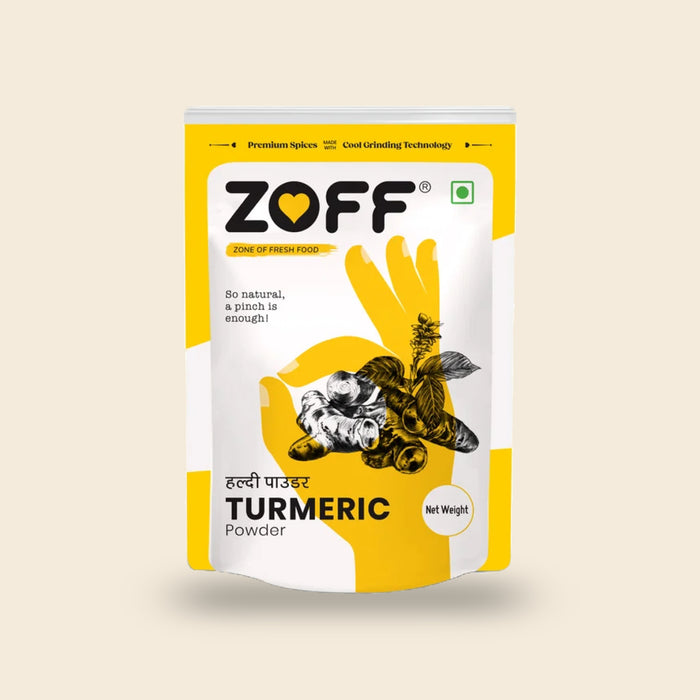
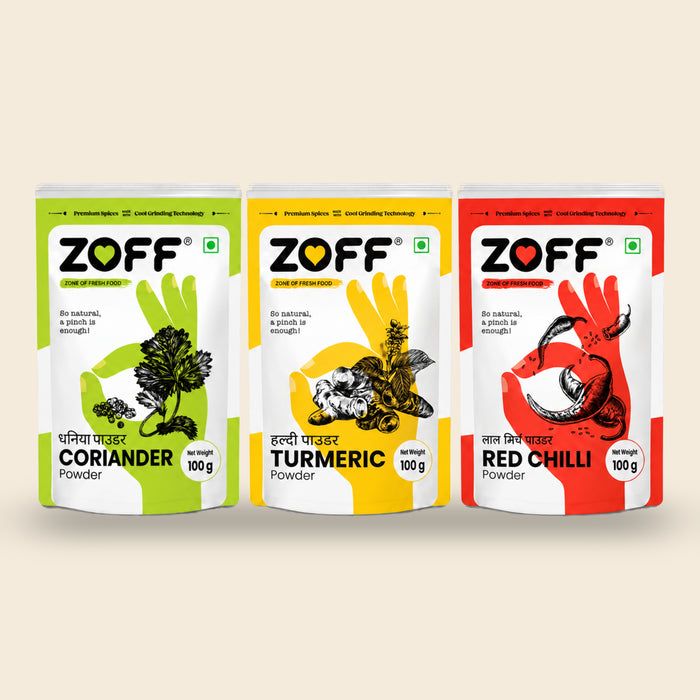
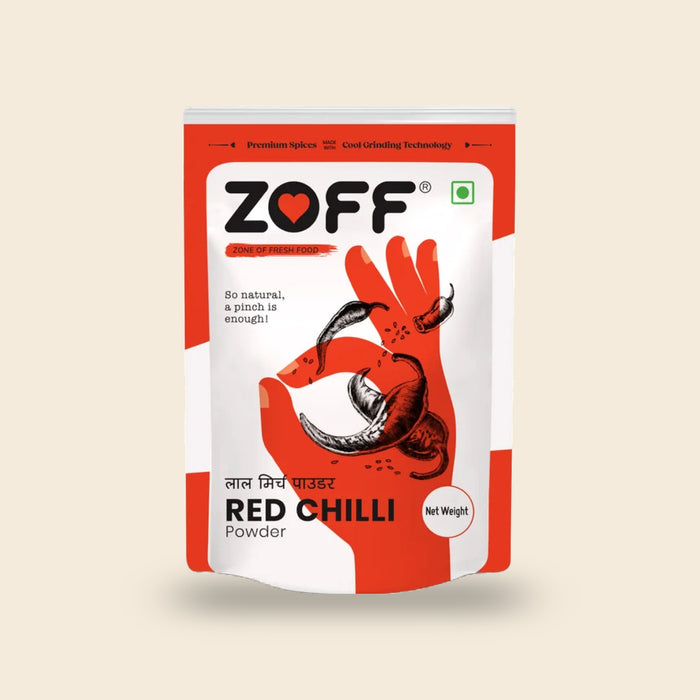
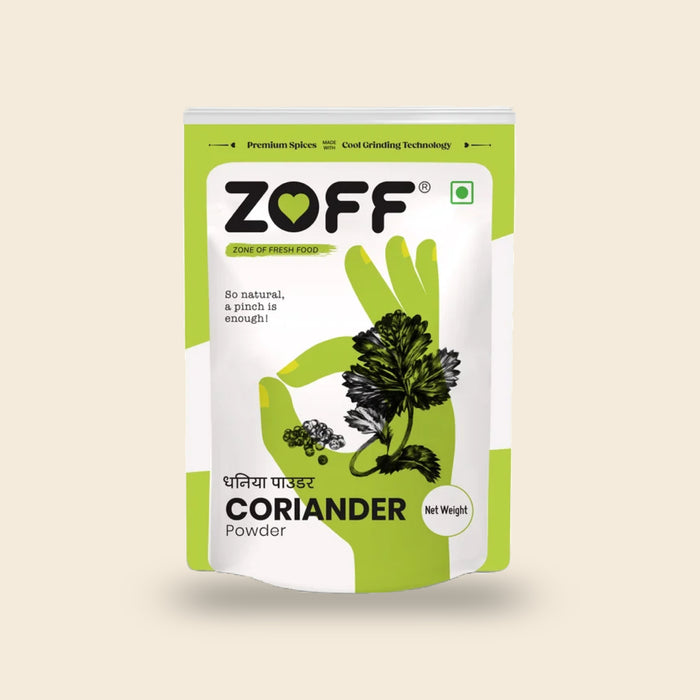
Recipes without onion and garlic depend on spices doing the work that alliums normally handle. Stale hing that has lost its punch, or a sabji masala with no aroma left, makes a noticeable difference in dishes where there is nothing else to hide behind. ZOFF (Zone of Fresh Foods) grinds its blended and powdered spices using cool grinding technology below 60°C, keeping the volatile oils intact. Browse the full blended spices collection and the complete range on the ZOFF website to restock before your next cooking session.
Explore Other Blogs
Burger Recipes|Zingy Parcel|Bhelpuri|Makhana Chaat|Dabeli
Disclaimer:The information in this blog is for general informational purposes gathered from various sources. Zoff Foods does not guarantee specific health or nutritional outcomes. Please consult a qualified health professional for personalised dietary advice.


 Sold out
 Sold out