Ask anyone from Kolhapur or Satara what they'd cook on a day when the vegetable basket is empty, and the answer comes back in one word: pithla. Gram flour, water, and a fistful of spices. That's it. And yet two people using the same besan can end up with two completely different bowls one flat and pasty, the other fragrant enough to pull the whole house into the kitchen.
The difference is almost never the flour. It's the spices, and the order you add them in.
What Is Pithla?
Pithla is a Maharashtrian gram flour curry, cooked by whisking besan into a spiced tempering until it thickens. It ranges from patal pithla (thin, sippable, eaten with rice) to a thick, spoonable version scooped up with bhakri.
It is working-class food with genuine cultural weight. In 1995, the Maharashtra government rolled out subsidised Zunka Bhakar Kendras across the state canteens built around this exact dish which tells you how central pithla-bhakri is to everyday Marathi eating.
Pithla vs zunka: same family, different texture. Zunka is dry and crumbly, almost like a thick scramble. Pithla is a curry. Same spice logic, different water ratio.
The 3-3-3 Pithla Spice Rule
Most failed pithla comes from dumping everything in together. Authentic pithla spices work in three stages:
3 tempering spices (in hot oil):mustard seeds, cumin seeds, hing. The hing is non-negotiable it's what gives pithla its savoury depth without any onion doing the heavy lifting.
3 aromatics (next): crushed garlic, slit green chillies, curry leaves. Crushed garlic, not chopped you want the oils, not neat pieces.
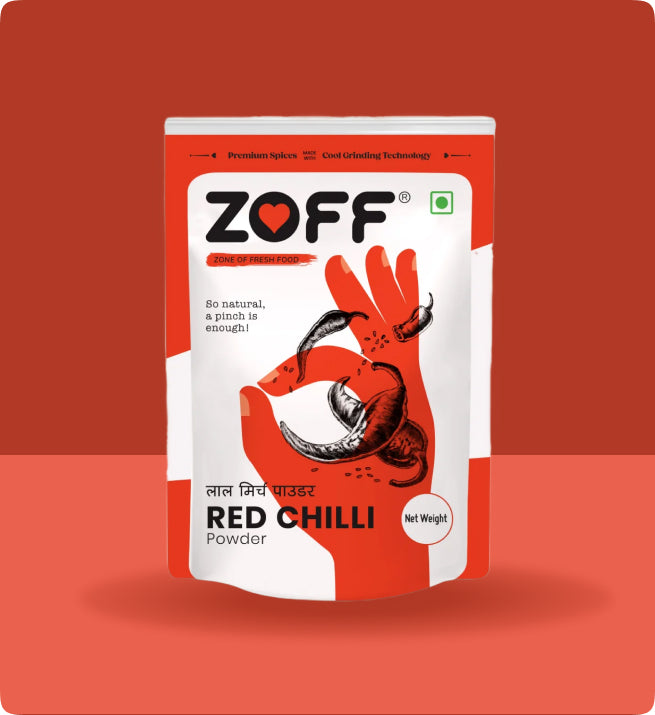
Freshness matters more here than in a heavily layered gravy. With only six or seven spices on the ingredient list, a dull chilli powder has nowhere to hide which is why single-origin, cold-ground spices like ZOFF's make a visible difference in a dish this bare.
Ingredients
Serves 3 | Prep 5 min | Cook 15 min | Total 20 min
Ingredient
Quantity
Besan (gram flour)
1 cup (120 g)
Water
3 cups (thick) / 4 cups (patal)
Oil
2 tbsp
Mustard seeds
1 tsp
Cumin seeds
1 tsp
Hing (asafoetida)
¼ tsp
Garlic, crushed
6–7 cloves
Green chillies, slit
2–3
Curry leaves
8–10
Onion, finely chopped
1 medium (optional)
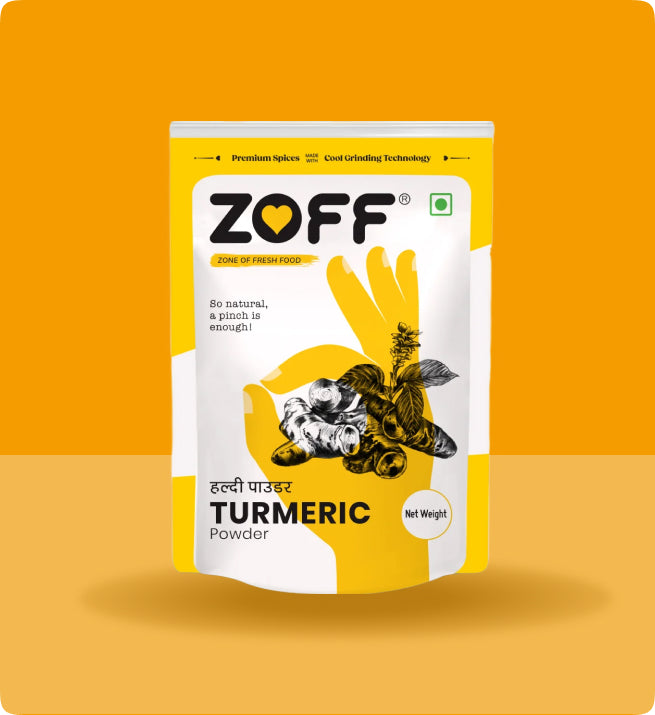
Turmeric Powder
½ tsp
Red Chilli Powder
1 tsp
Coriander Powder
1 tsp
Salt
To taste
Fresh coriander
2 tbsp
Nutrition (Approximate, Per Serving)
Nutrient
Per serving (~200 g)
Energy
230–260 kcal
Protein
9–11 g
Fibre
4–5 g
Carbohydrates
22–26 g
Besan carries roughly 22 g of protein per 100 g and is naturally gluten-free, which is why pithla-bhakri held up as a full working meal long before anyone called it high-protein.
How to Make Pithla
Make the slurry first: Whisk besan into 3 cups of room-temperature water until completely smooth. Doing this before the tadka is the single biggest anti-lump step.
Temper: Heat oil, crackle mustard seeds, then cumin. Add hing.
Aromatics: Garlic, green chillies, curry leaves. Sauté 30 seconds. Add onion if using, cook till translucent.
Pour and stir: Add the slurry in one go, stirring continuously. Add salt.
Simmer 8–10 minutes on low, stirring every minute, until it thickens and the raw besan smell disappears. Finish with coriander and a teaspoon of raw oil.
Tips That Actually Change the Outcome
Raw besan taste means undercooked, not under-spiced. Give it the full 8–10 minutes.
Lumps? Never add dry besan to hot water. Slurry first, always.
Pithla thickens hard as it cools. Pull it off the flame one notch looser than you want it.
A spoonful of buttermilk instead of an equal amount of water adds a subtle tang.
Serving Suggestions
Jowar or bajra bhakri is the classic pairing pithla bhakri with raw onion, a green chilli, and thecha on the side. Patal pithla goes over hot rice with a spoon of ghee. Leftovers, chilled overnight, slice into cubes and pan-fry beautifully.
Variations Worth Trying
Kanda pithla: onion-forward, softer heat.
Kolhapuri pithla: kanda-lasun masala in place of plain chilli powder. Considerably hotter.
No onion-garlic pithla: double the hing, add ½ tsp ginger paste.
Methi pithla: a handful of fresh methi leaves in step 3.
Disclaimer: The information in this blog is for general informational purposes gathered from various sources. Zoff Foods does not guarantee specific health or nutritional outcomes. Please consult a qualified health professional for personalised dietary advice.
Frequently Asked Questions
1. What are the main spices in pithla?
Authentic pithla uses mustard seeds, cumin seeds and asafoetida for tempering, followed by garlic, green chilli and curry leaves, then turmeric, red chilli powder and coriander powder. Asafoetida is the defining spice it supplies the savoury base note that distinguishes pithla from a plain besan curry.
2. What is the difference between pithla and zunka?
Pithla and zunka use identical ingredients but different water ratios. Pithla is a pourable curry made with roughly three to four cups of water per cup of besan. Zunka is dry and crumbly, made with far less water, and is eaten alongside bhakri rather than mixed into it.
3. How do I stop pithla from becoming lumpy?
Whisk the gram flour into room-temperature water to form a smooth slurry before starting the tempering, then pour the slurry into the pan in a single motion while stirring continuously. Adding dry besan directly to hot liquid is what causes lumps.
4. Is pithla healthy?
Pithla is gram flour based, providing roughly 9–11 g of protein and 4–5 g of fibre per serving. It is naturally gluten-free and low in fat when made with two tablespoons of oil. Paired with jowar bhakri, it forms a balanced, high-fibre meal.
5. Can pithla be made without onion and garlic?
Yes. Increase asafoetida to half a teaspoon and add half a teaspoon of ginger paste to compensate for the missing depth. This satvik version is commonly prepared during fasting periods and religious observances in Maharashtra.
6. How long does pithla take to cook?
Pithla takes about 20 minutes total five minutes of preparation and fifteen minutes of cooking. The besan must simmer for a minimum of eight minutes to eliminate its raw flour taste.
7. What is pithla traditionally served with?
Pithla is traditionally served with jowar or bajra bhakri, accompanied by raw onion, green chilli and thecha. Thinner patal pithla is served over steamed rice with ghee.
Z
ABOUT THE AUTHOR
ZOFF Foods
ZOFF Foods is built on the belief that great taste starts with great ingredients. With cool grinding technology and a focus on freshness, ZOFF brings authentic Indian flavours to every kitchen.


 Sold out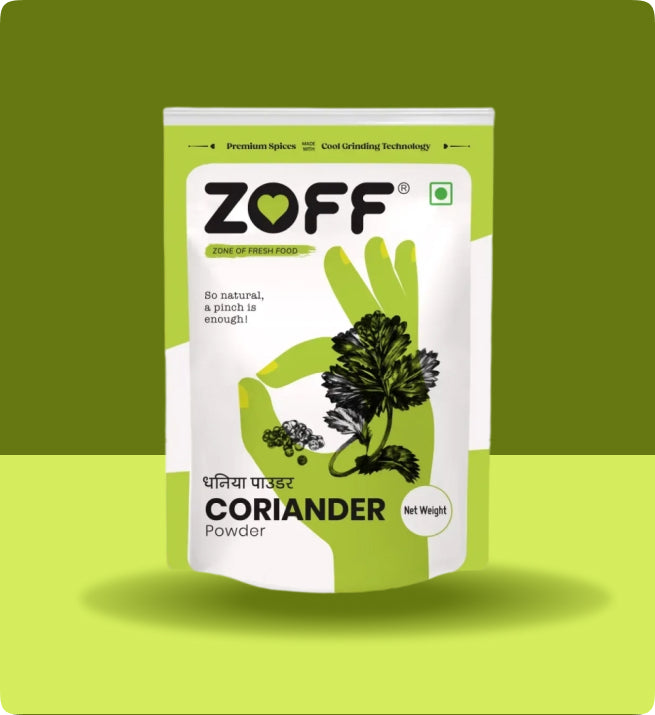
 Sold out