Paneer Pav Bhaji Masala: The Spices Behind Its Bold Street-Style Taste
Share
Walk past any pav bhaji cart on Juhu Beach after sunset and you'll smell it before you see it. Butter hitting a huge iron tawa, tomatoes collapsing into a red mash, and a spice blend that's warm, tangy and faintly smoky all at once. Add paneer to that mash and you get paneer pav bhaji, a richer, more filling take on Mumbai's favourite street food.
The paneer gets the attention, but the masala does the real work. Here's what goes into it, why each spice matters, and how to get that cart-side flavour at home.
What Is Paneer Pav Bhaji?
Paneer pav bhaji is a buttery, spiced mash of potato, cauliflower, peas, capsicum and tomato, cooked with pav bhaji masala and paneer, and served with soft pav toasted in butter. Pav bhaji is commonly traced to 1860s Bombay, when cotton traders and mill workers needed a fast, cheap, filling late-night meal. Paneer came much later, as vendors started adding it for customers who wanted something more substantial.
Pav Bhaji Masala Ingredients: What Each Spice Does
A good blend balances four things: earthiness, heat, warmth and sourness.
Spice
Role in the bhaji
Coriander seeds
Earthy, citrusy base; the largest share
Cumin
Nutty depth
Kashmiri red chilli
Deep red colour, mild heat
Fennel seeds
Gentle sweetness that softens tomato
Black cardamom
Smoky note that reads as "tawa flavour"
Cinnamon, cloves, black pepper
Warmth and bite
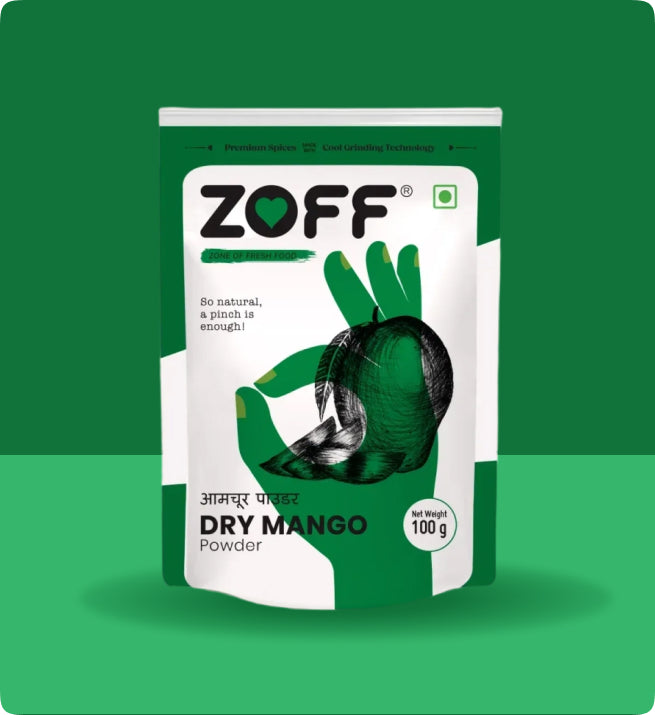
Amchur (dry mango powder)
Tang that cuts through butter
Black salt
That chaat-like kick
If your bhaji tastes flat, it's usually missing the last two.
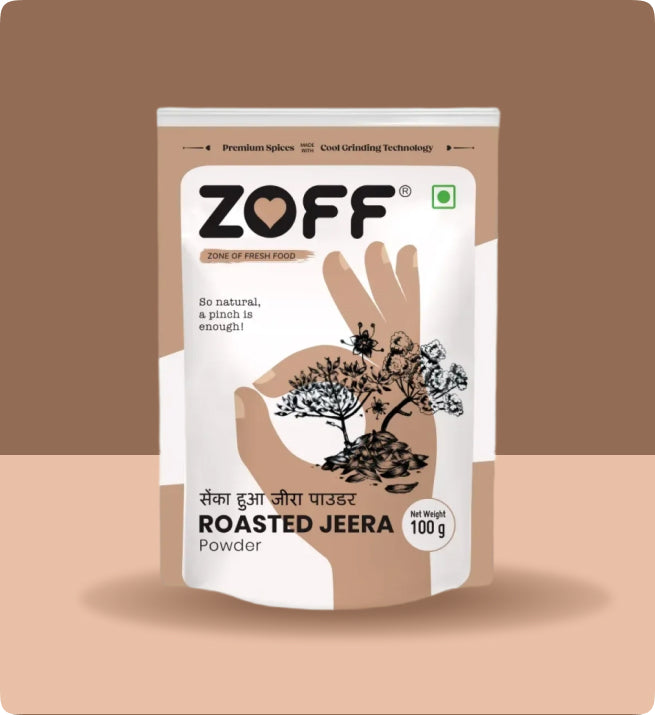
Short on time? ZOFF Pav Bhaji Masala follows the same profile, so you skip the roasting without losing the street-style character.
Paneer Pav Bhaji Nutrition (Per Serving)
One serving (1 cup bhaji with 50 g paneer and 2 buttered pav) works out to roughly:
Calories: 550–600 kcal
Protein: 17–19 g
Carbohydrates: 58–65 g
Fat: 26–30 g
Paneer carries about 18 g of protein per 100 g, which is why this version keeps you full longer than classic pav bhaji. For context, ICMR-NIN recommends around 0.83 g of protein per kg of body weight daily for adults. Butter is where calories climb, so adjust to your needs.
Ingredients
Prep: 15 min | Cook: 30 min | Total: 45 min | Serves: 4
3 medium potatoes, 1 cup cauliflower, ½ cup peas (boiled)
How to Make Paneer Pav Bhaji: The 3-Stage Masala Method
Vendors don't use recipe cards, but they do follow a rhythm.
Stage 1: Bloom the masala
Melt 2 tbsp butter in a wide pan. Sauté onions until soft, add ginger-garlic paste, then capsicum for 2 minutes.
Add tomatoes and cook 6–7 minutes until fully mushy.
Stir in pav bhaji masala, chilli powder and turmeric with a splash of water. Cook until butter separates at the edges.
Stage 2: Build the bhaji 4. Add boiled vegetables and mash hard, right in the pan. 5. Add grated paneer and ½ cup water. Simmer 8–10 minutes.
Stage 3: Finish like a vendor 6. Sear paneer cubes in butter with a pinch of masala, then fold them in at the end. 7. Top with butter, a fresh pinch of masala, lemon juice and coriander. 8. Toast pav in butter with a little masala and coriander.
Tips for Street-Style Paneer Pav Bhaji
Add masala twice. The final sprinkle brings back aroma lost while simmering.
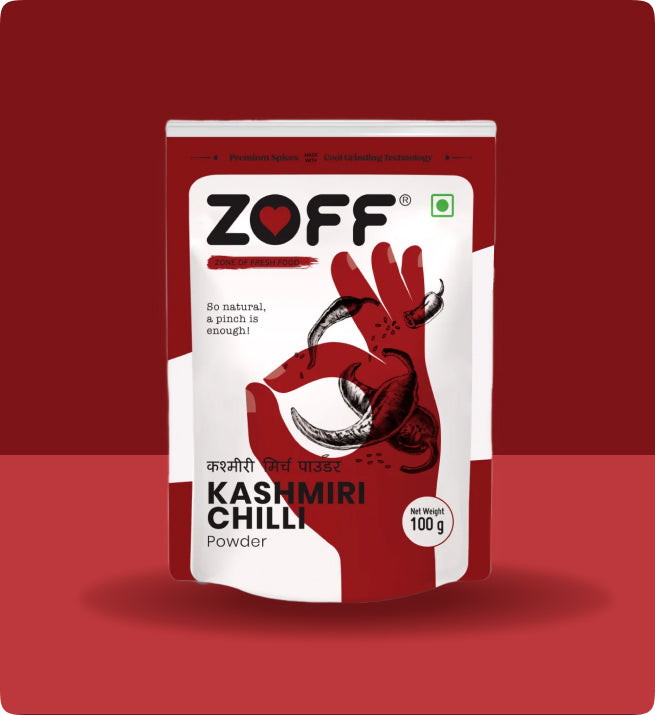
Use Kashmiri chilli for colour. You get that deep red without extra heat. Kashmiri Chilli Powder works well here.
Don't overcook paneer cubes. Beyond 5 minutes in the bhaji, they turn rubbery.
Mash more than you think. Mumbai style paneer pav bhaji is smooth, not chunky.
Watch the salt. Pav, butter and black salt all add sodium, and WHO advises under 5 g of salt a day.
Serving Suggestions
Serve hot with buttered pav, chopped raw onion, lemon wedges and a cube of butter melting on top. Masala chaas balances the richness. For parties, set up a pav bhaji counter with grated cheese, extra paneer and green chutney.
Paneer Pav Bhaji Variations
Khada paneer pav bhaji: Vegetables left chunky, not mashed.
Jain version: No onion or garlic; raw banana replaces potato.
Cheese paneer pav bhaji: Grated cheese on top, a Mumbai cart favourite.
Lighter version: Half the butter, more cauliflower, whole wheat pav.
Pav bhaji toast: Leftover bhaji on bread, topped with paneer and grilled.
Get the masala right and everything else falls into place. The paneer adds body, but the spices are what make it taste like Mumbai.
Disclaimer: The information in this blog is for general informational purposes gathered from various sources. Zoff Foods does not guarantee specific health or nutritional outcomes. Please consult a qualified health professional for personalised dietary advice.
Frequently Asked Questions
1. What is paneer pav bhaji?
Paneer pav bhaji is a Mumbai street-food dish made by mashing boiled vegetables with onion, tomato, butter and pav bhaji masala, then adding grated and cubed paneer. It is served hot with butter-toasted pav, raw onion and lemon, and is more filling than classic pav bhaji because of the added protein.
2. What are the main pav bhaji masala ingredients?
Pav bhaji masala is typically made from coriander seeds, cumin, Kashmiri red chilli, fennel, black cardamom, cinnamon, cloves, black pepper, amchur (dry mango powder), black salt, turmeric and dry ginger. Coriander forms the base, while amchur and black salt give the tangy, chaat-like street-style taste.
3. How do you make homemade pav bhaji masala?
Dry roast coriander seeds, cumin, fennel, dried Kashmiri chillies, black cardamom, cloves, cinnamon, black peppercorns and bay leaves on low heat for 3–4 minutes. Cool, grind to a fine powder, then mix in amchur, black salt, turmeric and dry ginger powder. Store airtight and use within one month.
4. How much protein is in paneer pav bhaji?
One serving of paneer pav bhaji with about 50 g paneer and two buttered pav provides roughly 17–19 g of protein and 550–600 kcal. Paneer contains about 18 g of protein per 100 g, so increasing paneer raises protein, while reducing butter lowers calories.
5. When should paneer be added to pav bhaji?
Add grated paneer while the bhaji simmers so it blends into the mash and adds body. Add seared paneer cubes only at the end, after the heat is off or in the last 2–3 minutes, because cooking cubes longer than about 5 minutes makes them rubbery.
6. What makes Mumbai style paneer pav bhaji different?
Mumbai style paneer pav bhaji is cooked on a large tawa with generous butter, mashed until smooth, and finished with a second sprinkle of pav bhaji masala, lemon juice and coriander. Kashmiri chilli gives its deep red colour, and pav is always toasted in butter on the same tawa.
Z
ABOUT THE AUTHOR
ZOFF Foods
ZOFF Foods is built on the belief that great taste starts with great ingredients. With cool grinding technology and a focus on freshness, ZOFF brings authentic Indian flavours to every kitchen.


 Sold out
 Sold out