Every Indian kitchen has one. A round, stainless steel container with a tight-fitting lid, seven small bowls nested inside, and a tiny spoon that somehow always goes missing. The masala dabba is not a piece of kitchenware. For anyone who cooks Indian food regularly, it is the single most used item on the counter.
What makes the spice box so effective is not any one spice inside it. The power is in the system: seven essential spices, organised for speed, within arm's reach of the stove. You open the lid, grab what you need in the order the recipe demands, and close it. No rummaging through a cabinet, no unscrewing five different jar lids while the oil smokes. Seconds matter during a tadka, and the masala dabba is built for exactly that kind of speed.
If you are setting up a kitchen for the first time, gifting one to a new homemaker, or simply rethinking what goes inside your own, here is a practical guide to getting it right.
Key Takeaways
- A masala dabba holds the 7 spices you reach for most often. Everything else stays in the cabinet.
- What goes inside depends on what you cook. North Indian, South Indian, and everyday general cooking each have slightly different ideal sets.
- A curated spice box makes one of the most practical gifts for housewarmings, weddings, and anyone moving into a new kitchen.
- Store the dabba in a cool, dry spot near (but not on top of) the stove. Moisture and steam are the enemy.
What Is a Masala Dabba?
A masala dabba is a traditional Indian spice box, typically a round stainless steel container about 18 to 20 cm in diameter. Inside, it holds 6 to 7 smaller bowls (katoris), each filled with a different spice. A small spoon sits alongside them. The lid is airtight, keeping the spices fresh and the aromas from mixing with each other.
The concept is simple but brilliant. Indian cooking uses multiple spices in nearly every dish, often added in quick succession. A masala dabba puts the most-used spices in one place, organised for the order in which they are typically needed. Open, scoop, close. The rhythm of Indian cooking depends on it.
The stainless steel version is the most common, but brass, wooden, and ceramic dabbas also exist. Stainless steel is preferred for daily use because it is non-porous, rust-proof, easy to clean, and keeps moisture out.
What Goes Inside: 3 Setups for 3 Types of Cooking
There is no single correct way to fill a spice box. What goes inside should reflect what you cook most often. Here are three practical setups.
Setup 1: North Indian Everyday (The Most Common)
A standard North Indian dabba setup, built for dal, sabji, paneer, rajma, and roti-based meals.
-
Cumin seeds (jeera): for tadka in dal, sabji, and rice
-
Turmeric powder (haldi): goes into nearly everything
-
Red chilli powder: everyday heat
-
Coriander powder (dhaniya): the base of most gravies
-
Garam masala: finishing warmth
-
Mustard seeds (rai): for pickles, some tadkas
-
Amchur (dry mango powder): tanginess for dry sabji
Keep hing (asafoetida) in a separate small container. Its strong smell can overpower the other spices if stored in the same box.
Setup 2: South Indian Everyday
For households that cook sambar, rasam, poriyal, and dosa-based meals most days.
-
Mustard seeds: the first thing into the oil in almost every South Indian tadka
-
Urad dal (split black gram): for tempering alongside mustard seeds
-
Chana dal: tempering ingredient, adds a nutty crunch
-
Turmeric powder: universal
-
Red chilli powder: heat
-
Curry leaves: some cooks keep a few dried ones in the dabba for convenience
-
Cumin seeds: for rasam and certain vegetable dishes
Setup 3: The All-Purpose Starter (For New Kitchens)
If you are filling a masala dabba for the first time, or gifting one, this is the most versatile set. Covers North Indian, basic South Indian, and general Indian cooking.
-
Cumin seeds (jeera): the most-used whole spice
-
Turmeric powder: colour and earthiness
-
Red chilli powder: heat
-
Coriander powder: body and mild citrus
-
Garam masala: finishing warmth
-
Kitchen king masala: the all-purpose substitute when you do not want to measure individual spices
-
Black pepper powder: for eggs, soups, fried rice, and quick seasoning
With these seven, you handle 80% of everyday Indian cooking. Add hing in a separate jar and you are covered.
Why a Spice Box Makes the Best Gift
A masala dabba filled with quality spices is one of the most thoughtful kitchen gifts you can give. Here is why:
-
Housewarmings: Moving into a new home means an empty kitchen. A filled spice box means the recipient can start cooking properly from day one, without a shopping trip.
-
Weddings: In many Indian families, a masala dabba is already part of the traditional gift set for a new bride. A curated one with quality spices elevates the gesture.
-
Students moving out: A spice box with 7 essentials and a small card explaining what each spice does turns a bare hostel shelf into a functional kitchen corner.
-
Diwali and festival gifting: Dry fruit boxes are the standard Diwali gift. A spice box is the unexpected, practical alternative that people actually use.
The gift is not just the dabba. The value is in the curation: choosing the right spices, ensuring they are fresh and well-sourced, and presenting them in a way that feels considered.
How to Organise and Maintain Your Masala Dabba
A few habits that keep the dabba working well for months.
-
Fill based on usage, not to the brim: Spices you use a lot (turmeric, chilli powder) go in fuller. Spices you use a pinch at a time (garam masala, amchur) can be filled halfway.
-
Use dry spoons only: Even a slightly damp spoon introduces moisture, which clumps and degrades the spice.
-
Do not scoop directly over a hot pan: Steam rising into the dabba causes moisture damage. Hold the dabba to the side, scoop, then add.
-
Keep it near the stove, not on the stove: Heat from the burner degrades volatile oils. A shelf or counter within arm's reach is ideal.
-
Wash and dry monthly: Empty the katoris, wipe the dabba clean, let it air-dry fully, and refill. Do not wash while spices are still inside.
-
Refill with fresh spices regularly: Ground spices in the dabba should be replaced every 2 to 3 months. Whole spices (cumin seeds, mustard seeds) last longer, roughly 6 months.
Conclusion
A masala dabba is one of those kitchen tools that looks simple until you try cooking without one. Seven spices, one container, zero wasted seconds. Whether you are building your own or gifting one to someone starting their kitchen, getting the right spices inside is what turns a steel box into the most useful thing on the counter.
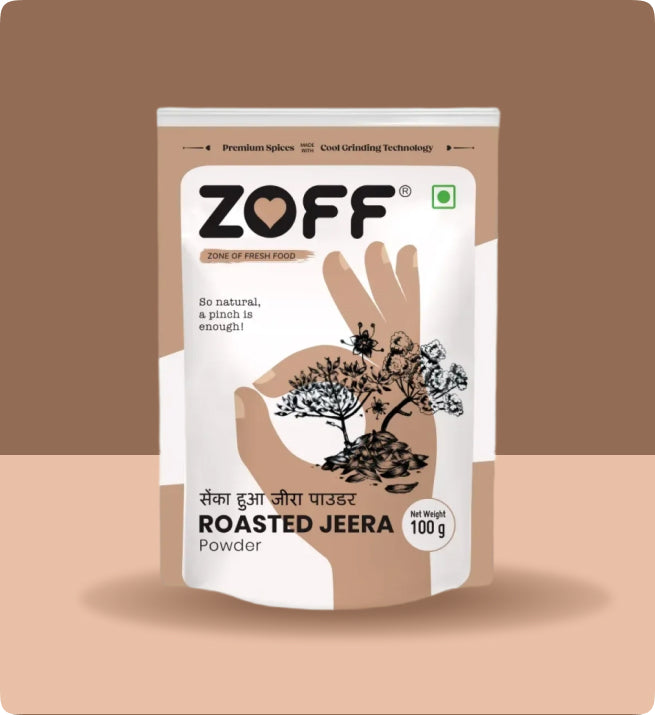
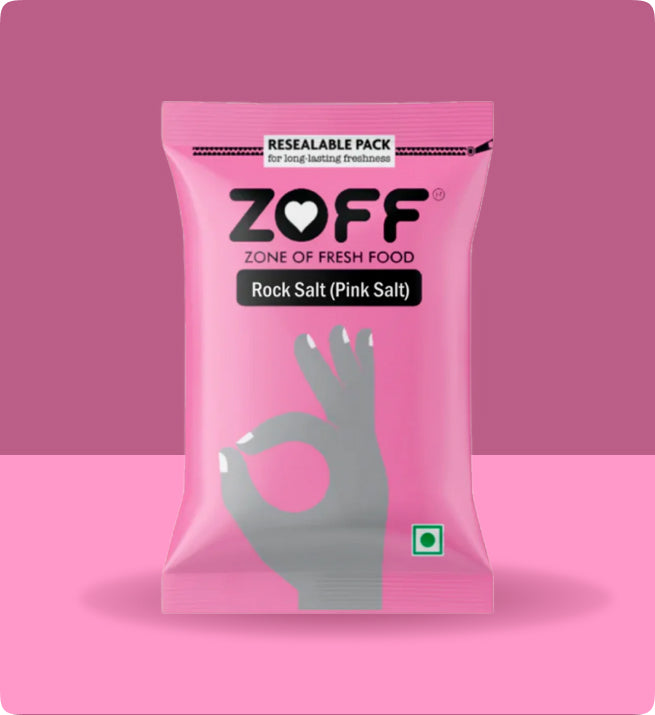
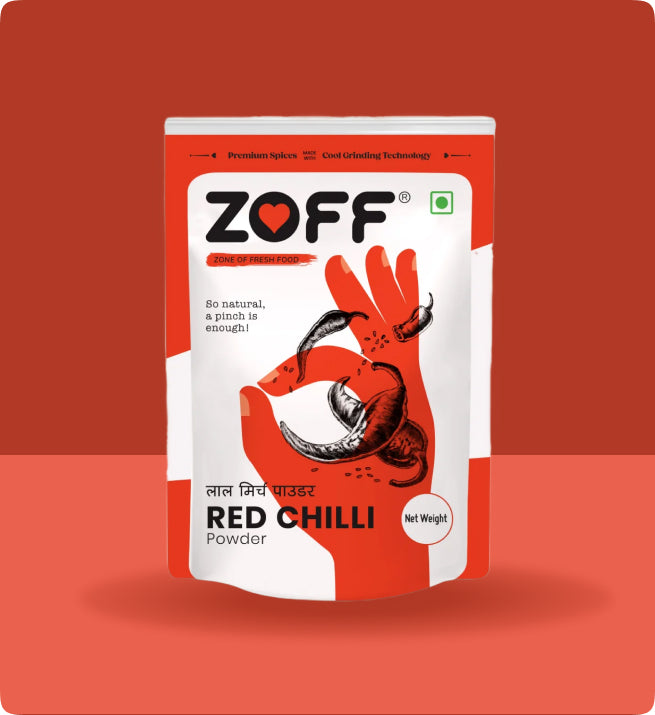
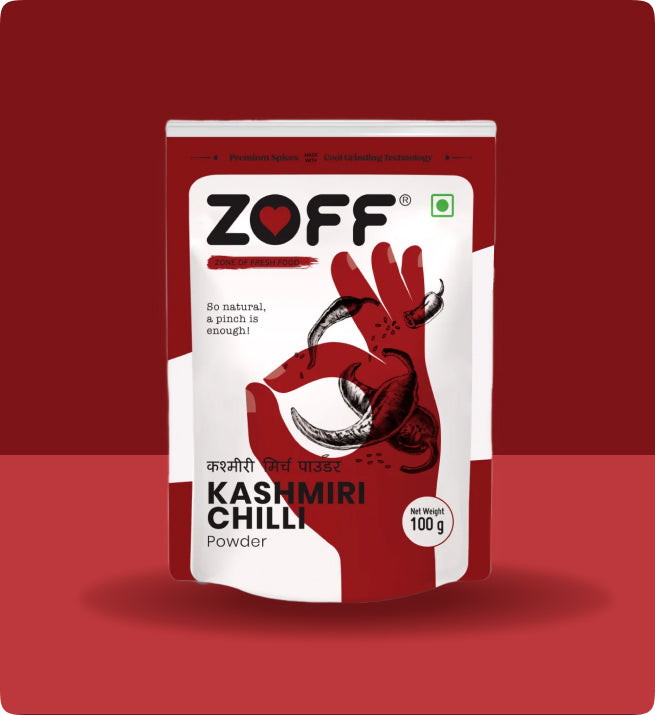
ZOFF (Zone of Fresh Foods) offers a full range of powdered spices, blended masalas, and whole spices in resealable zip-lock pouches, sized perfectly for refilling a masala dabba. Every spice
is ground fresh using cool grinding technology below 60°C to preserve flavour and aroma. For gifting, the Exotic Whole Spices Combo makes a ready-made starter set. Explore everything at zofffoods.com.
Explore Other Blogs
Indian Spice Blends|One Pot Indian Dinners|15 Minute Indian Recipes|Rainy Season Foods|Bhel Puri
Disclaimer: The information in this blog is for general informational purposes gathered from various sources. Zoff Foods does not guarantee specific health or nutritional outcomes. Please consult a qualified health professional for personalised dietary advice.
Z
ABOUT THE AUTHOR
ZOFF Foods
ZOFF Foods is built on the belief that great taste starts with great ingredients. With cool grinding technology and a focus on freshness, ZOFF brings authentic Indian flavours to every kitchen.
Cool-groundFresh spicesIndian flavours


 Sold out
 Sold out