The Healing Power of Spices: Natural Ingredients That Fight Inflammation
Share
The most effective anti-inflammatory spices are turmeric, ginger, cinnamon, black pepper, garlic, clove, cardamom, cayenne, and rosemary. They work by slowing down the body's inflammatory signals the same signals that, left unchecked over years, are linked to heart disease, arthritis, and diabetes. The best part? You probably already have most of them in your kitchen.
If your grandmother ever handed you warm turmeric milk when you were sick, she was practicing food-as-medicine long before it became a wellness headline. Indian kitchens have leaned on spices for healing for thousands of years and modern science is finally catching up to the wisdom in the masala dabba.
Here's why it matters. Short-term inflammation is your body doing its job: it fights infection and heals a cut. But chronic, low-grade inflammation is different. It simmers quietly for years, and researchers link it to the majority of long-term diseases worldwide. The good news is that everyday spices are one of the simplest, cheapest tools to help keep that fire in check.
Why Spices Fight Inflammation
Spices are concentrated sources of polyphenols and antioxidants. These compounds interrupt inflammatory pathways chiefly by calming an enzyme called COX-2 and a master switch called NF-κB, the same targets many anti-inflammatory medicines act on, only gentler and food-based. In plain terms: the colour, aroma, and pungency of a good spice are its medicine.
The Best Anti-inflammatory Spices
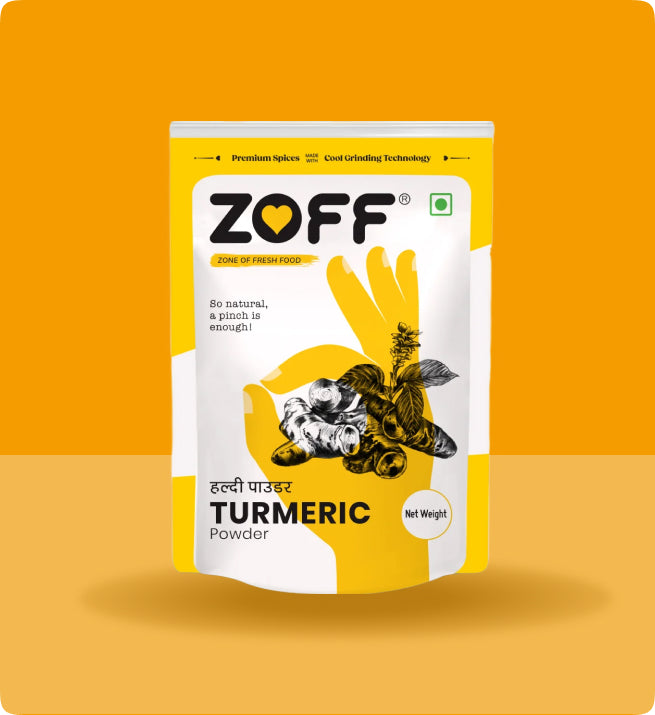
Turmericis the headline act. Its active compound, curcumin, has been studied in dozens of clinical trials, and meta-analyses consistently show it lowers CRP a key blood marker of inflammation. One catch: curcumin is poorly absorbed on its own, which is why the next spice matters so much.
Black pepper contains piperine, which can boost curcumin absorption dramatically. This is the science behind the classic haldi-doodh pairing turmeric almost always tastes better, and works better, with a pinch of pepper.
Ginger is turmeric's cousin, both in flavour and function. Pooled clinical research on osteoarthritis patients has found that ginger produces a modest but real reduction in joint pain and stiffness compared to placebo a reason it's a staple for people managing achy knees.
Cinnamondoes double duty: studies show it helps steady blood sugar, and steadier blood sugar means fewer inflammatory spikes. A daily sprinkle in your coffee, oats, or chai is an easy win.
Garlic brings allicin, a sulphur compound tied to lower inflammatory markers and better heart health. Cloveranks among the highest-antioxidant foods ever measured. Cardamom, cayenne, and rosemary round out the list, each carrying its own protective compounds.
Here's a quick reference:
Spice
Active compound
Best used in
Turmeric
Curcumin
Curries, warm milk, rice
Ginger
Gingerol
Tea, stir-fries, chutney
Cinnamon
Cinnamaldehyde
Coffee, oats, desserts
Black pepper
Piperine
Everything (pairs with turmeric)
Garlic
Allicin
Sautéed bases, dressings
Clove
Eugenol
Biryani, chai, baking
A Simple Daily Framework: The "3-2-1" Spice Habit
You don't need supplements or a new diet. Try this instead:
3 pinches of turmeric across your day- in dal, sabzi, or milk (always with black pepper).
2 cups of a spice-forward drink- ginger tea in the morning, cinnamon chai in the evening.
1 garlic-and-fresh-herb base in at least one cooked meal.
Do this most days for a few weeks. It's cumulative, not instant think of it as seasoning your health, one meal at a time.
Real Example: Rebuilding the Everyday Chai
Take the humble cup of chai. Swap plain tea for a brew with fresh ginger, a cinnamon stick, two cloves, and a cardamom pod. In one cup you've combined five anti-inflammatory spices no pills, no cost, no effort beyond what your kitchen already does. That's the whole philosophy: healing hidden in habit.
A quick, honest caveat: spices support a healthy body, they don't replace medicine. If you're on blood thinners, pregnant, or managing a diagnosed condition, check with your doctor before taking concentrated doses food-level amounts in cooking are generally safe for most people.
Disclaimer: The information in this blog is for general informational purposes gathered from various sources. Zoff Foods does not guarantee specific health or nutritional outcomes. Please consult a qualified health professional for personalised dietary advice.
Frequently Asked Questions
1. What is the best spice for inflammation?
Turmeric is widely considered the best spice for inflammation because of its active compound curcumin, which is one of the most researched natural anti-inflammatory agents. Pair it with black pepper to absorb it far better.
2. Which Indian spices reduce inflammation?
Turmeric, ginger, black pepper, cinnamon, clove, cardamom, and garlic are the key Indian spices that reduce inflammation. Most Indian households already cook with all of them daily.
3. How long do anti-inflammatory spices take to work?
Spices work cumulatively, not instantly. Most research uses several weeks of consistent daily intake before measuring changes in inflammatory markers, so think in terms of weeks and steady habits rather than a single dose.
4. Can I get anti-inflammatory benefits from cooking, or do I need supplements?
For most people, everyday cooking is enough to enjoy the benefits and is the safest route. Supplements deliver higher, concentrated doses and should only be used with medical guidance.
5. Are anti-inflammatory spices safe for everyone?
In normal food amounts, yes, for most people. High concentrated doses can interact with blood thinners, diabetes medication, or pregnancy, so consult a doctor if any of these apply to you.
Z
ABOUT THE AUTHOR
ZOFF Foods
ZOFF Foods is built on the belief that great taste starts with great ingredients. With cool grinding technology and a focus on freshness, ZOFF brings authentic Indian flavours to every kitchen.


 Sold out
 Sold out