

The Complete Indian Spices List: 17 Masalas Every Kitchen Needs
Open any Indian kitchen cabinet and you'll find a small universe of jars, dabbas, and zip pouches. There's a reason for that. Spices are how we turn the same potato into aloo jeera one day and a fiery aloo-dum the next. But if you're just building your pantry, the sheer number of options can feel overwhelming.
So here's the honest version: you don't need fifty. You need a solid core. Below is the Indian spices list I'd hand to a friend setting up their first real kitchen, plus the handful of "nice to have" ones that quietly do a lot of heavy lifting.
The Essential Indian Spices One Should Have In Your Kitchen:
1. Turmeric (Haldi): The yellow backbone of almost every sabzi and dal. Earthy, slightly bitter, and the reason your fingers turn gold. A pinch goes in early, in the hot oil.

2. Red Chilli Powder (Lal Mirch): Your heat and your colour. Red Chilli is ground without added colour, so the warmth you taste is the chilli itself, not a dye.

3. Coriander Powder (Dhania): Mild, citrusy, and the unsung hero that gives most curries their body. Turmeric, chilli, and coriander together are so fundamental that Zoff sells them as one CTC combo pack.

4. Cumin (Jeera): Whole seeds for tempering, powder for finishing. That nutty aroma when jeera hits hot oil is basically the sound of Indian cooking starting.

5. Garam Masala: The blend that ties a dish together at the end. Every house has its own, but a good ready blend like zoff's saves you grinding eight spices for one curry.

6. Black Pepper (Kali Mirch): Sharp, woody heat that works in rasam, chai, and just about anything. Buy it whole and crack it fresh; the difference is real.

7. Green Cardamom (Choti Elaichi): Sweet and floral, the soul of biryani, kheer, and proper masala chai. Zoff's whole green cardamom keeps its fragrant oils locked in until you split a pod.

8. Cloves (Laung): Tiny, intense, a little goes a long way. Essential in pulao, garam masala, and grandma's cold remedies.

9. Cinnamon / Cassia Bark (Dalchini): Warm and sweet-woody. One stick in the oil perfumes an entire pot of rice or curry.

10. Bay Leaf (Tej Patta): Quiet but missed when it's gone. Drop it in early so it can release its gentle, tea-like aroma.

11. Mustard Seeds (Rai): The pop at the start of South Indian tempering. They sputter, they crackle, and then everything tastes better.

12. Fenugreek (Methi & Kasoori Methi): Whole seeds add a pleasant bitterness; dried kasoori methi crumbled over a gravy is what makes restaurant dal taste like restaurant dal.

13. Asafoetida (Hing): A tiny pinch that mimics onion-garlic depth. Lifesaver for anyone cooking satvik or no-onion-no-garlic food.

14. Carom Seeds (Ajwain): Sharp, thyme-like, and great in parathas, pakoras, and anything fried. Also the seed everyone reaches for after a heavy meal.

15. Black Salt (Kala Namak): Tangy, sulphurous, and unmistakable in chaat, raita, and summer drinks. Zoff's kala namak is clean-ground and easy to sprinkle.

16. Black Cardamom (Badi Elaichi): Smoky and bold, the dramatic cousin of green cardamom. It belongs in rich Mughlai gravies and slow-cooked meats.

17. Fennel Seeds (Saunf): Sweet and cooling. Good in cooking, better as the after-dinner mukhwas we all know.

Why where you buy your masala matters
Spices are, sadly, one of the most adulterated foods in India, so freshness and purity genuinely change how your food tastes. This is where Zoff has carved out a name. Founded in Raipur and now stocked in thousands of stores nationwide, Zoff uses a cool-grind (Air Classifying Mill) process that grinds spices at low temperatures so the natural oils and aroma don't burn off, then seals them in multi-layer zip-lock packs. No added colours, no preservatives, no shortcuts.
If you're starting fresh, their Starter Spice Kit bundles the four that do 80% of the work, turmeric, red chilli, coriander, and garam masala, which is a low-fuss way to stock up.
How to Use Indian Spices in Cooking?
Do you think that it is just enough to know the Indian kitchen spices name and you are ready to master the technique of cooking Indian style? Well, here is the secret that lies. Indian-style cooking is not just about what ingredients go in but it is also about how you are cooking the ingredients. Indian spices can enhance the aroma and flavour of food. But at the same time, when you are not using the spices in the right proportion, it can even destroy the taste. Hence, one should even know how to use Indian spices in cooking.
The Indian spices can be categorized in many sections as some are those that can be used as a whole while some others need to be grounded to use. Also, there are some spices that have to be cooked before other ingredients of the dish, some other spices are such that you need to put them after preparing the dish. It is essential to understand the nature of each spice and use it accordingly. For example, when you are using cloves and cardamom for rice preparations, you need to put them whole. But when you are using these two spices in curries, you will have to grind them.
When you are using spices for curries, it is essential that you cook them well first in oil along with other herbs such as ginger, garlic, and chilli before you put in other elements such as vegetables or meat. While preparing masala tea, you need to boil spices such as cinnamon, cloves, and cardamon first and then you need to put in tea leaves and milk.
So, there are different rules for different spices. Also, you should be aware of the flavours strongly so that you know the amount of each spice that you need to use in your dish.
How to Store Spices?

Do you think you know all about spices? One of the things that you should not skip is how to store the spices in such a way that they last long. While you may have a dedicated masala dabba for your spices, here are some eminent tips that you should follow to store them in the right way.
- Store them in airtight containers and bring out a small amount of spices in the masala box for everyday use.
- Keep them away from direct sunlight and store them in a cool place.
- Make sure that you do not open the spice containers frequently if you wish to keep them in good essence for a long time.
Do Spices Expire?
While expired spices may not cause any harm to you but such spices will not do any good to you as well. Also when spices expire, they will not bring fragrance and flavour to your food. So, yes, spices do expire. To know whether your spices have expired or not, you will have to take a whiff. If you get the aroma of the spice that you are whiffing, it is fresh, else it has expired.
Usually, when you have grounded the spices or have bought grounded spices, it should last you for about 6 months. So, you should not use any spice that has been there for more than 6 months. But the story is different in the case of whole spices. Whole spices are known to last for as many as 5 years. This is one of the many reasons why many Indian women do not use grounded spices, rather they grind the whole spices as and when required while cooking.
Whether it is the ground or whole spices, when they have expired, they will make your food bland and out of taste sometimes. When such a thing is happening, you should know that it is time to replace your spices.
Sometimes, even fresh spices may not add the flavour that you want. This happens when you are not using quality spices. Zoff brings you high-quality spices along with a proper expiry date so that you know when you can use them.
Take a dive into the world of Zoff spices to come across a wide range of spice options that you require for mastering your cooking skills.
Explore Other Blogs
History of Spices|Best Masala Companies|Indian Spices List|Spice Routes|Home Cook Guide
Disclaimer: The information in this blog is for general informational purposes gathered from various sources. Zoff Foods does not guarantee specific health or nutritional outcomes. Please consult a qualified health professional for personalised dietary advice.
Frequently Asked Questions
1. What are the essential Indian spices every kitchen needs?
The core essentials are turmeric, red chilli powder, coriander powder, cumin, and garam masala. Add black pepper, green cardamom, cloves, cinnamon, mustard seeds, and bay leaf, and you can cook the vast majority of everyday Indian dishes.
2. What is the difference between whole and ground spices?
Whole spices keep their flavour longer and are used for tempering (tadka) or infusing oil. Ground spices release flavour faster and are easier to blend into gravies, but they lose aroma sooner, usually within about six months.
3. What spices go into garam masala?
A typical garam masala blends warming spices such as cumin, coriander, black pepper, cardamom, cloves, cinnamon, and bay leaf. Recipes vary by region and household, which is why many cooks use a ready-made blend for consistency.
4. How long do Indian spices stay fresh?
Whole spices generally last 12 months or longer when stored airtight and away from heat and light. Ground spices are best used within six months for peak aroma and flavour.
5. Which spices should a beginner start with?
Beginners should start with turmeric, red chilli powder, coriander powder, and garam masala. These four form the base of most Indian curries and are often sold together as a starter spice kit.
6. Are Zoff spices free from added colours and preservatives?
Yes. Zoff spices are made with no added colours or preservatives, ground using a low-temperature cool-grind process to preserve natural oils and aroma, and sealed in multi-layer zip-lock packaging for freshness.
STOCK YOUR SPICE RACK
Everyday Powdered Spices for Flavourful Cooking
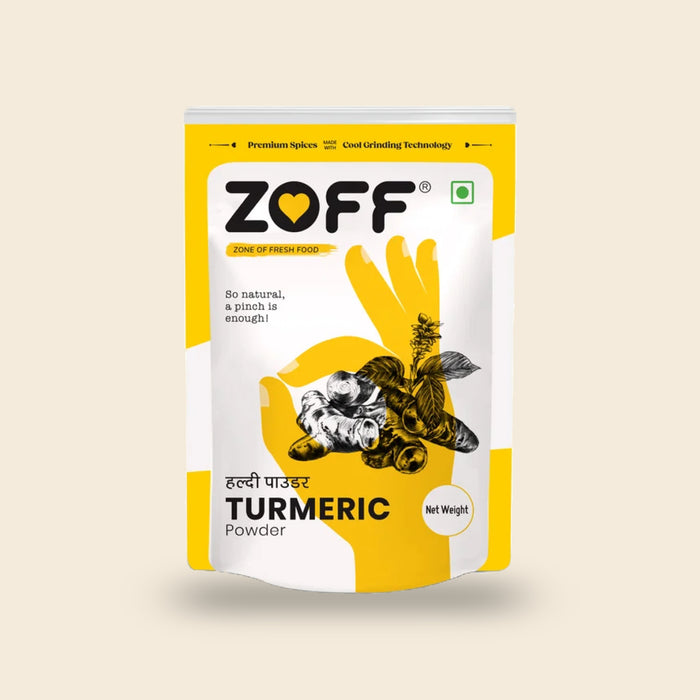
Turmeric Powder (Haldi): Essential Spice for Authentic Indian Cooking
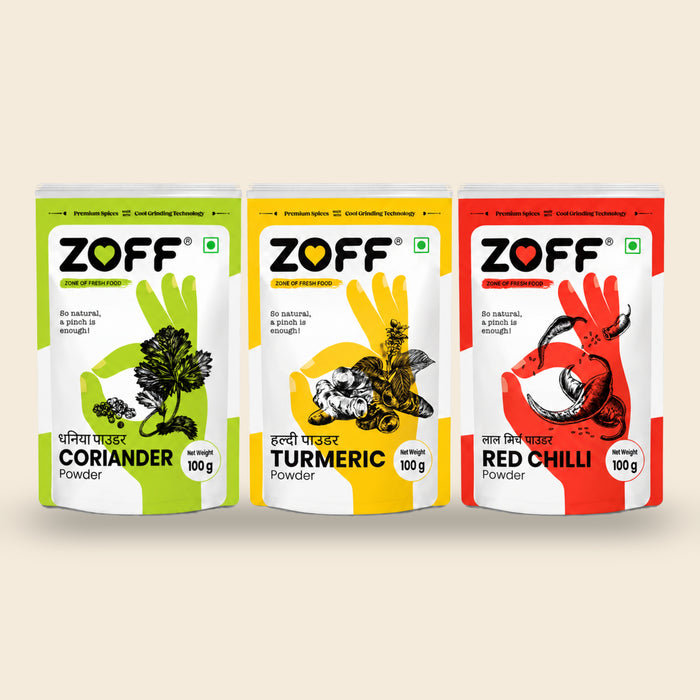
Chilli, Turmeric & Coriander Combos
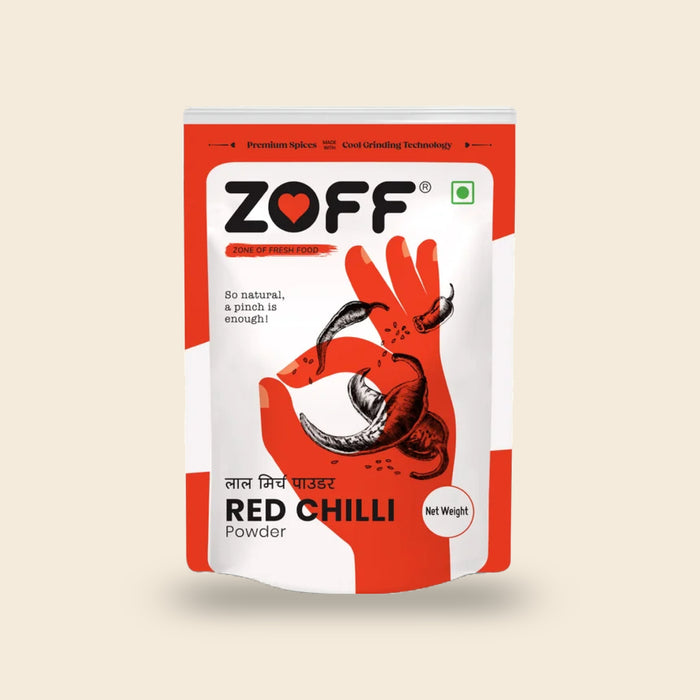
Red Chilli Powder/Lal Mirch Powder
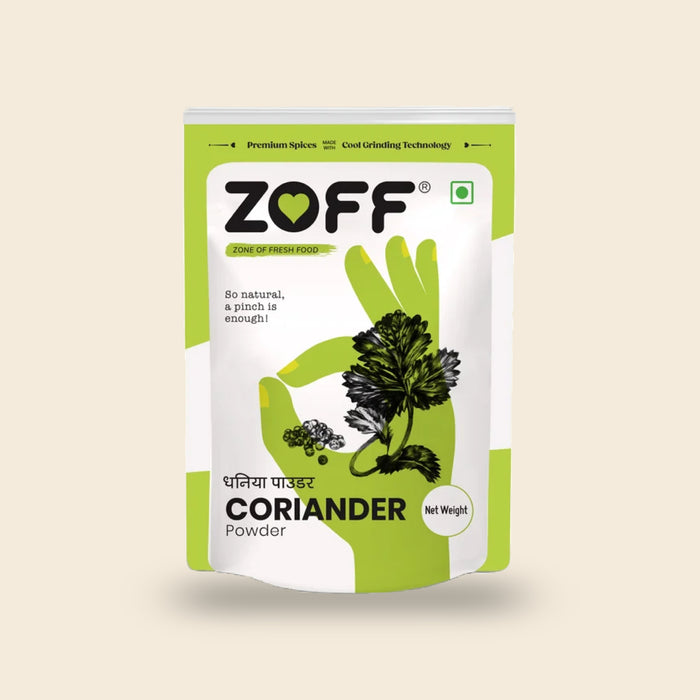
Coriander/Dhaniya Powder
 Sold out
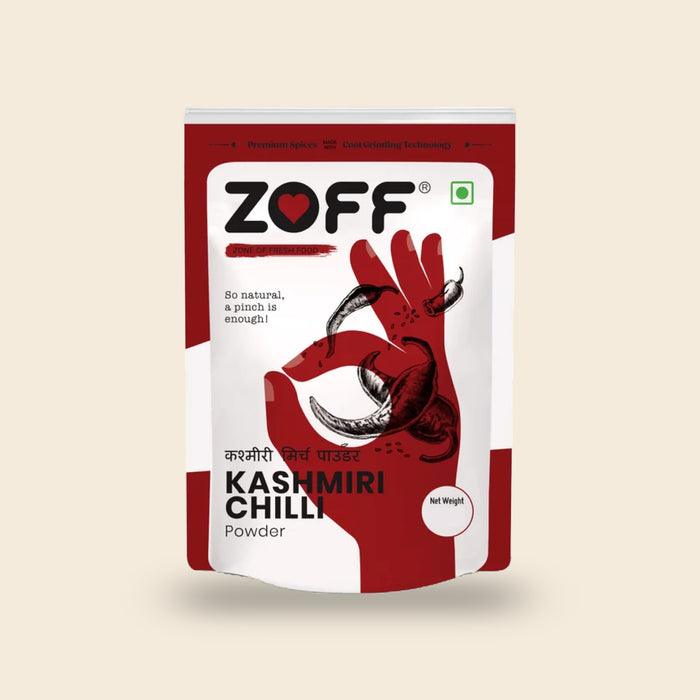
Kashmiri Chilli Powder: Authentic & Flavourful
 Sold out
Roasted Cumin Powder (Bhuna Jeera): Spice for Rich Aroma & Flavour
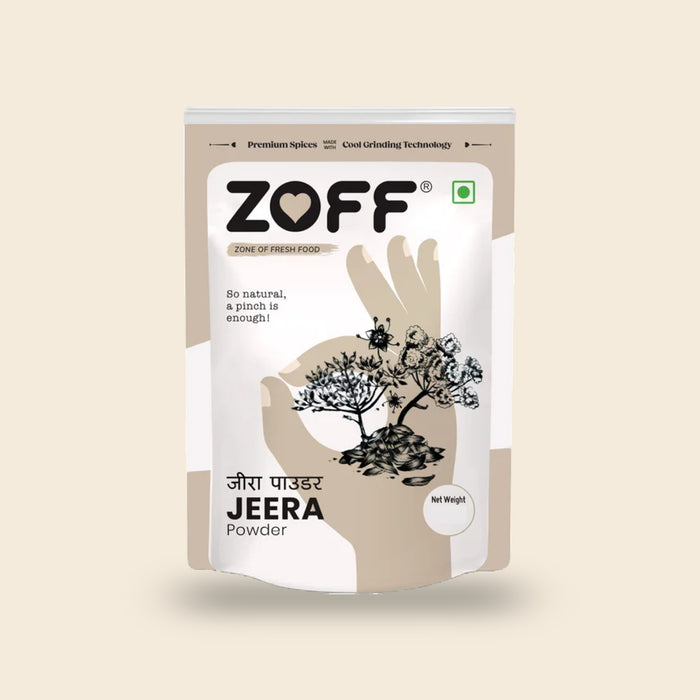
Jeera Powder (Cumin)
 Sold out