Turmeric has been in Indian kitchens for thousands of years. Your grandmother probably stirred it into dal, mixed it into milk on cold nights, and dabbed it on scrapes without thinking twice. For most of us, haldi is just something that has always been there.
But lately, the rest of the world has caught up. Turmeric lattes, curcumin capsules, and golden paste recipes are everywhere, and with all the noise, it is hard to know what turmeric can actually do, how much you should use, and whether the haldi in your masala dabba is enough.
No single spice is a cure-all, and turmeric is no exception. What follows is a practical, no-hype guide to what we know, what we do not, and how to make the most of this familiar yellow spice.
Key Takeaways
- Curcumin, the active compound in turmeric, has anti-inflammatory and antioxidant properties that are backed by a growing body of research.
- For daily cooking, ¼ to ½ teaspoon of turmeric powder is a common and safe amount.
- Pairing turmeric with black pepper and a source of fat may significantly improve absorption.
- Turmeric is not a medicine. Use hedged language like "may help" because most research is still early-stage.
- Pregnant women, people with gallbladder issues, and those on blood thinners should consult a doctor before taking turmeric in large amounts.
What Makes Turmeric Good for You?
Turmeric (Curcuma longa) belongs to the ginger family and has been used in Ayurvedic and traditional medicine for centuries. The rhizome, the underground stem that gets dried and ground into the yellow powder in your kitchen, contains hundreds of compounds. But the one that gets the most attention is curcumin.
Curcumin: The Active Compound
Curcumin is the pigment that gives turmeric its deep golden colour. Turmeric powder typically contains about 2-5% curcumin by weight, which means a teaspoon of haldi has only a small amount of the active compound. Curcumin has shown anti-inflammatory and antioxidant activity in laboratory and clinical studies, but there is an important catch: the body does not absorb it very well on its own. More on how to fix that later.
Potential Health Benefits of Turmeric
A fair amount of research has explored what turmeric and curcumin may do for the body. The word "may" matters here. Many studies are small, short-term, or conducted in lab settings rather than in people. Still, some areas show genuine promise.
May Support Joint Comfort
Among the more studied haldi benefits is its potential role in joint health. Some clinical trials have looked at curcumin for knee osteoarthritis, and a number of them found that it may help reduce pain and improve mobility. One widely cited study found that curcumin performed comparably to ibuprofen for pain relief in knee osteoarthritis patients.
May Help with Digestion
Turmeric has traditionally been valued for digestive comfort in Indian households. Some clinical evidence suggests that curcumin may help with indigestion and bloating. A study on people with dyspepsia found that turmeric provided relief comparable to a standard antacid medication. Turmeric may also support liver health by helping reduce fat accumulation in the liver, based on trials involving people with non-alcoholic fatty liver conditions.
Turmeric Benefits for Skin
Early research suggests that curcumin's antioxidant and anti-inflammatory properties may benefit the skin. A 2016 systematic review of 18 clinical studies found that turmeric products, both oral and topical, showed some improvement in conditions like acne, photoaging, and psoriasis. The evidence is still limited, and more studies are needed. In traditional Indian practice, haldi has long been used in face packs and ubtan for its perceived brightening and calming effects.
May Support Heart Health
Curcumin may help manage some risk factors linked to heart disease. Clinical trials suggest it could help lower triglyceride levels, though evidence on cholesterol is mixed. One study on patients undergoing coronary artery bypass surgery found that those taking curcumin daily saw a notable reduction in post-surgery heart events.
Traditionally Valued for Immunity
Haldi doodh (turmeric milk) has been a go-to home remedy in Indian households for generations, especially during seasonal changes. While curcumin does show antioxidant activity that may support the body's natural defences, there is no clinical evidence that turmeric "boosts" immunity in the way popular claims suggest. What it may do is help reduce oxidative stress, which plays a role in overall health.
How Much Turmeric Should You Have Per Day?
For cooking purposes, ¼ to ½ teaspoon of turmeric powder per day is widely considered safe and beneficial. You are likely already getting close to this if you cook Indian food regularly.
For curcumin supplements, clinical studies have typically used 500 to 2,000 mg of curcumin per day. The Joint FAO/WHO Expert Committee on Food Additives (JECFA) recommends up to 3 mg of curcumin per kilogram of body weight as an acceptable daily intake.
A few things worth knowing:
- Up to 3 grams of turmeric powder daily for up to 3 months appears safe for most adults.
- Higher doses may cause stomach upset, nausea, or diarrhoea in some people.
- Always consult a doctor before taking concentrated curcumin supplements, especially if you are on medication.
How to Get the Most Out of Your Turmeric
Curcumin is poorly absorbed on its own. Two simple kitchen habits can help.
-
Add black pepper. Piperine, the compound in black pepper, has been shown to improve curcumin absorption significantly. A pinch of pepper in your dal, curry, or golden milk makes a real difference.
-
Pair with fat. Curcumin is fat-soluble, so cooking turmeric in oil, ghee, or coconut milk helps the body absorb more of it.
Indian cooking naturally does both. A dal with a tempering of oil and a pinch of haldi and pepper is essentially an optimised turmeric delivery system.
Who Should Be Careful with Turmeric?
Turmeric in food amounts is safe for almost everyone. But in larger, supplemental doses, certain groups should exercise caution:
-
Pregnant women: avoid medicinal doses of turmeric, as it may stimulate the uterus.
-
People with gallstones or bile duct issues: avoid turmeric supplements, as they may worsen the condition.
-
Those on blood thinners (like warfarin): consult a doctor, as curcumin may slow blood clotting.
-
Anyone scheduled for surgery: stop turmeric supplements at least two weeks beforehand.
Conclusion
Turmeric is one of those rare spices that traditional wisdom and modern science agree on, at least in part. A ¼ to ½ teaspoon of quality haldi in your daily cooking, paired with black pepper and a little fat, is a simple, safe habit that may support joint comfort, digestion, skin health, and more.
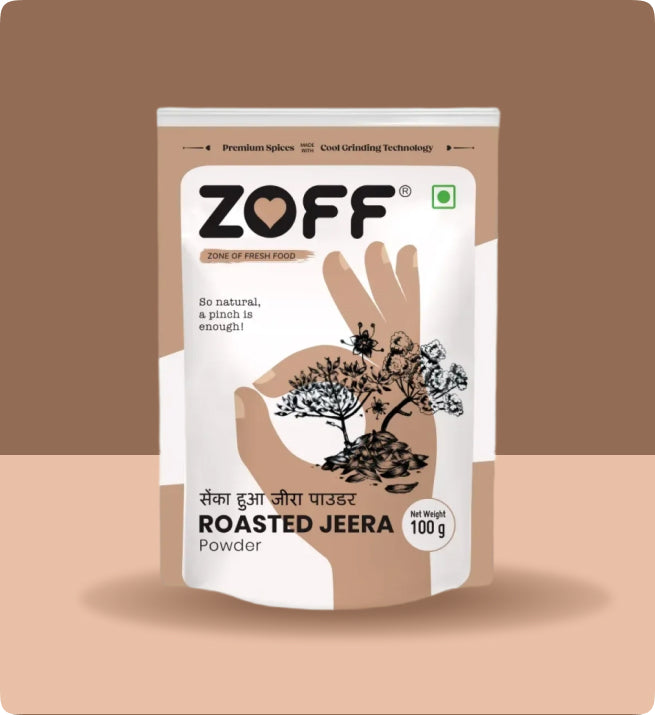
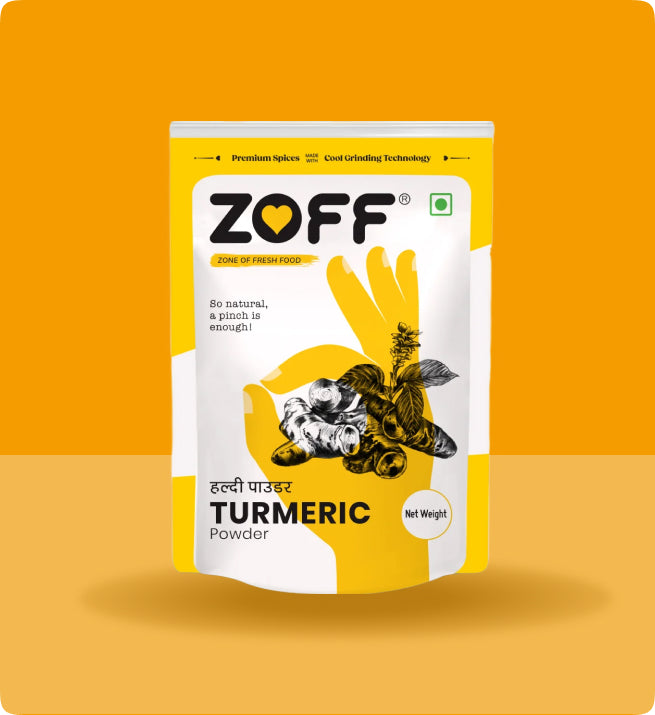
ZOFF (Zone of Fresh Foods) grinds its turmeric powder using cool grinding technology, keeping the temperature below 60°C during processing. Conventional mills reach up to 120°C, which can degrade the volatile oils and curcumin content that make turmeric valuable in the first place. ZOFF's zip-lock packaging then keeps the powder fresh, aromatic, and protected from moisture. Explore the full range of powdered spices at zofffoods.com.
Explore Other Blogs
Veg Biryani|Dishes with Biryani Masala|15 Minute Indian Recipes|One Pot Indian Dinners|Raksha Bandhan Food
Disclaimer: The information in this blog is for general informational purposes gathered from various sources. Zoff Foods does not guarantee specific health or nutritional outcomes. Please consult a qualified health professional for personalised dietary advice.


 Sold out
 Sold out