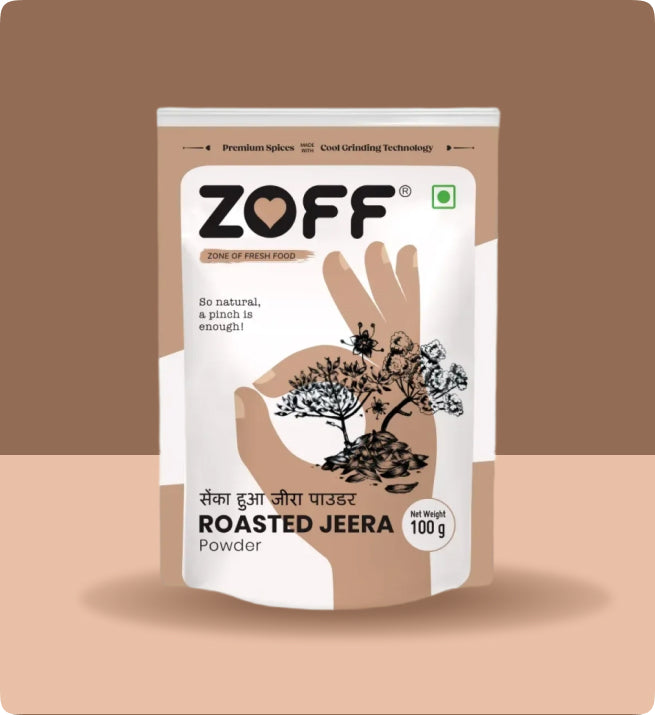
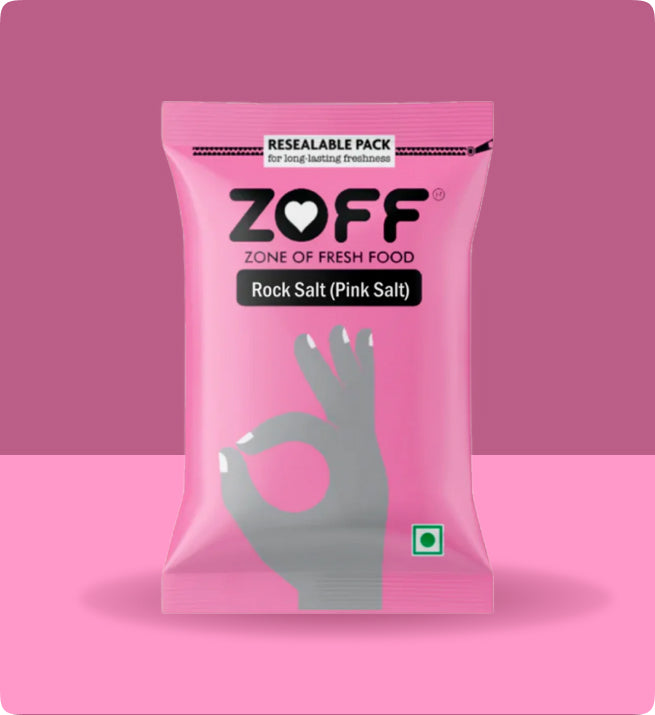
Open any Indian kitchen and you will find a small steel box, the masala dabba, holding turmeric, cumin, coriander, red chilli, and a handful of others. We reach for them for taste. But those same spices have been quietly doing something more for thousands of years: keeping us well. What Ayurveda treated as everyday wisdom, modern research is now measuring in clinical trials, and the results are surprisingly strong. Here are 11 health benefits of spices worth knowing, and how to actually get them.
What are Spices?
Spices are the dried seeds, bark, roots, and fruits of plants used to flavour food, think turmeric root, cinnamon bark, cumin seeds, or clove buds. Herbs, by contrast, come from the leaves. India grows and eats more spices than any country on earth, and most Indian spices are loaded with plant compounds called polyphenols, which is where much of their health power comes from. A pinch adds almost no calories but a surprising amount of nutrition.
11 Health Benefits of Spices
1. They fight inflammation: Curcumin, the yellow compound in turmeric (haldi), calms the same inflammatory pathways that many painkillers target. A 2024 review of knee arthritis patients found bioavailability-enhanced curcumin cut pain by around 30% compared with a placebo.
2. They help manage blood sugar: Cinnamon (dalchini) is one of the most studied spices for this. A landmark analysis of 10 clinical trials covering 543 people found it lowered fasting blood sugar by roughly 24 mg/dL. Fenugreek (methi) seeds show similar promise.
3. They ease nausea and aid digestion: Ginger (adrak) is a genuinely proven remedy, about 1 gram a day worked as well as vitamin B6 for pregnancy nausea in a 291-woman trial. Jeera and ajwain settle bloating and gas.
4. They support heart health: That same cinnamon research also showed drops in LDL (bad) cholesterol and triglycerides, and garlic (lehsun) is linked to healthier blood pressure. Small daily amounts, big long-term payoff.
5. They are antioxidant powerhouses: Cloves (laung), cinnamon, and oregano rank among the most antioxidant-rich foods we know of, mopping up the free radicals tied to ageing and everyday cell damage.
6. They strengthen immunity: Black pepper, tulsi, ginger, and turmeric all carry compounds that support the immune system, which is exactly why kadha and haldi doodh appear the moment someone catches a cold.
7. They improve gut health: Carminative spices like cumin, ajwain, and hing (asafoetida) help the digestive muscles relax and ease indigestion, the real reason they finish off so many Indian meals.
8. They give metabolism a nudge: Capsaicin, the heat in red chilli, can briefly raise the calories your body burns and may help curb appetite between meals. Black pepper and ginger are studied for gentle, similar effects, no magic, but a helpful edge alongside a good diet.
9. They act as natural preservatives: Long before refrigerators, spices like cloves, mustard, and turmeric kept food safe. Their antimicrobial oils slow the bacteria that cause spoilage.
10. They may protect the brain: Early research links curcumin to sharper memory and healthier ageing of brain cells, and saffron (kesar) has shown promise for supporting a healthy, balanced mood. It is one reason turmeric is being studied so closely for long-term cognitive health.
11. They cut your salt and sugar habit: This one is refreshingly practical: a well-spiced dish tastes complete without heaps of salt or sugar, which quietly helps both your heart and your waistline.
How Spices Help You On a Daily Basis
Here is the good news, you do not need supplements to get most of these benefits. Your everyday cooking already delivers them. A few small habits just make them work harder:
-
Pair turmeric with black pepper: Curcumin is poorly absorbed on its own, but the piperine in black pepper can boost how much your body takes in. A classic 1998 study reported a 2,000% jump (scientists say the exact figure still needs more testing, but the effect is real). A pinch of kali mirch in your haldi doodh is all it takes.
-
Add a little fat: Many spice compounds are fat-soluble, so a touch of ghee or oil helps you absorb them.
-
Bloom them first: A quick tadka in warm oil releases the aromatic, active oils that plain sprinkling never will.
-
Keep them fresh: Spices fade over time, so buy whole where you can, grind in small batches, and store them airtight and away from light.
The trick is not eating more spice. It is eating spice smartly and consistently, meal after meal.
So the bottom line is simple: the health benefits of spices are not a passing wellness trend. They are everyday science sitting quietly in your masala dabba. Cook with a good variety, store them well, and let every plate work a little in your favour.
Explore Other Blogs
Indian Spices List|Spices for Beginners|Indian Spice List|Spices Combos|Collection Page
Disclaimer: The information in this blog is for general informational purposes gathered from various sources. Zoff Foods does not guarantee specific health or nutritional outcomes. Please consult a qualified health professional for personalised dietary advice.
Z
ABOUT THE AUTHOR
ZOFF Foods
ZOFF Foods is built on the belief that great taste starts with great ingredients. With cool grinding technology and a focus on freshness, ZOFF brings authentic Indian flavours to every kitchen.
Cool-groundFresh spicesIndian flavours


 Sold out
 Sold out