Nobody argues about whether a ready-to-cook gravy saves time. The argument is always about flavour. Open any food forum and the same question comes up: can a ready-to-cook gravy taste homemade, or does everyone at the table just politely pretend?
Some ready-to-cook gravies come closer to homemade than most people expect. Others taste like they were designed by someone who has never stood over a stove long enough to know what slow-cooked onions smell like. The gap depends on what is inside the packet and what you do with it once you open it.
Key Takeaways
- Whether a packet gravy passes as homemade depends more on base ingredients and spice quality than on the brand name printed on the front.
- Texture and body are where most packets fall short, because a slow-cooked gravy builds structure from fat, onion solids, and time.
- A good packet gravy treated as a cooking base performs better than one heated through without attention.
- A quick home test with one portion tells you more about a product than any label claim.
What "Homemade" Actually Means When You Say It About Gravy
The Slow Build That Packets Try to Replicate
When most Indian home cooks say "homemade gravy," they mean a specific process. Onions go into hot oil or ghee and cook slowly until the colour deepens. Tomatoes break down into the onion base. Ginger-garlic paste releases its sharpness, then mellows. Ground garam masala or whole spices go in at the right moment so the heat opens the aromatics without burning them.
That sequence creates layers. A ready-to-cook gravy has to compress all of that into a packet that reconstitutes in minutes. Some manage it well. Plenty do not.
Why the Comparison Is Usually Unfair
Comparing a packet gravy to a Sunday afternoon cook that took ninety minutes sets the packet up to fail. A fairer comparison is the weeknight version: you get home at eight, the onion is half-chopped, and you need something on the table in thirty minutes. That rushed gravy is what a good ready-to-cook product actually competes with, and against that benchmark, the gap is smaller than most people assume.
Instant Gravy vs Homemade: Where the Gap Sits
Texture and Body
Texture is usually the biggest difference. A slow-cooked onion-tomato base has a body because the onion solids break down over time and the fat emulsifies naturally. Most packet gravies compensate with thickeners, which can produce a gravy that looks right but feels different in the mouth. Some sit too thick. Others go thin the moment you add water or vegetables.
A packet listing recognisable base ingredients (onion, tomato, oil, named spices) rather than a wall of stabilisers and emulsifiers tends to perform better on texture.
Aroma After Cooking
Aroma is where the ready-to-cook curry taste test gets interesting. Ground cumin, turmeric, and chilli powder lose their volatile oils fast when processed at high temperatures. A gravy made with spices ground above 60°C will smell noticeably flatter than one using spices processed at lower temperatures.
You will not see "grinding temperature" printed on any packet. But you can smell the difference after five minutes in a hot pan. A gravy that fills the kitchen with spice aroma while cooking was made with better raw material than one that smells like warm starch.
What to Look for in a Ready-to-Cook Gravy
The Ingredient List Tells You More Than the Label
Front-of-pack claims like "restaurant style" or "chef's recipe" do not mean much without ingredient transparency. Turn the packet over. A gravy built on onion, tomato, edible oil, and named spices is a better starting point than one where the first three ingredients are water, modified starch, and "permitted flavourings."
A packet that names coriander, cumin, turmeric, and red chilli individually tells you more than one that lists "mixed spices" and leaves you to guess.
Cooking Method Still Matters
A ready-to-cook gravy is a base, not a finished meal. Heat oil in a pan, add the gravy, let it cook for a few minutes so the spices bloom, then add your protein or vegetables. That step lets the spices reactivate and gives the gravy depth it cannot develop inside a sealed pouch.
Skip the microwave. A pan and a few minutes of patience close the gap between a packet and a pot more than any "premium" label on the front.
A 5 Minute Gravy Review You Can Do at Home
You do not need a food laboratory to judge a ready-to-cook gravy. Cook a small portion according to the packet instructions and pay attention to four things.
Aroma while cooking. Does the kitchen smell like spices warming up, or like nothing at all? Check the colour too. A natural gravy base produces a warm, slightly uneven colour. Artificially uniform bright orange is worth questioning.
Stir the gravy and watch how it behaves on the spoon. Real gravy coats the spoon and holds. Thickener-heavy gravies slide off or clump. Taste it on its own before adding salt or extra spices. If the gravy tastes like nothing until you doctor it, the packet was selling you convenience, not cooking.
Reheat a leftover portion. A gravy that separates or turns gummy was probably relying on modified starch rather than real onion and tomato solids. How a gravy holds up on day two tells you more than the label does. For a broader look at spice quality, read the guide to Indian spice blends and how to use them.
Conclusion
A weeknight dinner should not require ninety minutes at the stove, and a packet gravy should not require an apology.
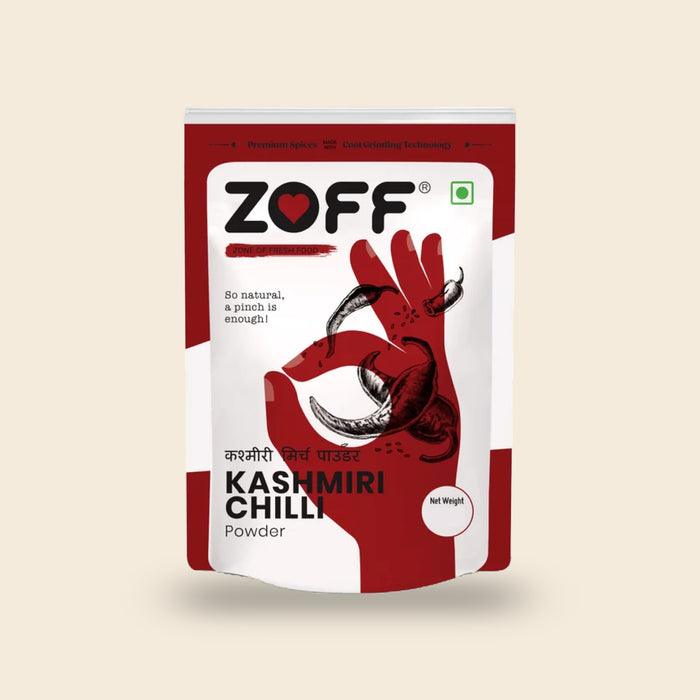
ZOFF's ready-to-cook gravies and marinades are built around recognizable ingredients and spices processed using cool grinding technology, keeping temperatures below 60°C so the volatile oils survive into the finished product. From the paneer gravy to the magic mix, the range is designed as a cooking base you build on. Explore the full range here.
Z
ABOUT THE AUTHOR
ZOFF Foods
ZOFF Foods is built on the belief that great taste starts with great ingredients. With cool grinding technology and a focus on freshness, ZOFF brings authentic Indian flavours to every kitchen.
Cool-groundFresh spicesIndian flavours


 Sold out
 Sold out
 Sold out