The Home Cook's Guide to 12 Essential Indian Spice Blends
Walk into almost any Indian kitchen and you'll find a steel box called the masala dabba, holding a rotating cast of spice blends that quietly do most of the heavy lifting. These aren't single spices but carefully balanced mixes, and once you get the hang of a few, weeknight cooking stops feeling like guesswork. Here are 12 essential Indian spice blends, what goes into them, and how to actually use them without overthinking it.
What are Spice Blends?

Spice blends, also referred to as mixed spices or masalas, are a fundamental component of Indian cooking. They are meticulously crafted mixtures of various ground spices and herbs, designed to enhance the taste, aroma, and colour of dishes. These blends are used to season, flavour, and transform a wide range of Indian recipes, from curries and biryanis to snacks and beverages.
The art of creating spice blends has been perfected over centuries in India, resulting in a multitude of regional variations. Each blend has its unique composition and purpose, making it an essential ingredient in the culinary tapestry of India.
Top 12 Indian Spice Blends You Should Know
1. Garam Masala
A warming mix of cardamom, cinnamon, cloves, cumin, and black pepper. Think of it as a finishing spice rather than a base. Stir a small spoonful into curries, dals, or sautéed vegetables in the last few minutes of cooking. Add it too early and the aroma fades.
2. Chaat Masala
Tangy and a little funky, thanks to amchur (dried mango powder) and black salt. Sprinkle it over fruit, fries, grilled corn, or a bowl of yogurt. A pinch wakes up almost anything that tastes a bit flat.
3. Tandoori Masala
Built for the grill. This red-tinged blend of paprika, ginger, garlic, and warming spices goes into a yogurt marinade for chicken, paneer, or cauliflower before you roast or barbecue.
4. Sambar Powder
The backbone of South Indian sambar, a lentil-and-vegetable stew. Roasted lentils, coriander, and dried chillies give it real body. Use it in any lentil dish that wants a deeper, earthier note.
5. Rasam Powder
Sharper and more peppery than sambar powder, made for rasam a thin, tangy tomato-and-tamarind soup. It's also lovely stirred into a simple broth when you're feeling under the weather.
6. Panch Phoron
A Bengali five-spice of whole seeds: fenugreek, nigella, cumin, mustard, and fennel. Don't grind this one. Crackle it whole in hot oil before adding your vegetables or fish.
7. Pav Bhaji Masala
The soul of Mumbai's buttery mashed-vegetable street food. It's bold and tangy, and it works beautifully in scrambled eggs or spiced potatoes when you want that street-cart kick at home.
8. Biryani Masala
A layered, aromatic blend with star anise, mace, and bay leaf. Save it for biryani and pulao, where it perfumes the rice and meat through slow, gentle cooking.
9. Chole Masala
Made for chickpea curry. Dried pomegranate seeds and amchur give chole its signature tang. Toss a little over roasted chickpeas for a quick, addictive snack too.
10. Kitchen King Masala
The all-rounder. If you're only going to buy one Indian spice mix to start, this is a safe bet. It suits mixed vegetable curries, paneer dishes, and everyday gravies without needing much else.
11. Goda Masala
A Maharashtrian blend with a hint of sweetness from coconut and sesame, plus the smoky note of dagad phool (stone flower). Reach for it in vegetable and lentil dishes from western India.
12. Curry Powder
Less traditional than most people assume it's really a Western take on Indian seasoning but handy for quick soups, marinades, and one-pot meals when you want gentle warmth in a hurry.
How to Use Indian Spice Blends Well
A few habits make all the difference. Bloom ground blends in a little hot oil or ghee for thirty seconds to release their aroma before adding other ingredients. Add finishing blends like garam masala near the end. Start with less than you think you need, taste, and build up. And store your blends in airtight jars away from heat and light, since ground spices lose their punch within a few months.
Once these become familiar, you'll start reaching for them on instinct a pinch here, a spoonful there and your cooking will taste unmistakably yours.
Explore Other Blogs
Spices Combo|Pure Spices|Indian Spices List|Beginner Spices|Home Cook Guide
Disclaimer: The information in this blog is for general informational purposes gathered from various sources. Zoff Foods does not guarantee specific health or nutritional outcomes. Please consult a qualified health professional for personalised dietary advice.
Frequently Asked Questions
1. What are the most essential Indian spice blends for beginners?
Garam masala, chaat masala, and a good all-purpose mix like Kitchen King masala cover most everyday needs. With just these three, you can flavour curries, snacks, and vegetable dishes confidently.
2. What is the difference between garam masala and curry powder?
Garam masala is a traditional warming finishing blend used across Indian regional cooking, while curry powder is a milder, turmeric-heavy Western invention designed for convenience. They aren't interchangeable, though both add warmth.
3. How long do Indian spice blends last?
Whole-seed blends like panchphoron keep their flavour for up to a year, while ground masala blends are best used within three to six months. Store them in airtight jars away from heat, moisture, and sunlight.
4. Can you make Indian spice blends at home?
Yes. Most blends are simply dry-roasted whole spices ground together. Homemade versions are fresher and more aromatic than store-bought, and you can adjust the heat and salt to your taste.
STOCK YOUR SPICE RACK
Everyday Powdered Spices for Flavourful Cooking
Turmeric Powder (Haldi): Essential Spice for Authentic Indian Cooking
 Sold out
Black Salt(Kala Namak)
Coriander/Dhaniya Powder
Red Chilli Powder/Lal Mirch Powder
 Sold out
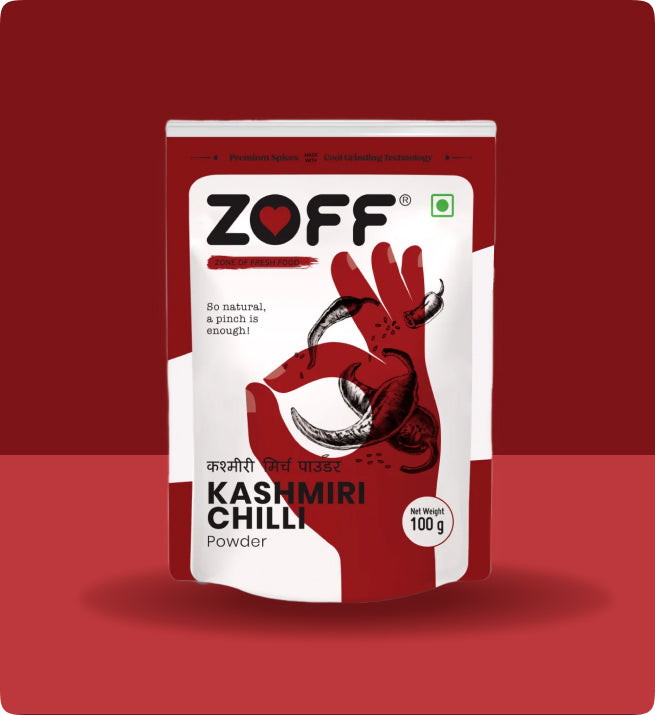
Kashmiri Chilli Powder: Authentic & Flavourful
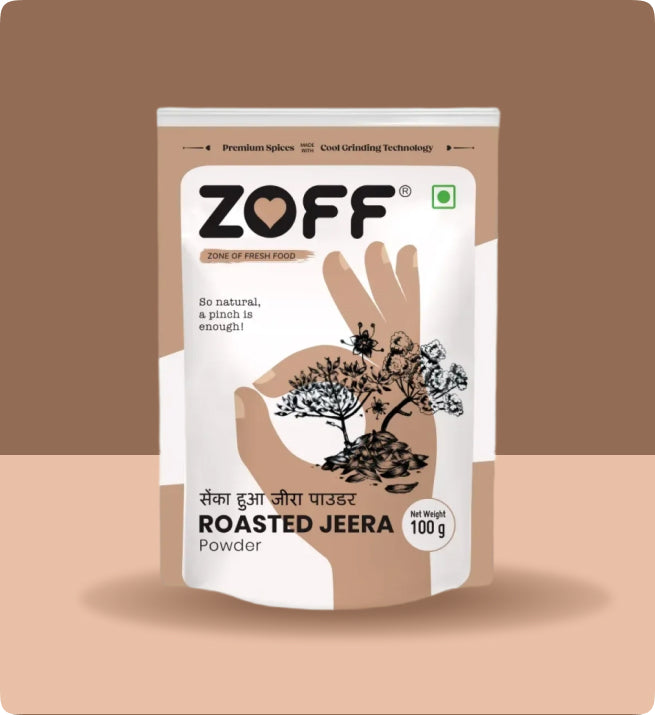
Roasted Cumin Powder (Bhuna Jeera): Spice for Rich Aroma & Flavour
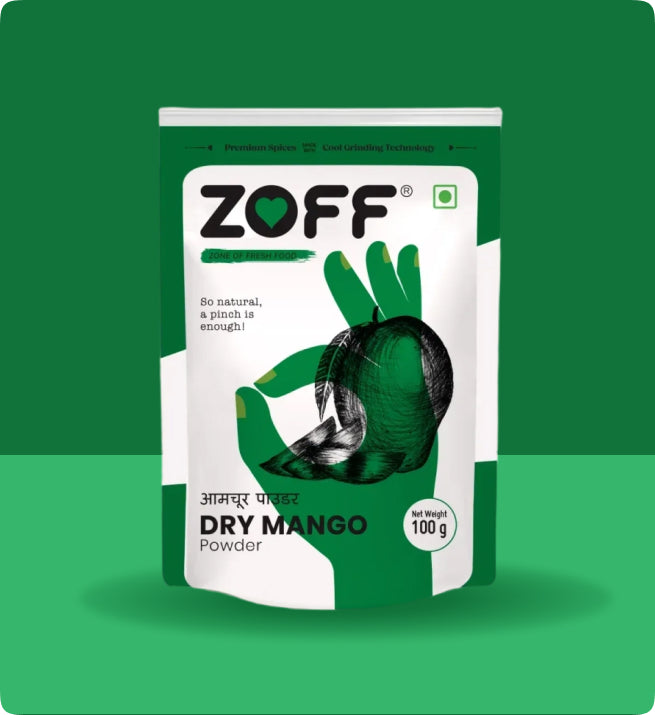
Amchur Powder (Dry Mango): Tangy Spice for Indian Cooking