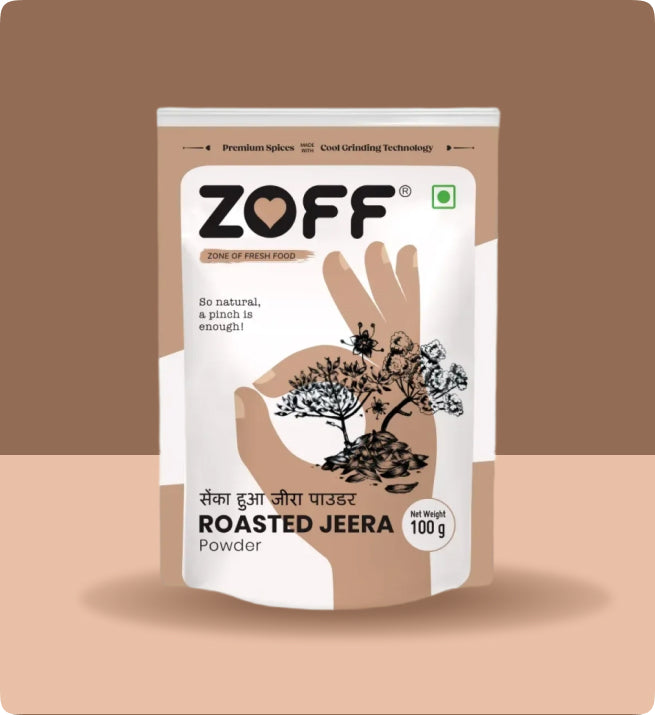
You buy turmeric expecting turmeric. But the bright yellow scoop in your kitchen may be carrying a lot more than flavour. Spice adulteration is one of the most common and most hidden forms of food fraud in India, and the scary part is that you usually can't spot it by looking. The good news? A handful of two-minute tests, using nothing more than a glass of water and things already on your shelf, can tell you whether your spices are pure or padded.
Here's a practical guide to checking spice purity at home, why it matters, and what to look for before you buy again.
What is Adulteration of Spices?
Adulteration of spices means adding cheaper, inferior, or outright unsafe substances to a spice to increase its weight, colour, or bulk while passing it off as the real thing. Sometimes it's relatively harmless filler like starch or rice flour. Often it's not. Common adulterants include brick powder and sand in chilli, metanil yellow (an industrial dye) and lead chromate in turmeric, papaya seeds in black pepper, sawdust in ground coriander, and synthetic colours to make dull powders look vibrant.
Food adulteration in spices is a real, measured problem. Between November 2024 and February 2025, FSSAI collected over 10,000 spice samples nationwide and flagged violations including excess lead in chilli powder, illegal colours in turmeric, and misleading labels on pepper and cardamom. In 2024, spice brands MDH and Everest faced recalls in Hong Kong and Singapore after regulators detected ethylene oxide, a carcinogenic pesticide, in some products. When even household names get caught, checking your own jars stops being paranoid and starts being sensible.
Why are Ground Spices Adulterated?
The simplest answer is money. Whole spices are hard to fake you can see a peppercorn or a dried chilli. But the moment a spice is ground into powder, its identity disappears into a uniform colour and texture. That's exactly where fraud creeps in.
Ground spices are adulterated because fillers like starch, chalk, and brick powder cost a fraction of real spice, yet add weight that gets sold at full price. Bright dyes hide poor-quality or old stock. Powders also travel through many hands farm, mill, wholesaler, packer and each stage is a chance for something cheap to be blended in. This is why "how to identify pure spices" almost always comes down to testing the powder, not trusting the label.
Tips to Check Adulteration of Spices at Home
You don't need a lab. These home tests for spice purity take minutes:
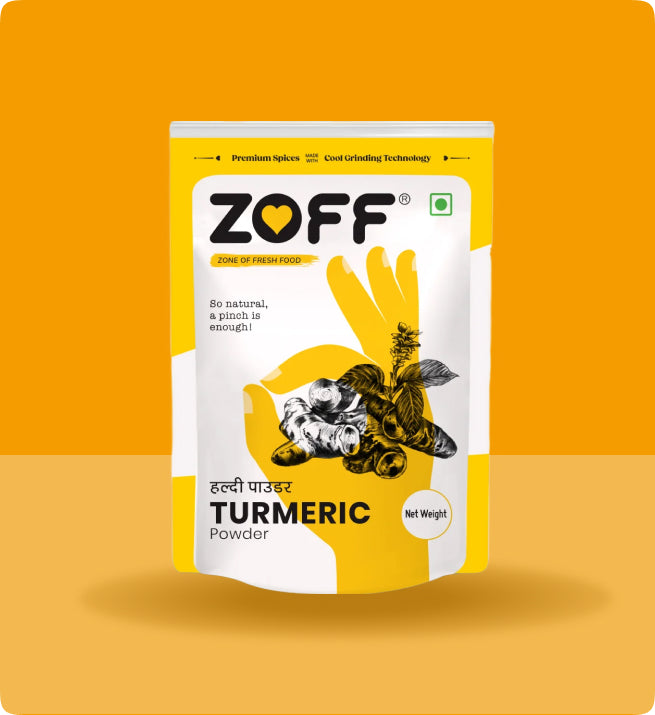
Turmeric (metanil yellow / lead chromate): Add half a teaspoon to a glass of room-temperature water. Pure turmeric settles and gently colours the water; artificial colour disperses immediately in bright streaks. For a sharper check, put a little turmeric on a white plate and add 2–3 drops of concentrated HCl (or lemon-strength acid) an instant magenta-pink means added dye.
Chilli powder (brick powder / dyes): Sprinkle a quarter-teaspoon onto a glass of water without stirring. Pure chilli floats then slowly sinks; brick powder and sand settle at the bottom as grit, while artificial red streaks bleed downward on their own.
Black pepper (papaya seeds): Press peppercorns between finger and thumbnail. Real pepper is hard and resists; papaya seeds crush or crumble easily and often look shrivelled.
Any powder (starch filler): Add a few drops of iodine (tincture from your first-aid kit) to a spoon of spice on a white plate. A blue-black colour reveals added starch or flour.
Coriander / cumin (sawdust): Stir into water. Genuine ground spice settles; sawdust and husk float on the surface.
These mirror the methods in FSSAI's DART (Detect Adulteration with Rapid Test) guide, its free at-home testing manual.
What Should You Check Before Buying Spices?
Prevention beats testing. Before you buy, favour whole spices over pre-ground where you can, and grind at home. Read the label for an FSSAI licence number, a clear ingredient list, batch number, and packaging/expiry dates. Be suspicious of colours that look too vivid to be natural and prices that seem too good deep discounts on "premium" spices are a classic red flag. Smell matters too: pure spices have a strong, characteristic aroma, while heavily adulterated ones smell flat. Buy sealed, branded packs from sellers who can vouch for their sourcing rather than loose powder of unknown origin.
What Can Spice Exporters Do?
For exporters, purity isn't just ethics it's market access. A single ethylene oxide or pesticide flag can trigger recalls across entire countries, as 2024 showed. Serious exporters invest in traceability from farm to pack, batch-level lab testing for heavy metals, aflatoxins, pesticide residues and banned dyes, and compliance with both FSSAI and destination-country limits (EU, US FDA, Singapore, Hong Kong). Steam sterilisation instead of chemical treatment, tamper-proof packaging, and transparent certificates of analysis build the trust that keeps global buyers coming back. At Zoff, this is exactly why we grind fresh, test every batch, and pack in a way that keeps spices pure from our facility to your kitchen.
Pure spices aren't a luxury they're the baseline your food and your health deserve. A glass of water is all it takes to start checking.
Explore Other Blogs
Indian Spices List|Spices for Beginners|Spices History|Indian Spice Blends|Spice Routes
Disclaimer: The information in this blog is for general informational purposes gathered from various sources. Zoff Foods does not guarantee specific health or nutritional outcomes. Please consult a qualified health professional for personalised dietary advice.
Z
ABOUT THE AUTHOR
ZOFF Foods
ZOFF Foods is built on the belief that great taste starts with great ingredients. With cool grinding technology and a focus on freshness, ZOFF brings authentic Indian flavours to every kitchen.
Cool-groundFresh spicesIndian flavours


 Sold out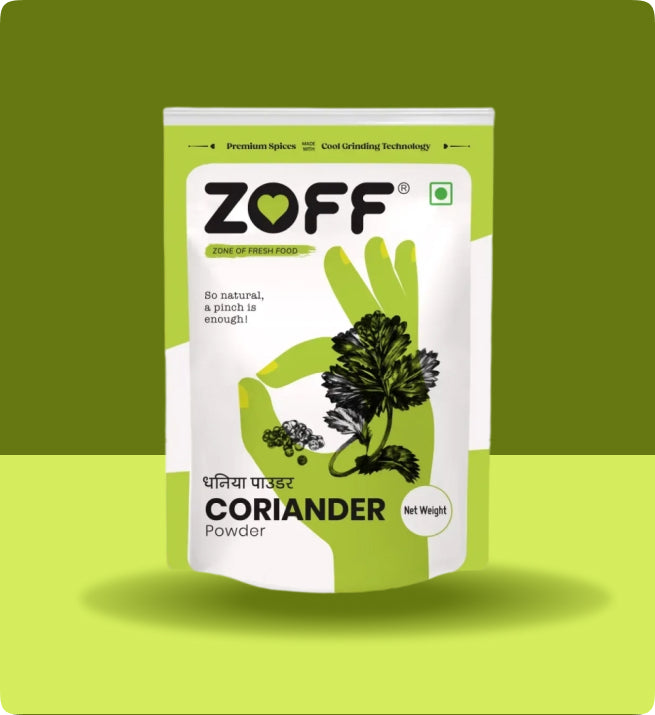
 Sold out