Jeera (Cumin): A Complete Guide to Its Uses and Health Benefits
Share
Ask any Indian grandmother about a bloated stomach and the answer is almost always the same: a glass of warm jeera water. That tiny, ridged seed has earned its place in our kitchens for centuries not just as a flavour, but as everyday medicine. This guide breaks down jeera uses and the research-backed health benefits of jeera, so you know why it deserves a spot in your daily routine.
Jeera (cumin) is a warming spice rich in iron and antioxidants. Its main benefits include better digestion, improved iron levels, weight-management support, and healthier cholesterol and blood sugar most of it backed by clinical studies.
What Is Jeera (Cumin)?
Jeera is the dried seed of Cuminum cyminum, a plant in the parsley family. India is the world's largest producer and consumer of cumin, and the spice sits at the heart of everything from a simple tadka to garam masala. It comes in two forms in most homes: whole seeds (sabut jeera) for tempering, and ground jeera powder for gravies. Both carry the same earthy, nutty warmth and the same nutrition.
Jeera Uses: From the Tadka to Your Water Glass
The cumin uses most people know are culinary. A pinch of jeera crackling in hot ghee is the base of dals, sabzis, rice and raitas across the country. Ground jeera deepens curries, marinades and chaat masala and dry-roasting it fresh before grinding makes the aroma jump a level.
But jeera uses go well beyond cooking:
Jeera water: Soak a teaspoon of seeds overnight, strain, and sip it warm in the morning the most popular home remedy for bloating.
Post-meal digestive: A pinch of roasted jeera powder over buttermilk (chaas) settles a heavy meal.
Spice blends & infusions: A backbone spice in garam masala, sambar powder and rasam, and a common addition to warm immunity drinks with ginger or ajwain.
Health Benefits of Jeera
Here's where the advantages of jeera get interesting because the science largely agrees with the tradition.
1. It genuinely helps digestion: Jeera stimulates digestive enzymes and bile, which helps your body break down food. In one clinical study, 57 patients with IBS reported noticeably improved symptoms after taking concentrated cumin for two weeks.
2. It's an iron powerhouse: Just one teaspoon of ground jeera delivers about 1.4 mg of iron roughly 17.5% of an adult's daily requirement. For vegetarians and anyone prone to low iron, that everyday sprinkle adds up.
3. It supports weight management: In a randomised trial, overweight adults taking a cumin supplement lost about 1.4 kg more than the placebo group over eight weeks. In another study, 88 women eating yogurt with 3 grams of cumin lost more weight than those eating plain yogurt.
4. It helps balance cholesterol and blood sugar: In a double-blind trial on 72 overweight adults, a cumin-and-lime group saw total cholesterol drop by around 18 mg/dL and LDL ("bad") cholesterol fall versus placebo, with better insulin sensitivity too.
5. It's loaded with antioxidants: Jeera contains terpenes, phenols and flavonoids that fight free-radical damage part of why Ayurveda values it as a gentle detox and anti-inflammatory spice.
A Simple Framework to Use Jeera Every Day
You don't need supplements to get the advantages of jeera. Use this easy 3-1-1 framework:
3 tempers a week: Start at least three home-cooked meals with a jeera tadka.
1 morning glass: Drink warm jeera water on an empty stomach most mornings.
1 finishing sprinkle: Dust roasted jeera powder over curd, chaas, salads or roasted veggies once a day.
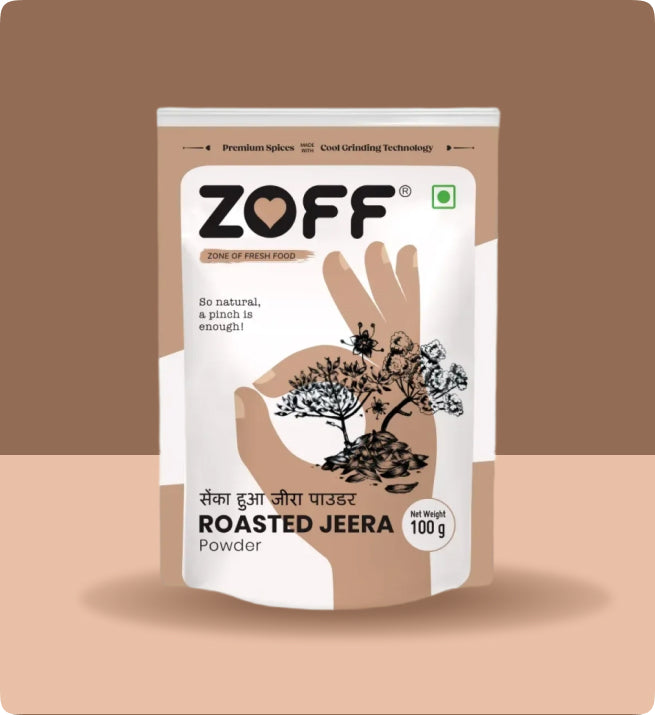
Small, consistent, no complicated routine. For the strongest aroma and nutrition, choose clean, whole seeds and grind them fresh the way Zoff sources and mills its jeera.
The Takeaway
Jeera is one of those rare ingredients where kitchen wisdom and modern research point the same way. Used as a tadka, a morning drink or a finishing sprinkle, this humble seed offers real, measurable advantages better digestion, more iron, and support for weight, cholesterol and blood sugar. Keep good-quality jeera within reach and let one of India's oldest spices do quiet, daily work for your health.
Disclaimer: The information in this blog is for general informational purposes gathered from various sources. Zoff Foods does not guarantee specific health or nutritional outcomes. Please consult a qualified health professional for personalised dietary advice.
Frequently Asked Questions
1. What are the main health benefits of jeera?
The key health benefits of jeera are improved digestion, higher iron intake, support for weight management, and better cholesterol and blood sugar levels many backed by clinical studies.
2. Is it good to drink jeera water every day?
Yes. For most healthy adults, a daily glass of jeera water is safe and may aid digestion, hydration and metabolism. It's best taken warm, on an empty stomach.
3. What is the difference between cumin and jeera?
There is none, jeera is the Hindi word for cumin. Both are seeds of Cuminum cyminum.
4. Can jeera help with weight loss?
Jeera isn't a magic fix, but studies show it can support modest weight loss and better lipid levels when paired with a balanced diet and active lifestyle.
5. How much jeera should I have in a day?
Around 1–3 grams (½ to 1 teaspoon) a day through food and jeera water suits most people. In culinary amounts jeera is very safe; those on diabetes medication should check with a doctor before taking high doses.
Z
ABOUT THE AUTHOR
ZOFF Foods
ZOFF Foods is built on the belief that great taste starts with great ingredients. With cool grinding technology and a focus on freshness, ZOFF brings authentic Indian flavours to every kitchen.


 Sold out
 Sold out
 Sold out