The tangy, lightly sweet besan kadhi that turns plain rice into a proper meal and an ordinary evening into something that smells like your aaji's kitchen.
Ask any Maharashtrian what comfort tastes like and someone will eventually say kadhi-bhaat. Not the fancy version. The everyday one thin, tangy, faintly sweet, poured hot over a mound of rice and eaten on a slow evening when nobody feels like making anything elaborate. It's the meal that happens when the fridge is half-empty but there's curd going sour and besan sitting in the dabba. Which, in most Maharashtrian homes, is always.
This is that kadhi. Not Gujarati (too sweet for us), not Punjabi (no pakoras here) the Marathi version, lighter and sharper, built around a tempering so fragrant the neighbours know exactly what you're making. It takes one bowl, four honest spices, and about twenty minutes. Here's how it's done at home.
There's a reason it turns up so often in the monsoon, when the air is damp and you want something warm, tangy and uncomplicated. Kadhi-bhaat asks nothing of you and gives back everything which is more or less the whole definition of comfort food.
What makes it Maharashtrian
A quick word before the recipe, because every region quietly insists theirs is the real kadhi. Maharashtrian kadhi is thinner and tangier than its Gujarati cousin, with only a whisper of sweetness just enough to round off the sourness, never enough to turn it into dessert. The soul of it is the phodni, the tempering: mustard seeds, jeera, a pinch of hing and curry leaves crackling in hot ghee. Get that right and the rest takes care of itself.
The recipe
You'll need (serves 3–4)
• 1 cup sour curd (the more sour, the better)
• 3 tbsp besan (gram flour)
• 2½ cups water
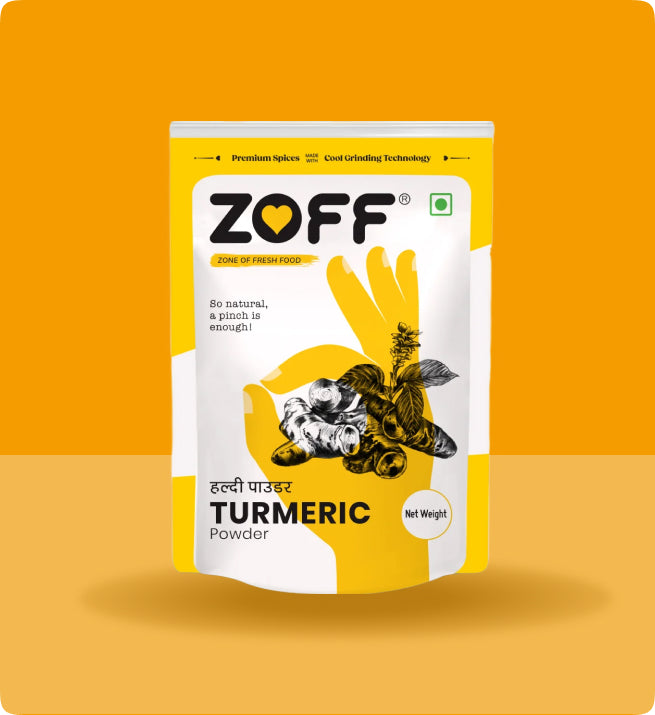
• ½ tsp Zoff Turmeric
• 1–2 green chillies, slit
• 1 tsp grated ginger
• 1 tsp sugar or a small piece of jaggery
• Salt, to taste
For the phodni (tempering)
• 1 tbsp ghee
• 1 tsp Zoff Mustard Seeds
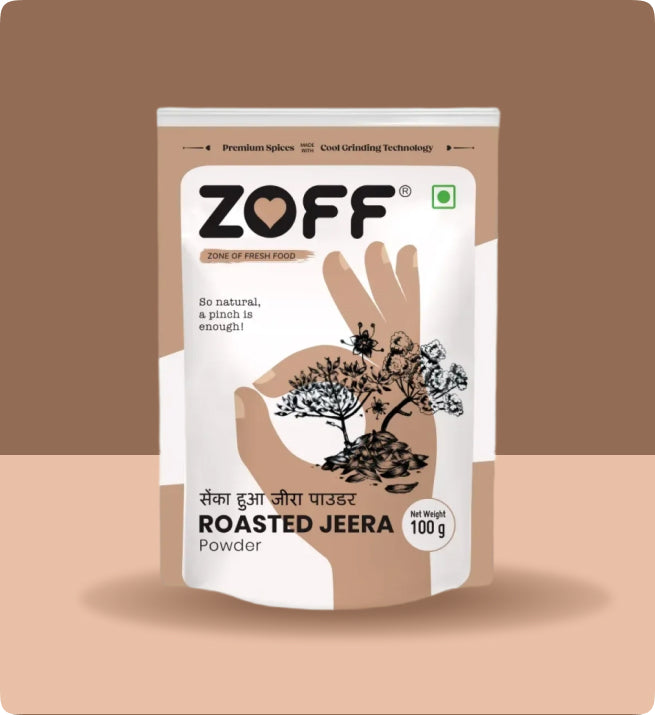
• 1 tsp Zoff Jeera
• 2 pinches Zoff Hing
• 8–10 curry leaves
• 1 dried red chilli
• A pinch of methi seeds (optional)
Make it
– Whisk the curd, besan, water, turmeric and salt together until completely smooth. No lumps lumpy kadhi is a crime aaji will not forgive.
– Pour into a pot, add the green chillies, ginger and sugar or jaggery. Bring to a boil on medium heat, stirring constantly so it doesn't split.
– Once it boils, lower the flame and simmer 10–12 minutes, stirring now and then, until it thickens slightly and loses the raw besan smell.
– For the phodni: heat ghee in a small pan. Add Mustard Seeds and let them splutter. Add Jeera, the methi (if using), dried red chilli and curry leaves.
– Turn off the heat and add Hing it blooms in the residual warmth so it doesn't burn.
The small things that matter
– Sour curd is non-negotiable. Fresh, sweet curd makes flat kadhi leave it out for a few hours if it isn't sour enough.
– Stir constantly until the first boil, or it splits and you're left staring at a sad, grainy pot.
– Add the hing off the heat. Hing burns fast, and burnt hing turns bitter a quiet pinch at the end is all you want.
– Serve it hot, immediately, over rice or with khichdi. Kadhi that sits and cools loses its whole personality.
Make it your own
Every Maharashtrian household has its own small tweak. Some swap the curd for taak (thin buttermilk) for an even lighter, more pourable kadhi. Others crush a few cloves of garlic into the phodni for the sharper, rustic version you'll find further inland. Want it thicker? Add another tablespoon of besan. Like it hotter? A second dried red chilli in the tempering does the job without upsetting the balance. None of these make it less authentic kadhi has always bent to whoever happens to be cooking it.
Kadhi-bhaat, the way it should be
That's it. No special equipment, no long shopping list, no afternoon lost to the stove. Just curd, besan, four honest spices, and a tadka that fills the whole house. The kind of food that doesn't try to impress anyone and somehow always does. Make it on a quiet evening, pour it over hot rice, and see if it doesn't taste a little like coming home.
Garam bhaat-avar ohta, ani sukhane jeva. (Pour it over hot rice, and eat in comfort.)
Explore Other Blogs
Modak Recipe|Poha Recipe|Baigan Recipe|Ganesh Chaturthi
Disclaimer: The information in this blog is for general informational purposes gathered from various sources. Zoff Foods does not guarantee specific health or nutritional outcomes. Please consult a qualified health professional for personalised dietary advice.
Z
ABOUT THE AUTHOR
ZOFF Foods
ZOFF Foods is built on the belief that great taste starts with great ingredients. With cool grinding technology and a focus on freshness, ZOFF brings authentic Indian flavours to every kitchen.
Cool-groundFresh spicesIndian flavours


 Sold out

 Sold out