What Is Cool Grinding Technology and Why Does ZOFF Use It
Share
If you have ever opened a fresh pack of spice and thought "this smells nothing like my grandmother's kitchen," the problem probably isn't the spice. It's the heat.
Most spice powders lose their soul on the factory floor, long before they reach your tadka. And the fix is quietly one of the most interesting stories in the Indian spice industry right now: cool grinding technology.
What is Cool Grinding Technology in Spices?
Cool grinding technology is a spice grinding technology that grinds whole spices at low temperatures typically below 60°C so the aroma, natural oils, and flavour compounds stay locked inside the powder instead of burning off as heat.
Here's the science in one line: the smell and taste of any spice live inside its volatile oils. "Volatile" is the key word these oils evaporate when they get hot. Grind a spice with a machine that heats up, and you are literally cooking away the flavour you paid for.
Traditional hammer mills spin so fast that friction pushes internal grinding temperatures to around 120°C. Research on conventional spice grinding records temperature rises anywhere from 42°C to 95°C depending on the spice. Cool grinding spices keeps things well under that threshold the point where flavour and aroma begin to break down.
Why Does The Temperature Matter So Much?
Because the losses are not small. Peer-reviewed studies comparing conventional (hot) grinding against low-temperature grinding found volatile oil losses like these:
Coriander: up to 40% of volatile oil lost
Nutmeg: around 37% lost
Caraway: about 32% lost
Cumin: roughly 23–24% lost
Cinnamon and oregano: about 17% each
Read that again. Nearly half the aroma of coriander can disappear as vapour before the powder is even packed. When grinding is kept cold, that same coriander holds on to its oils and in cumin trials, low-temperature grinding actually raised the signature cuminal dehyde content from 48.2% to 56.1%. More flavour compound, not less.
That is the entire argument for cool grinding technology for spices: you are not adding anything. You are simply refusing to destroy what nature already put there.
Why Does ZOFF Use Cool Grinding Technology?
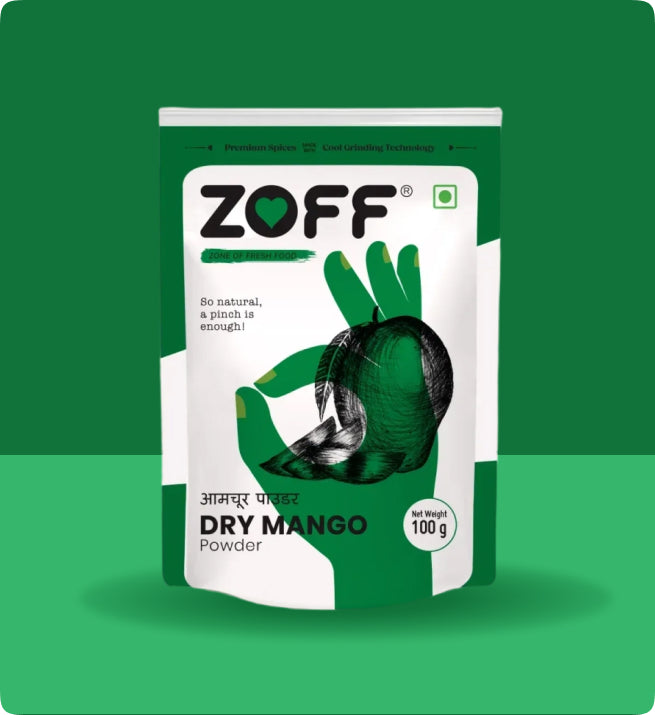
ZOFF built its whole product around this idea. The Raipur-based brand, founded in 2018 by brothers Akash and Ashish Agrawal, introduced what it calls India's first cool grinding technology when it launched in 2020.
The logic ZOFF works on is simple: spices start losing taste and aroma at around 60°C, so ZOFF cool grinding technology keeps the process below that line a world away from the roughly 120°C that conventional hammer mills reach. The result is a powder that tastes closer to a spice you ground fresh at home, right up until the moment it hits your pan.
It clearly resonated. ZOFF crossed ₹100 crore in annual revenue, reached 10,000+ retail stores, and pitched on Shark Tank India a rare scale-up story built almost entirely on how the spice is processed rather than a new secret recipe. The brand paired it with airtight, resealable zip-lock packs, because there is little point protecting aroma during grinding and then letting it escape in storage.
The Benefits of Cool Grinding
The benefits of cool grinding come down to four things you can actually taste and see:
Stronger aroma- the volatile oils survive, so the powder smells alive.
Truer flavour- you need less powder for the same punch.
More nutrients retained- heat-sensitive compounds and antioxidants aren't cooked off during processing.
A Quick Framework: the 60°C Test for Judging Any Spice
You can't stand in a factory, but you can judge the output. Use this simple checklist next time you buy ground spice:
Sniff test: Open the pack. A good cold-ground spice hits you immediately. A flat, faint smell suggests heat damage.
Colour test: Compare against a reference vivid red chilli or bright yellow-green coriander is a good sign; dull, brownish tones hint at overheating.
Quantity test: If you find yourself adding more and more powder to get flavour, the aroma oils were probably lost in grinding.
Label test: Look for terms like "cool ground," "cold ground," or a stated low-temperature process. Vague labels usually mean conventional milling.
Run those four checks and you'll spot the difference between a spice that was preserved and one that was punished.
The Bottom Line
Cool grinding technology isn't marketing jargon it's a genuine processing choice with measurable results, backed by decades of food-science research on volatile oils. Heat is the enemy of aroma, and grinding is where most of that damage silently happens. Brands like ZOFF use cool grinding because it protects the one thing you actually buy spices for: flavour that reaches your plate intact.
Disclaimer: The information in this blog is for general informational purposes gathered from various sources. Zoff Foods does not guarantee specific health or nutritional outcomes. Please consult a qualified health professional for personalised dietary advice.
Frequently Asked Questions
1. What is cool grinding technology?
Cool grinding technology is a spice-grinding method that keeps temperatures low typically below 60°C so the volatile oils that carry a spice's aroma and flavour aren't lost to heat. Conventional hammer mills can reach about 120°C, which burns off a large share of those oils.
2. Why does ZOFF use cool grinding technology?
ZOFF uses cool grinding technology because spices begin losing taste and aroma at around 60°C. By grinding below that temperature, ZOFF preserves the natural oils, colour, and nutrients, delivering a powder that stays close to fresh-ground quality until you cook with it.
3. What are the main benefits of cool grinding for spices?
The main benefits of cool grinding are stronger aroma, truer and more concentrated flavour, brighter natural colour, and better retention of heat-sensitive nutrients because the volatile oils and antioxidants aren't destroyed by grinding heat.
4. How much flavour does conventional (hot) grinding lose?
Studies on conventional grinding show volatile oil losses of up to about 40% for coriander, 37% for nutmeg, 32% for caraway, and 23–24% for cumin. Cool grinding sharply reduces these losses by keeping temperatures low.
5. Is cool grinding the same as cryogenic grinding?
They share the same principle grind cold to protect aroma but cryogenic grinding uses extremely low temperatures (often around −30°C using liquid nitrogen), while cool grinding keeps spices below the ~60°C flavour-degradation point without going that far. Both aim to retain more volatile oils than hot grinding.
6. Does cool grinding make spices more expensive?
Cool grinding can cost more to run than basic hammer milling, but because the powder is more aromatic and potent, you typically use less to get the same flavour which offsets much of the difference in everyday cooking.
Z
ABOUT THE AUTHOR
ZOFF Foods
ZOFF Foods is built on the belief that great taste starts with great ingredients. With cool grinding technology and a focus on freshness, ZOFF brings authentic Indian flavours to every kitchen.


 Sold out
 Sold out
 Sold out