Bhuna is one of those words you hear in every Indian kitchen but rarely see explained. Ask any home cook why their mutton tastes deeper than the restaurant next door, and the answer is almost always the same, "bhuna theek se hua hai." So what exactly happens when you bhuna, and why does it matter so much for mutton?
What Is Mutton Bhuna Cooking?
Bhuna comes from the word meaning "to fry" or "to roast." In practice, bhuna cooking is the slow, patient process of frying masala and meat together over medium heat until the moisture evaporates and the spices release their oil. You are not boiling. You are not steaming. You are coaxing flavour out by repeatedly stirring the masala until it thickens, darkens, and starts leaving the sides of the pan, the classic oil-separating moment cooks look for.
Mutton bhuna, then, is mutton cooked in this concentrated masala until every piece is coated in a thick, clinging gravy rather than a thin curry. This is the core difference between bhuna and a regular curry, a curry keeps its liquid, while bhuna deliberately cooks it away so the masala turns dense and glossy. The technique traces back centuries to Mughlai kitchens, where slow-frying built depth without shortcuts. The reason it works is chemistry. Heat drives the Maillard reaction, the same browning that makes seared meat and toasted bread taste rich. When onions, ginger, garlic and mutton brown together, hundreds of new flavour compounds form. That is the science behind that deep, restaurant-style taste.
Mutton Bhuna Nutrition
Mutton is more than flavour. A 100g serving of cooked mutton delivers roughly 25g of protein, along with iron, zinc, vitamin B12 and selenium. Because bhuna uses less water and more spice, you get concentrated nutrition per bite. A typical home-style serving of around 150g carries roughly 250 to 300 kcal, 22 to 26g protein, 16 to 20g fat depending on the oil, and just 4 to 6g of carbs. The spices are not passengers either. Turmeric brings curcumin, cumin supports digestion, and red chilli adds capsaicin. That protein figure matters more than most people realise, a single 150g serving covers close to half an average adult's daily protein need. Keep the oil moderate and mutton bhuna becomes a genuinely protein-dense, low-carb meal.
Ingredients
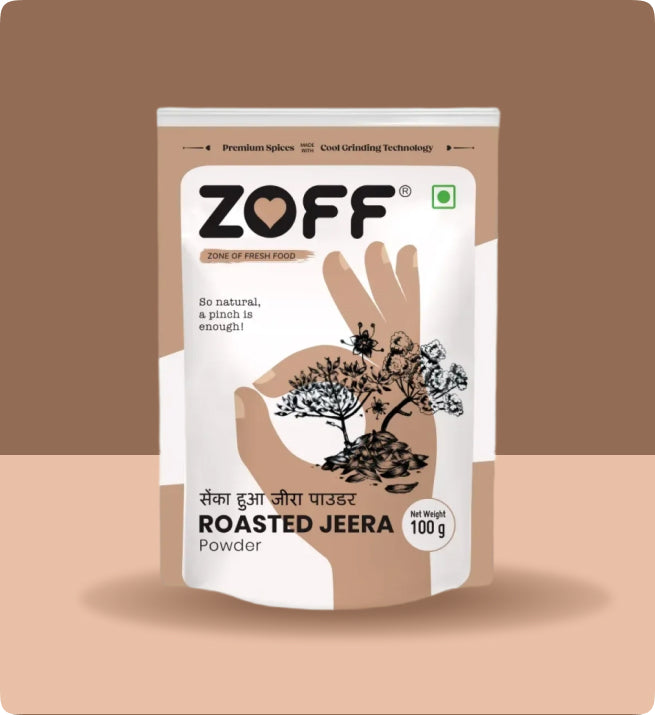
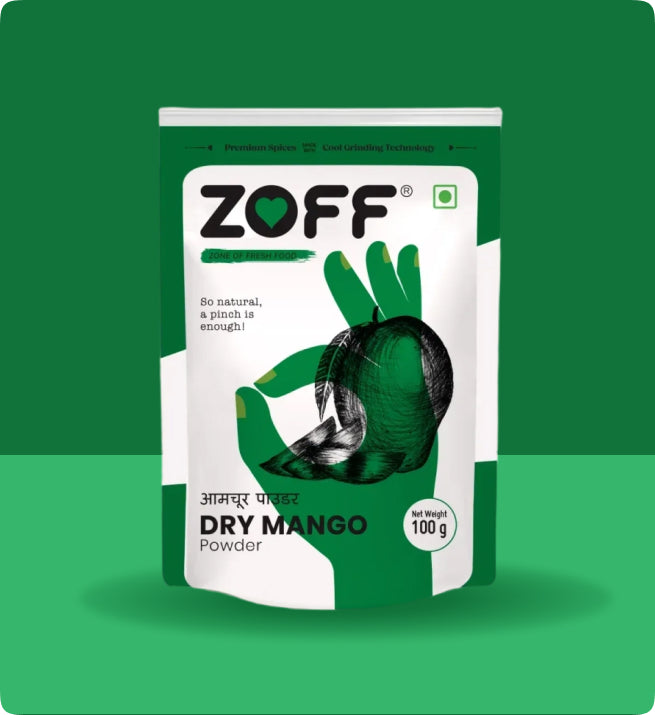
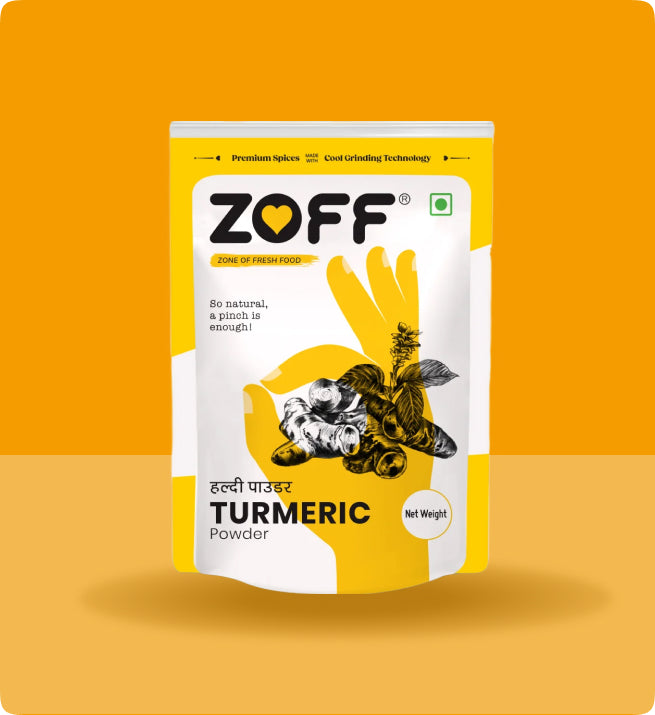
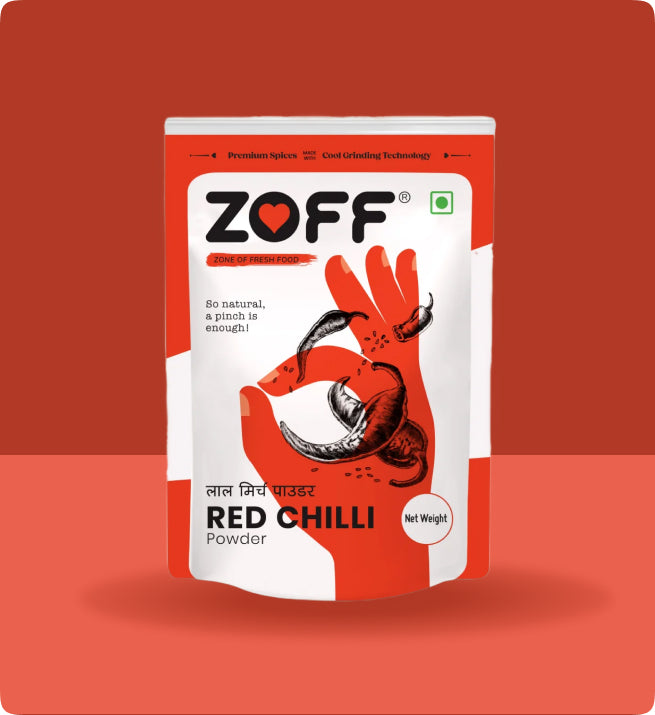
Here is what a classic mutton bhuna needs. For the meat: 500g mutton, bone-in for flavour, two large onions sliced, one tablespoon ginger-garlic paste, two chopped tomatoes, three to four tablespoons of oil or ghee, and salt to taste. For the bhuna masala, your mutton bhuna spices are one teaspoon turmeric, one and a half teaspoons red chilli powder, one tablespoon coriander powder, one teaspoon cumin powder, one teaspoon garam masala, and whole spices, bay leaf, cinnamon, cloves and green cardamom.
Total cooking time is about 60 to 75 minutes on a stovetop, or 25 to 30 minutes in a pressure cooker. The bhuna stage itself, the part that cannot be rushed, takes a solid 15 to 20 minutes of active stirring.
How to Make Mutton Bhuna
Now, how to make bhuna masala and the dish itself. Heat the oil and add whole spices until they crackle. Fry the onions until deep golden, not pale, not burnt, because this is your flavour base. Add ginger-garlic paste and cook till the raw smell disappears. Add the mutton and sear on high heat for five to seven minutes to lock in the juices. Add the powdered spices and tomatoes, and now the real bhuna begins. Stir continuously on medium heat, adding a splash of water only when the masala threatens to stick. Keep bhuna-ing until the oil separates and the masala hugs the meat, this is the moment everything turns on. Cover and slow-cook, or pressure-cook, until the mutton is fork-tender. Finish with a pinch of garam masala and fresh coriander.
Tips for the Best Mutton Bhuna
A few tips separate a good bhuna from a great one. Do not rush the onions, because undercooked onions mean a flat curry. Use bone-in mutton, as the marrow adds a richness no boneless cut can match. Think of bhuna as rounds of stirring, not one long stir, let the masala catch slightly, then deglaze with a spoon of water. Fresh, home-ground whole spices beat old packet masala every time, and a reliable ready blend like ZOFF mutton masala saves time without losing depth. Rest the dish ten minutes before serving so the flavours settle.
Serving Suggestions
Mutton bhuna is thick and intense, so it pairs beautifully with simple carriers. Serve it with hot tandoori roti, laccha paratha, or plain steamed rice. A side of sliced onions, green chilli and lemon cuts through the richness. For a fuller spread, add a cooling boondi raita and crisp papad.
Bhuna, in the end, is not a recipe. It is a technique. Master the patience of slow-frying masala until the oil separates, and almost any mutton curry you make will carry that deep, dhaba-style taste. The secret was never a hidden ingredient. It was always the bhuna.
Explore Other Blogs
Instant Mutton Gravy|Bachelor Gravies|Weekly Gravy Meal Prep|Ready to Cook Remix|Non Veg Masala Dishes
Disclaimer: The information in this blog is for general informational purposes gathered from various sources. Zoff Foods does not guarantee specific health or nutritional outcomes. Please consult a qualified health professional for personalised dietary advice.
Z
ABOUT THE AUTHOR
ZOFF Foods
ZOFF Foods is built on the belief that great taste starts with great ingredients. With cool grinding technology and a focus on freshness, ZOFF brings authentic Indian flavours to every kitchen.
Cool-groundFresh spicesIndian flavours


 Sold out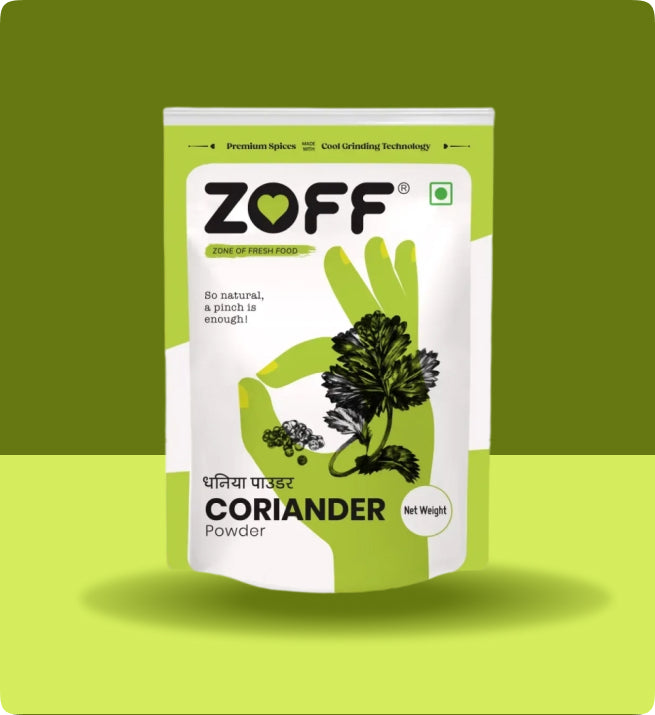
 Sold out