Shahi Paneer Masala Recipe: Ingredients, Restaurant-Style Tips, and the Right Masala Powder
Share
Shahi paneer has somewhere between twelve and fifteen spices in it, depending on whose recipe you follow. Most people measure each one out once, decide it was too much work for a Tuesday, and order in for the next several months. A good paneer masala powder cuts that spice list in half. One spoonful replaces the cardamom, cinnamon, nutmeg, cloves, and everything else that makes the gravy taste expensive. This shahi paneer masala recipe uses the powder to keep things manageable, with tips for getting that creamy, restaurant-style finish at home.
What Makes Shahi Paneer Different
The word "shahi" means royal, and the dish comes from Mughal court kitchens where cooks built curries around cashew paste, cream, and ground spices rather than the tomato-onion base most paneer curries rely on today. The spices run richer: nutmeg, mace, saffron, green cardamom, and sometimes kewra water. A standard paneer curry leans on turmeric and chilli for flavour. Shahi paneer leans on warming aromatics, which is why the masala blend matters more here than in practically any other paneer dish. If the blend is flat, the gravy tastes like cream and nothing else.
Shahi Paneer Masala Recipe
This recipe serves four and takes about 30 minutes. The masala powder handles most of the spice work.
Ingredients
Ingredient
Quantity
Notes
Paneer
200g, cubed
Fresh paneer holds shape better in gravy
Onion
1 medium, roughly chopped
Yellow or white, not purple
Cashews
10-12
Soaked in warm water for 10 minutes
Ghee
2 tablespoons
Butter works, but ghee gives a cleaner flavour
Ginger-garlic paste
1.5 teaspoons
Shahi paneer masala powder
1.5 to 2 teaspoons
Or garam masala plus a pinch of nutmeg
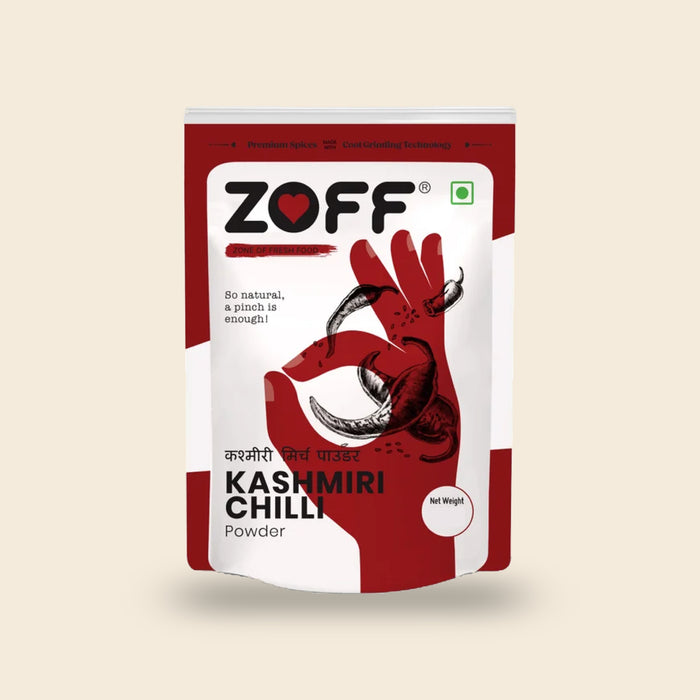
Kashmiri red chilli powder
1/2 teaspoon
For colour without too much heat
Turmeric powder
1/4 teaspoon
Yogurt
1/2 cup, whisked
Full-fat, at room temperature
Water
3/4 cup
Cream
2 tablespoons
Stirred in after the heat is off
Saffron
A pinch
Soaked in 1 tablespoon warm milk
Salt
To taste
Method
Boil the onion and cashews in water for 5 minutes until soft. Drain, cool, and blend into a smooth paste with 2 to 3 tablespoons of water.
Heat the ghee in a heavy pan on medium. Add the ginger-garlic paste and cook for a minute until the raw smell goes.
Add the onion-cashew paste. Cook on low heat for 4 to 5 minutes, stirring often, until the paste turns a shade darker and smells sweet.
Add the Kashmiri chilli powder, turmeric, and shahi paneer masala powder. Stir for about 30 seconds so the spices cook into the fat.
Lower the heat. Add the whisked yogurt in two batches, stirring constantly so it does not split.
Pour in the water. Bring to a gentle simmer and cook covered for 8 to 10 minutes until the gravy thickens and oil begins to separate at the edges.
Add the paneer cubes. Cook for 2 minutes, no longer. Overcooking turns paneer rubbery.
Turn off the heat. Stir in the cream and saffron milk. Cover and let it rest for 5 minutes before serving with naan, paratha, or jeera rice.
Tips for Restaurant-Style Shahi Paneer
Sauté the onion-cashew paste in ghee before adding anything else. The browning adds a sweetness you cannot get from boiling, and it gives the gravy body and colour.
Whisk the yogurt completely smooth before it goes in, and keep the flame low. High heat curdles yogurt within seconds. Once it splits, the gravy looks grainy and there is no fixing it.
Cook the paneer for two minutes at most. Restaurant paneer feels soft because kitchens barely warm it through. Home cooks tend to leave it simmering much longer, and it shows.
Add the masala powder to the hot paste, not at the end. Contact with fat is what releases the cardamom and nutmeg aromatics. Sprinkling dry masala over a finished gravy does almost nothing.
Saffron and cream go in after the heat is off. Heat breaks down saffron's flavour compounds and can turn cream grainy.
What Goes Into Shahi Paneer Masala Powder
A paneer masala powder typically starts with Kashmiri chilli for colour, coriander for body, and turmeric for warmth. What makes it a shahi blend is the second layer: green cardamom, cinnamon, cloves, nutmeg, mace, and dried ginger. Nutmeg and mace are the ingredients that push the gravy from an everyday paneer curry into something that smells like it came out of a restaurant kitchen.
A garam masala has some of these, but in different proportions, and it usually skips the mace entirely. A sabji masala works for mixed vegetables but runs thinner on the warming aromatics that paneer needs, because paneer on its own is bland and takes on whatever flavour surrounds it.
If your paneer masala powder smells mainly like chilli and coriander when you open the packet, the warming spices have either evaporated during grinding or were never there in enough quantity to begin with.
How to Pick a Shahi Paneer Masala That Works
The ingredients list only tells you part of the story. A blend that names cardamom, nutmeg, and mace on the label but was ground in a conventional mill above 100°C has already lost the volatile oils from those spices before it reaches your kitchen.
A few things to check before buying:
Smell: If you open the packet and get nothing but generic heat, the aromatics are gone. A good shahi paneer masala should smell like cardamom and warm spices before it touches oil.
Ingredient transparency: "Spices" on its own is not an ingredient list. Look for the individual spices named, ideally in order of proportion.
Manufacturing date: Paneer masala powder is a blended spice, and blended spices lose potency faster than whole spices. A packet that has been on a shelf for over a year will not perform the way it did when it was ground.
Try ZOFF Shahi Paneer Masala
If the masala has lost its oils before you open the packet, no amount of technique saves the gravy. ZOFF (Zone of Fresh Foods) grinds its Shahi Paneer Masala using cool grinding technology below 60°C, keeping the cardamom, nutmeg, and clove oils where they belong. Seventeen individually sourced ingredients in resealable zip-lock packaging. Browse the full blended spices range on the ZOFF website and try it the next time you make shahi paneer at home.
Disclaimer:The information in this blog is for general informational purposes gathered from various sources. Zoff Foods does not guarantee specific health or nutritional outcomes. Please consult a qualified health professional for personalised dietary advice.
Frequently Asked Questions
Can I Make Shahi Paneer Without Masala Powder?
Yes. Measure out garam masala, Kashmiri chilli, turmeric, nutmeg, and cardamom separately. A pre-mixed paneer masala powder saves that step and has the ratios balanced for paneer curries specifically.
What Is the Difference Between Shahi Paneer and Paneer Butter Masala?
Shahi paneer uses a cashew or almond paste with yogurt and cream, and relies on warming spices like nutmeg and mace. Paneer butter masala uses a tomato-based gravy with butter and cream, leaning more on Kashmiri chilli for colour. The flavour profiles are noticeably different.
How Much Shahi Paneer Masala Should I Use?
Start with 1.5 teaspoons for a dish serving four. Add it to the hot ghee or paste before the yogurt, so the spices get proper contact with fat and release their aroma. Adjust up to 2 teaspoons for a stronger flavour.
Why Does My Shahi Paneer Taste Different From Restaurants?
Usually one of three things: the paneer was cooked too long and turned rubbery, the yogurt curdled because the heat was too high, or the masala had lost its aroma before you started cooking. Restaurant kitchens work through fresh spice blends quickly, which is why the flavour hits differently.
Can I Use Shahi Paneer Masala in Other Dishes?
It works in any creamy gravy: malai kofta, navratan korma, cashew-based vegetable curries. For paneer tikka or dry starters, a yogurt marinade with individual spices works better. ZOFF also makes a Paneer Tikka Magic Mix for that.
Z
ABOUT THE AUTHOR
ZOFF Foods
ZOFF Foods is built on the belief that great taste starts with great ingredients. With cool grinding technology and a focus on freshness, ZOFF brings authentic Indian flavours to every kitchen.


 Sold out
 Sold out