Which Indian Spices Are Good for Digestion: A Complete Guide
Share
The best Indian spices for digestion are ginger (adrak), cumin (jeera), fennel (saunf), ajwain (carom seeds), turmeric (haldi), coriander (dhania), and asafoetida (hing). These digestive spices work as carminatives and antispasmodics they trigger digestive enzymes, relax the smooth muscle of the gut, and speed up how quickly food leaves the stomach. The result is less bloating, less gas, and smoother digestion.
Every Indian kitchen is quietly stocked with a digestion toolkit. That pinch of jeera in your dal, the saunf bowl at the restaurant exit, your grandmother's ajwain water for a heavy stomach none of it is accidental. Long before "gut health" became a wellness buzzword, Indian households were reaching for spices to settle the stomach. Modern research is now catching up to what the kitchen already knew. Here's the science, spice by spice.
Quick Reference: Indian Spices for Digestion
Spice
Indian Name
Best for
Active Compound
Ginger
Adrak
Slow digestion, nausea
Gingerol
Cumin
Jeera
Gas, sluggish gut
Cuminaldehyde
Fennel
Saunf
Bloating, cramps
Anethole
Ajwain
Carom Seeds
Gas, Acidity
Thymol
Turmeric
Haldi
Inflammation, bile flow
Curcumin
Coriander
Dhania
Bloating, appetite
Linalool
Asafoetida
Hing
Gas, IBS-type discomfort
Ferulic acid
Ginger (Adrak): the Stomach's Accelerator
Ginger's superpower is gastric emptying how fast your stomach clears food into the intestine. In one controlled study, healthy volunteers who took ginger emptied their stomachs in roughly half the time of those on a placebo (about 13 minutes versus 27). For anyone who feels food "just sitting" after a meal, that's the exact mechanism at play. Ginger also calms nausea, which is why a cup of adrak wali chai feels so settling.
Cumin (Jeera): the Everyday Digestive
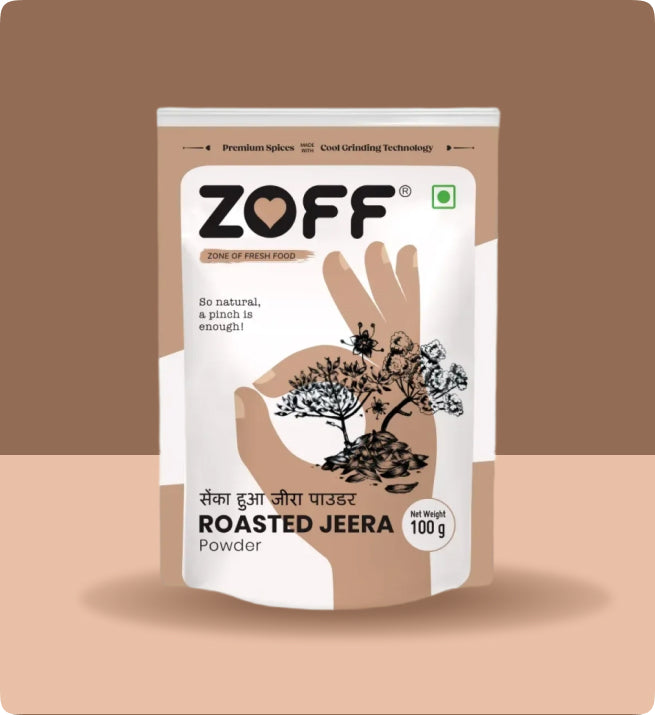
Jeera is the workhorse of Indian digestion. It stimulates the release of digestive enzymes and bile, helping break food down more completely. In a clinical trial of 57 people with IBS, concentrated cumin noticeably eased symptoms within two weeks. A separate study on post-surgery patients found cumin helped restore normal bowel movement faster, with gas passing in about 9 hours versus nearly 12 on placebo. Toasted jeera steeped in warm water is one of the simplest post-meal fixes.
Fennel (Saunf): the Bloating Specialist
There's a reason saunf sits by the door of every restaurant. Its active compound, anethole, relaxes gut muscle and eases cramping. In one trial, a fennel-and-turmeric combination cut IBS symptoms including bloating and abdominal pain by an average of 48% over 30 days. Fennel water is also the traditional base of the gripe water used to calm infant gas.
Ajwain (Carom Seeds): Fast Relief for Gas
Ajwain is arguably the most pharmacologically active carminative in the Indian kitchen. Its thymol content up to 50% of its essential oil stimulates enzyme secretion and relaxes intestinal muscle, releasing trapped gas, often within 20 to 30 minutes. It's the classic grandmother's remedy for a bloated, gassy stomach, and it holds up to scrutiny.
Turmeric, Coriander & Hing: the Supporting Cast
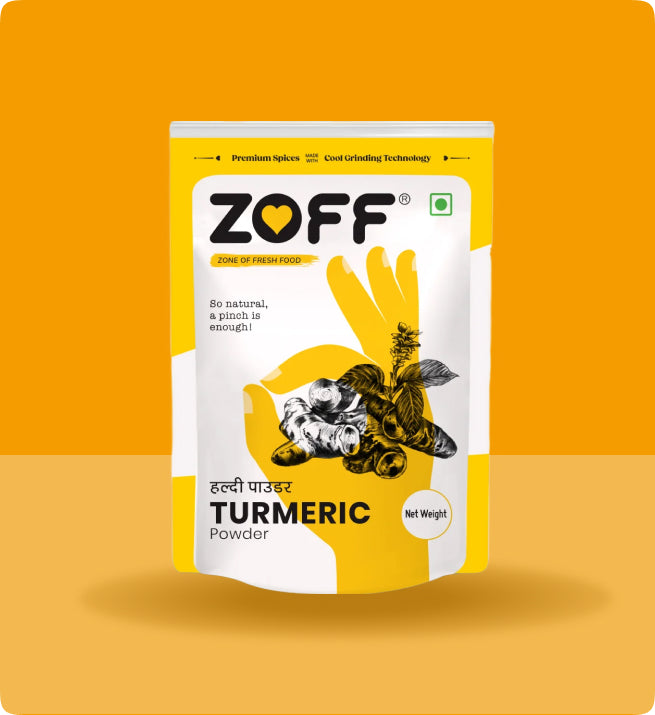
Turmeric (haldi) stimulates bile release, which helps digest fats, while its curcumin lowers gut inflammation. Coriander (dhania) eases bloating and gently stimulates appetite. Asafoetida (hing) that pinch in your dal tadka is a potent anti-gas spice, which is exactly why it's paired with notoriously gassy foods like rajma and chana.
How Indian Spices Actually Improve Digestion
Most digestive spices work through three simple mechanisms:
Carminative action: they help expel gas and reduce fermentation in the gut (ajwain, hing, fennel).
Antispasmodic action: they relax the smooth muscle lining the gut, easing cramps (fennel, cumin, peppermint).
Enzyme & bile stimulation: they help the body break food down faster and more completely (jeera, haldi, ginger).
Which Spice For Which Problem: A Simple Framework
Bloating & gas → ajwain or fennel water after meals
Heavy, slow digestion → ginger before or with food
Rich, oily meals → turmeric plus a pinch of hing while cooking
General gut maintenance → a daily jeera–saunf blend
The 2-minute after-meal ritual: dry-roast equal parts jeera, saunf, and ajwain, keep a small jar handy, and chew half a teaspoon after heavy meals or steep it in warm water. It's the mukhwas tradition, minus the sugar.
A Quick Note On Safety
Spices support digestion; they don't replace medical care. In normal cooking amounts they're safe for most people, but if you have a chronic gut condition, are pregnant, or take regular medication, check with a doctor before using concentrated doses.
Disclaimer: The information in this blog is for general informational purposes gathered from various sources. Zoff Foods does not guarantee specific health or nutritional outcomes. Please consult a qualified health professional for personalised dietary advice.
Frequently Asked Questions
1. Which Indian spice is best for digestion?
Ginger, cumin (jeera), fennel (saunf), and ajwain are among the best Indian spices for digestion. Ginger speeds up how fast the stomach empties, while jeera, saunf, and ajwain act as carminatives that relieve gas and bloating.
2. Which spices are good for bloating and gas?
Ajwain (carom seeds), fennel (saunf), and asafoetida (hing) are the most effective spices for bloating and gas. They relax gut muscles and reduce fermentation, often easing trapped gas within 20 to 30 minutes.
3. Can spices improve gut health?
Yes. Spices like turmeric, ginger, and cumin support gut health by stimulating digestive enzymes, improving bile flow, and lowering gut inflammation. They work best as part of a balanced, fibre-rich diet.
4. How do I use Indian spices for digestion?
The simplest methods are warm spice water or chewing dry-roasted seeds after meals. A blend of jeera, saunf, and ajwain steeped in warm water is a traditional and effective post-meal digestive aid.
5. Is jeera water good for digestion?
Yes. Cumin (jeera) water stimulates digestive enzymes and bile, helping break down food and ease gas. Studies suggest concentrated cumin can reduce IBS-type symptoms within about two weeks.
Z
ABOUT THE AUTHOR
ZOFF Foods
ZOFF Foods is built on the belief that great taste starts with great ingredients. With cool grinding technology and a focus on freshness, ZOFF brings authentic Indian flavours to every kitchen.


 Sold out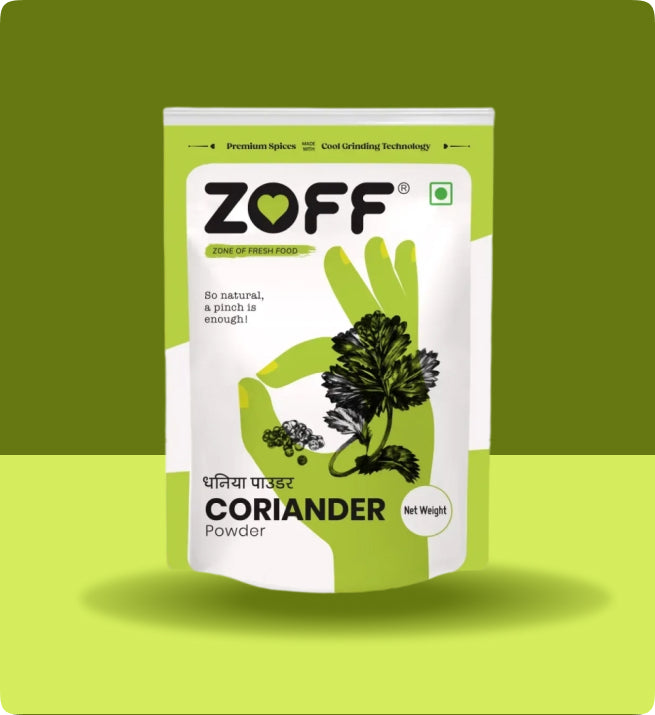
 Sold out