Walk into any grocery store, and you will find at least five or six brands of biryani masala on the shelf. The packets look similar, the names sound similar, and the price difference between them can be marginal. So how do you choose?
Most people pick by habit, brand loyalty, or whatever is on sale. But not all biryani masala powder is the same. The blend, the grinding method, the freshness, and even the ratio of whole spices to fillers can vary dramatically from one brand to the next. The result shows up in your biryani: either as a fragrant, layered dish that smells as good as it tastes, or as a flat, one-note curry that missed the mark.
Key Takeaways
- A good biryani masala should list whole spice ingredients (cardamom, mace, star anise, saffron or kewra) near the top, not fillers or flavour enhancers.
- The first test is aroma. Open the packet and smell it. A quality biryani masala has a complex, fragrant scent dominated by cardamom and warm spices, not just chilli heat.
- Shahi biryani masala differs from regular biryani masala in its higher proportion of premium aromatics (mace, saffron, nutmeg, rose petals).
- Always check the FSSAI licence, manufacturing date, and ingredient list. Avoid blends where "spice mix" or "condiment mix" appears as the primary ingredient without specifics.
What Makes Biryani Masala Different from Other Blends?
Biryani masala is an aromatic blend, not a heat blend. Where garam masala emphasises warmth and pav bhaji masala emphasises colour and tang, biryani masala is built for fragrance. The spices in it are chosen for their ability to perfume rice, infuse a marinade, and release a complex aroma during dum cooking.
The core profile of a biryani masala should include:
-
Cardamom (elaichi): The dominant note. Both green and black cardamom appear in most blends.
-
Mace (javitri) and nutmeg (jaiphal): Warm, slightly sweet, and floral. Mace is the signature spice of Mughlai biryani.
-
Cloves (laung): Intense, aromatic depth.
-
Cinnamon (dalchini): Mild sweetness.
-
Star anise: A subtle licorice-anise note that distinguishes biryani masala from garam masala.
-
Bay leaf (tej patta): Background warmth.
-
Cumin (jeera) and coriander: Base spices that provide body.
-
Black pepper: Sharp heat that does not overpower.
-
Saffron, kewra, or rose petals: In shahi variants, these premium ingredients add the floral top note that defines Lucknowi and Hyderabadi biryanis.
If a blend smells primarily of chilli and coriander, it is functioning more like a general curry powder than a biryani masala.
Shahi Biryani Masala vs Regular Biryani Masala
Not every biryani masala labelled "biryani masala" is a shahi biryani masala. The distinction matters.
Regular biryani masala contains the standard whole-spice blend: cardamom, cloves, cinnamon, bay leaf, cumin, coriander, pepper. It works well for everyday biryanis and pulaos. The flavour is warm and spiced but not deeply perfumed.
Shahi biryani masala is a premium formulation. It includes the same base spices but adds higher proportions of mace, nutmeg, and saffron or kewra. Some blends also include rose petals, dried edible flowers, or screwpine (kewra) essence. The word "shahi" (royal) refers to the Mughlai court cuisine that these blends are inspired by.
The practical difference is noticeable. A shahi blend gives biryani the kind of complex, layered fragrance that a regular blend cannot match. For special-occasion biryanis, the shahi variant is worth the small price premium.
5 Things to Check Before Buying Biryani Masala
1. Read the Ingredient List
The ingredient list is the most honest part of any food label. Ingredients are listed in descending order of quantity. In a good biryani masala, you should see named spices (coriander, cumin, cardamom, cloves, cinnamon, mace) listed individually at the top. If the list leads with "condiment mix," "spice blend," or unnamed categories, you cannot verify what you are getting.
2. Check for Fillers and Enhancers
Some budget blends use rice flour, corn starch, or maltodextrin as fillers to increase volume. Others rely on "nature-identical flavourings" or flavour enhancers to compensate for lower spice content. Neither belongs in a quality biryani masala. The flavour should come from the spices themselves, not from additives.
3. Smell the Blend
Aroma is the fastest quality test. A good biryani masala powder should have a rich, complex, fragrant smell dominated by cardamom, cinnamon, and warm spices. If the predominant smell is chilli, or if there is almost no smell at all, the blend is either poorly formulated or has lost its volatile oils during processing or storage.
4. Check the Manufacturing and Expiry Date
Biryani masala is a blended, ground product. The volatile oils that carry the aroma and flavour begin degrading from the moment the spices are ground. A packet manufactured 3 months ago will outperform one made 18 months ago, even if both are within the stated shelf life. Look for the most recent manufacturing date you can find.
5. Look for Processing Information
How the spices are ground directly affects the quality of the final product. Conventional high-speed grinding generates heat that can exceed 100°C, evaporating a significant portion of the volatile oils responsible for aroma. Brands that use low-temperature or cool grinding methods preserve more of these oils, resulting in a more fragrant, flavourful masala.
How to Use Biryani Masala for the Best Results
A good blend only works if you use it correctly. A few practical tips:
-
In the marinade: Add 1 to 1½ teaspoons of biryani masala to the yoghurt-based marinade for the meat or vegetables. Let the spices infuse for at least 2 hours.
-
In the rice water: Add a teaspoon of biryani masala to the water when par-cooking the basmati rice. The grains absorb the fragrance as they cook.
-
Between the layers: Sprinkle a pinch of biryani masala between the rice and meat layers before sealing the pot for dum.
-
Do not overuse: Biryani masala is aromatic, not spicy. Using too much overwhelms the dish with fragrance and makes the rice taste medicinal. 1 to 1½ teaspoons for the marinade and another teaspoon in the rice is enough for a pot serving 4.
-
Pair with whole spices: For the best results, use biryani masala alongside whole spices in the rice water: a couple of cardamom pods, 3 to 4 cloves, a bay leaf, and a cinnamon stick. The powder and whole spices work together, one for background flavour, the other for slow-release aroma during dum.
Conclusion
The best biryani masala brand is not necessarily the most expensive or the most popular. What matters is the ingredient list (named whole spices, no fillers), the aroma (complex, cardamom-forward, not just chilli), the manufacturing date (recent is better), and the grinding method (low-temperature preserves more volatile oils).
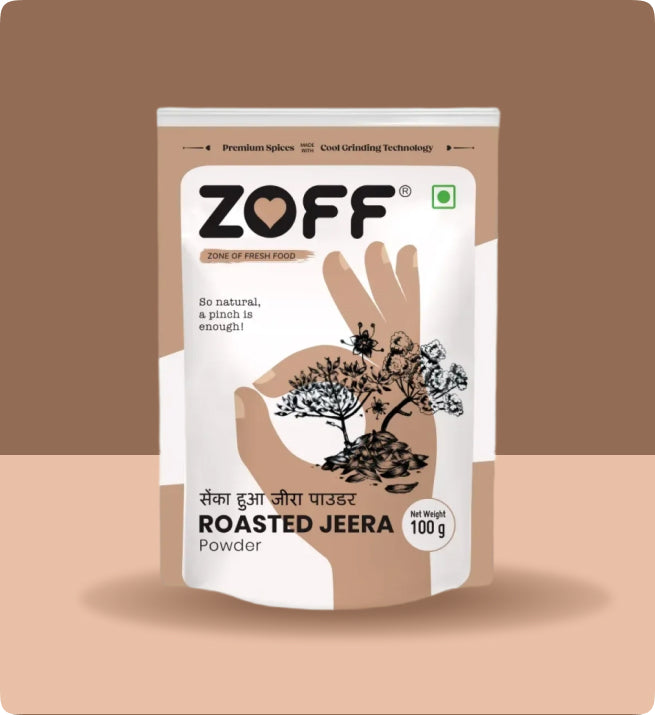
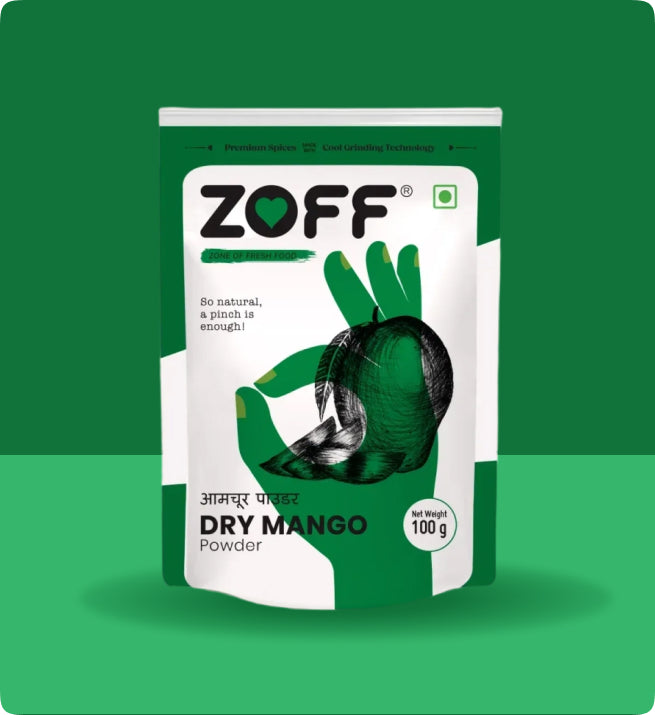
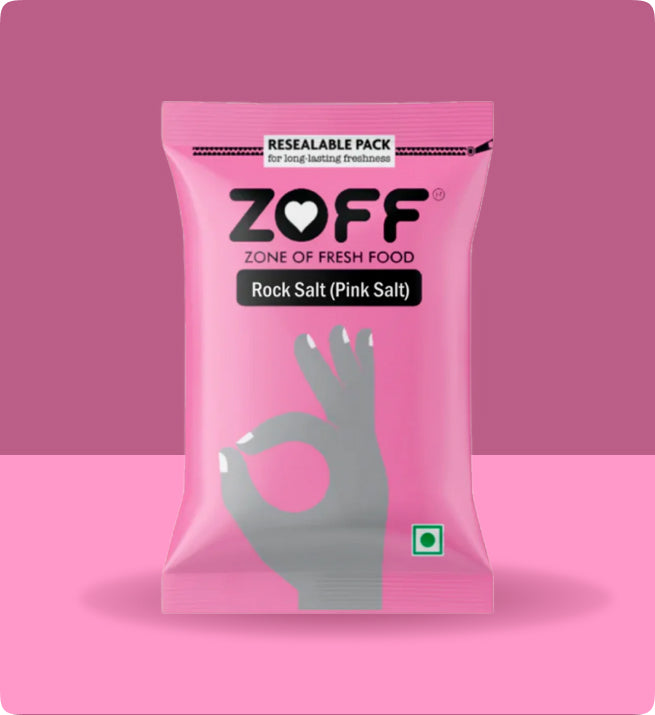
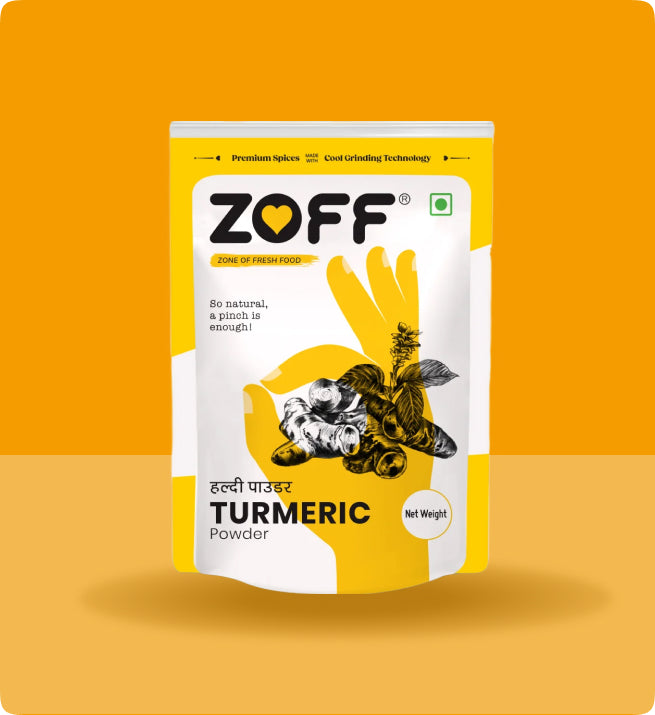
ZOFF (Zone of Fresh Foods) offers Shahi Biryani Masala blended from premium whole spices including cardamom, mace, cloves, and cinnamon, ground fresh using cool grinding technology below 60°C to preserve the aromatic oils that make biryani smell the way it should. The resealable zip-lock pouch keeps the blend fresh between uses. Explore the full blended spices range at zofffoods.com.
Explore Other Blogs
Indian Spice Blends|One Pot Indian Dinners|15 Minute Indian Recipes|Rainy Season Foods|Bhel Puri
Disclaimer: The information in this blog is for general informational purposes gathered from various sources. Zoff Foods does not guarantee specific health or nutritional outcomes. Please consult a qualified health professional for personalised dietary advice.


 Sold out
 Sold out