There is a reason pav bhaji tastes like pav bhaji and not just mashed vegetables with chilli powder. The deep red colour, the sweet-spicy-tangy balance, the specific warmth that hits differently from any other Indian curry: all of that comes from one blend.
You can make a passable pav bhaji with garam masala in a pinch, but anyone who has tasted the real thing will notice the difference. The tanginess is missing, the colour is wrong, the fennel sweetness is absent. Here is what goes into the blend, why each ingredient matters, and how to use it beyond just the classic bhaji.
Key Takeaways
- Pav bhaji masala is a dish-specific spice blend, not a general-purpose masala. Designed for the colour, tang, and warmth that define Mumbai-style pav bhaji.
- Key pav bhaji masala ingredients that separate it from garam masala: amchur (dry mango powder) for tanginess, fennel seeds for sweetness, Kashmiri chilli for deep red colour, and black salt for savoury depth.
- Use 1 1⁄2 to 2 teaspoons per batch of bhaji serving 4 people. The blend is potent.
- Beyond pav bhaji, it works well in tawa pulao, masala pav, and mixed vegetable curries when you want a street-food twist.
What Is Pav Bhaji Masala?
Pav bhaji masala is a blended spice powder specifically designed for pav bhaji, Mumbai's most iconic street food. Unlike general-purpose blends like garam masala or kitchen king masala, which are built to work across many dishes, pav bhaji masala is tuned for one job: giving mashed vegetables the exact colour, flavour, and aroma that make pav bhaji taste like pav bhaji.
The blend is characterised by three things that no other masala provides in the same combination: a vivid deep-red colour (from Kashmiri chillies), a mild tanginess (from amchur), and a gentle sweetness (from fennel). Together, these create the signature taste profile that makes pav bhaji instantly recognisable.
Pav Bhaji Masala Ingredients: What Goes Into the Blend
While every brand and every grandmother's recipe varies slightly, the core ingredients stay consistent. Here is what a typical pav bhaji masala contains and what each component contributes:
The base spices (bulk of the blend):
-
Coriander seeds (dhania): Earthy, mildly citrusy. Forms the largest portion of the blend and provides the body.
-
Cumin seeds (jeera): Warm, nutty depth. The second-largest component.
-
Fennel seeds (saunf): The sweet, anise-like note that distinguishes pav bhaji masala from garam masala. Without fennel, the blend feels incomplete.
The colour and heat spices:
-
Kashmiri dry red chillies: Provide the signature deep red colour with minimal heat. Regular red chillies would make the masala too spicy without the vivid colour.
-
Black pepper: Sharp, biting heat that sits behind the chilli warmth.
The aromatic spices:
-
Cloves (laung): Intense, warming fragrance in small quantities.
-
Cinnamon (dalchini): Mild sweetness and warmth.
-
Cardamom (elaichi): Floral, slightly minty aroma.
-
Mace (javitri) and nutmeg (jaiphal): Warm, slightly sweet, used sparingly for aromatic complexity.
-
Star anise: A subtle licorice note that deepens the overall fragrance.
The finishing powders (added after grinding the whole spices):
-
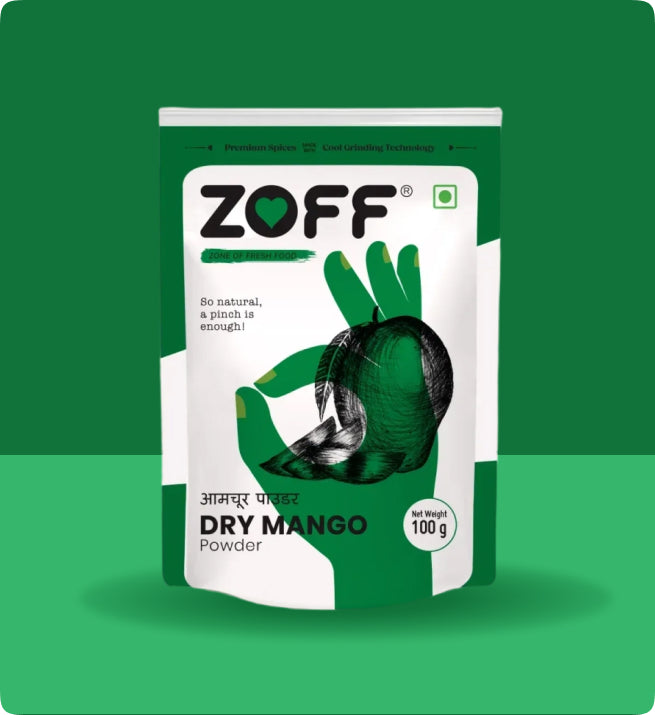
Amchur (dry mango powder): The tanginess that gives pav bhaji its characteristic bite. Not found in garam masala.
-
Dry ginger powder (saunth): Gentle warmth and a peppery undertone.
-
Black salt (kala namak): Savoury, slightly sulphurous depth. Adds the "street-food" quality to the masala.
-
Turmeric: A small amount for colour reinforcement. Optional in some recipes.
The combination of amchur, fennel, black salt, and Kashmiri chillies is what makes pav bhaji masala unmistakably different from any other Indian spice blend.
Pav Bhaji Masala vs Garam Masala
Both are blends. Both contain some of the same spices (cloves, cardamom, cinnamon, pepper). But they do different jobs.
Garam masala is a finishing spice added at the end of cooking. Contains no amchur, no fennel, and no black salt. The flavour is warm and aromatic, not tangy or sweet.
Pav bhaji masala is a cooking masala added during the masala-building stage. The amchur adds tang, the fennel adds sweetness, the Kashmiri chillies add colour, and the black salt adds savoury depth that garam masala cannot provide.
Can you substitute one for the other? In an emergency, add garam masala plus a pinch of amchur, extra Kashmiri chilli powder, and fennel powder. Closer, but not the same.
6 Ways to Use Pav Bhaji Masala
The blend is built for pav bhaji, but its sweet-spicy-tangy profile works in several other dishes.
1. Pav Bhaji (Obviously)
The primary use. Add 1½ to 2 teaspoons to the mashed vegetable base along with Kashmiri chilli powder and butter. The masala handles the entire flavour profile.
2. Tawa Pulao
Mumbai's tawa pulao is essentially leftover pav bhaji vegetables stir-fried with cooked rice on a flat tawa. A teaspoon of pav bhaji masala added to the rice gives it the same colour and flavour as the bhaji.
3. Masala Pav
Butter-toasted pav with a smear of pav bhaji masala mixed into the butter. A quick snack that tastes like the best part of pav bhaji without making the bhaji.
4. Mixed Vegetable Curry (Street-Food Style)
Add a teaspoon of pav bhaji masala to any mixed veg curry for a street-food twist. The tang and colour change the personality of the dish entirely.
5. Paneer Tawa Masala
Cubed paneer cooked on a tawa with capsicum, onions, tomatoes, and pav bhaji masala instead of regular masala. The result is a tangy, red, punchy paneer dish that tastes like it came from a Mumbai street stall.
6. Poha or Upma
A pinch of pav bhaji masala added to morning poha or upma gives a subtle colour and warmth that plain turmeric and chilli cannot match.
Tips for Using Pav Bhaji Masala
-
Add during cooking, not at the end: Unlike garam masala, pav bhaji masala needs heat to develop its full flavour. Add it after the onion-tomato base is ready and cook for 1 to 2 minutes.
-
Do not overuse: The blend is potent. 1 1⁄2 to 2 teaspoons per batch serving 4 people is plenty. More does not mean better; it means muddy.
-
Pair with butter and Kashmiri chilli: Pav bhaji masala works best alongside generous butter (for richness) and extra Kashmiri chilli powder (for deeper colour). The three together create the authentic street-food effect.
-
Store in an airtight container: Blended masalas lose potency faster than whole spices. Use within 2 to 3 months of opening for the best flavour.
Conclusion
Pav bhaji masala is one of those blends that does exactly one thing and does it better than any combination of individual spices can. The tang of amchur, the sweetness of fennel, the colour of Kashmiri chilli, and the savoury depth of black salt are calibrated to produce the specific flavour profile that pav bhaji demands. Once you have used it, going back to substituting with garam masala feels like a compromise.
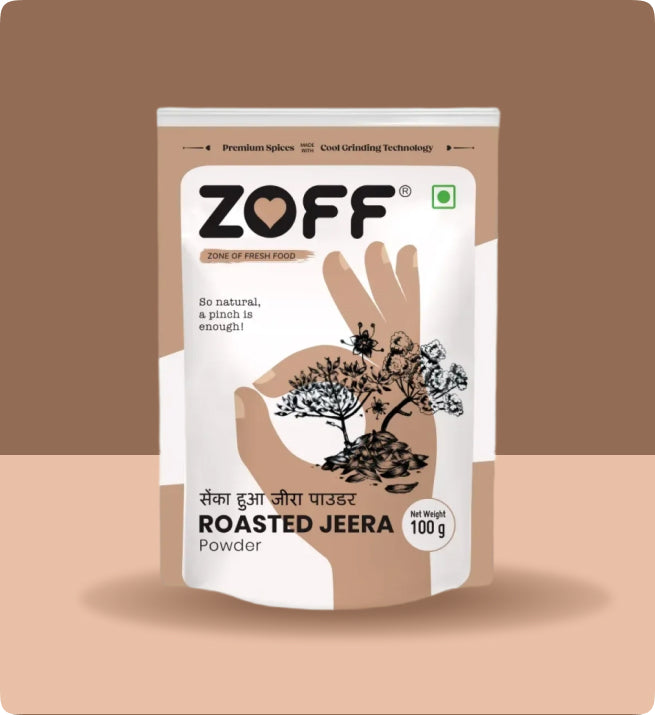
ZOFF (Zone of Fresh Foods) offers Pav Bhaji Masala ground fresh using cool grinding technology below 60°C, preserving the volatile oils, colour, and aroma of every spice in the blend. The resealable zip-lock pouch keeps it fresh between uses. Explore the full range of blended spices at zofffoods.com.
Explore Other Blogs
Indian Spice Blends|One Pot Indian Dinners|15 Minute Indian Recipes|Rainy Season Foods|Bhel Puri
Disclaimer: The information in this blog is for general informational purposes gathered from various sources. Zoff Foods does not guarantee specific health or nutritional outcomes. Please consult a qualified health professional for personalised dietary advice.
Z
ABOUT THE AUTHOR
ZOFF Foods
ZOFF Foods is built on the belief that great taste starts with great ingredients. With cool grinding technology and a focus on freshness, ZOFF brings authentic Indian flavours to every kitchen.
Cool-groundFresh spicesIndian flavours


 Sold out
 Sold out