Tandoori Chicken vs Chicken Tikka: What's the Difference
Share
Order both at a restaurant and you'll notice it fast: one arrives as a full leg or thigh clinging to the bone, deep red and smoky. The other shows up as neat boneless cubes on a skewer, charred at the edges. Same tandoor, same colour, almost the same marinade yet they're not the same dish.
So what actually separates them? The short answer: tandoori chicken is bone-in chicken cooked whole, while chicken tikka is boneless chicken cut into bite-sized pieces. Everything else the spices, the smoky char, the yogurt marinade is largely shared. But those small differences change the texture, cook time, and how you eat them. Let's break it down properly.
The Core Difference, in One Line
Tandoori chicken: the whole bird or large bone-in pieces, marinated and roasted in a tandoor.
Chicken tikka: boneless chunks ("tikka" literally means "pieces" or "bits") skewered and cooked the same way.
The name tells the story. "Tandoori" points to the method (the tandoor clay oven). "Tikka" points to the shape (small pieces). That's why you can have chicken tikka masala but never really "tandoori masala gravy" in the same way tikka pieces are built for curries.
Side-by-Side Comparison
Feature
Tandoori Chicken
Chicken Tikka
Cut of meat
Bone-in whole legs, thighs, or full bird
Boneless cubed breast or thigh
Meaning of name
"Cooked in a tandoor" (method)
"Pieces/chunks" (shape)
Cooking style
Roasted whole on a spit or grill
Threaded on skewers
Cook time
Longer (bone slows heat)
Shorter cooks fast
Texture
Juicier, meat pulls off the bone
Firmer, evenly charred cubes
Best used in
Served as-is with chutney & onion
Curries (tikka masala), wraps, starters
Marinade layers
Usually a single deep marinade
Often two stages for flavour depth
Ingredients: Where They Overlap and Where They Don't
Here's the part most people get wrong they assume the spice mixes are totally different. They're mostly the same base.
Tandoori chicken ingredients typically include thick yogurt (dahi), ginger-garlic paste, lemon juice, red chilli, and the classic tandoori chicken spices likeKashmiri red chilli for colour, garam masala, cumin, coriander, turmeric, and a pinch of salt. The mustard-oil or ghee coating helps it roast without drying out.
Chicken tikka ingredients run almost parallel: yogurt, ginger-garlic paste, lemon, and chicken tikka spices like garam masala, cumin, coriander, chaat masala, kasuri methi (dried fenugreek), and red chilli. The one common addition to tikka is a second marinade layer sometimes with cream or besan (gram flour) to help the boneless pieces hold moisture and cling to the char.
The practical takeaway: if you can marinate tandoori chicken, you can make chicken tikka with the same spice box. You're mainly changing the cut and the cook time. A clean, single-origin spice blend makes both taste sharper pre-ground masalas often lose their punch within weeks of opening.
Which One Should You Make at Home?
Quick framework:
Want something to serve as the star of the plate? Go tandoori, bone-in stays juicy and looks dramatic.
Building a curry, wrap, or party starter? Go tikka, cubes cook evenly and soak up gravy.
Short on time? Tikka wins. Boneless cooks in 12–15 minutes; bone-in needs 30–40.
No tandoor? Both work in an OTG oven, air fryer, or a hot pan. You lose a little smokiness add it back with the dhungar method (a hot piece of charcoal, a drop of ghee, cover for two minutes).
A Quick Note on the "Red Colour"
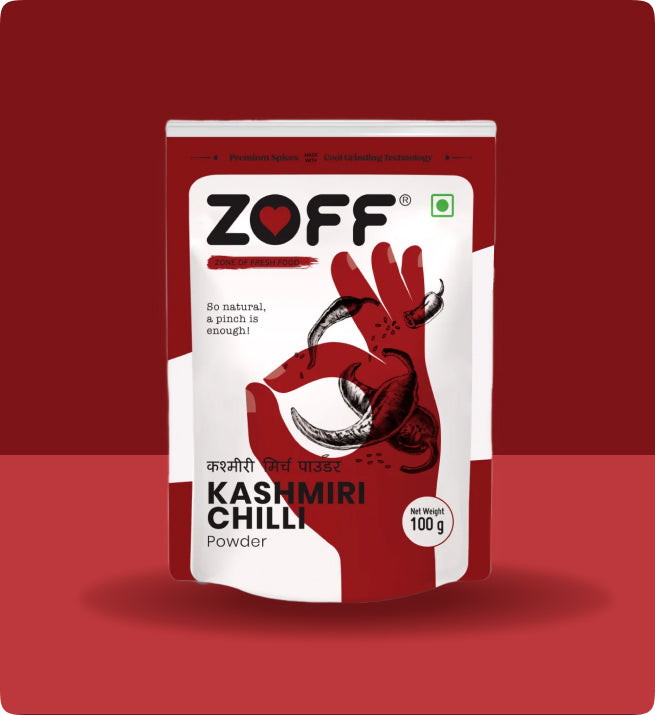
Neither dish is naturally that fluorescent red. Restaurants often use food colour. At home, Kashmiri red chilli powder gives a deep, natural red without excess heat a cleaner choice than artificial dye.
The Bottom Line
Think of it this way: all chicken tikka is a form of tandoori-style cooking, but not all tandoori chicken is tikka. The tandoor unites them; the cut divides them. Bone-in and whole = tandoori. Boneless and cubed = tikka. Once you've got that, you'll never mix them up on a menu again.
Both start with the same handful of everyday spices so the real secret isn't a complicated recipe, it's fresh, well-ground masalas doing the heavy lifting.
Disclaimer: The information in this blog is for general informational purposes gathered from various sources. Zoff Foods does not guarantee specific health or nutritional outcomes. Please consult a qualified health professional for personalised dietary advice.
Frequently Asked Questions
1. What is the difference between tandoori chicken and chicken tikka?
Tandoori chicken is bone-in chicken (whole pieces or full bird) marinated in yogurt and spices and roasted in a tandoor. Chicken tikka is boneless chicken cut into small cubes, skewered, and cooked the same way. The marinade and spices are nearly identical the main difference is the cut of meat and cooking time.
2. Is chicken tikka just boneless tandoori chicken?
Essentially, yes. Chicken tikka uses the same yogurt-and-spice marinade style as tandoori chicken but with boneless cubes instead of bone-in pieces. Tikka often gets a second marinade layer for extra flavour and moisture.
3. Are tandoori chicken and chicken tikka spices the same?
They share a common base yogurt, ginger-garlic, lemon, Kashmiri chilli, garam masala, cumin, and coriander. Chicken tikka usually adds chaat masala and kasuri methi, while tandoori keeps a single deeper marinade.
4. Which is healthier, tandoori chicken or chicken tikka?
Both are grilled or roasted rather than fried, so both are relatively lean. Chicken tikka made with cream in the marinade can be slightly richer. For the leanest option, choose either with a yogurt-based (not cream-based) marinade.
5. Can I make tandoori chicken and chicken tikka without a tandoor?
Yes. Both cook well in an OTG oven, air fryer, or a hot pan. Use the dhungar (charcoal-smoke) method to add the smoky tandoor flavour at home.
6. Why is tandoori chicken red?
The red colour comes from Kashmiri red chilli powder and, in many restaurants, added food colouring. At home, Kashmiri chilli gives a natural deep red without extra heat.
Z
ABOUT THE AUTHOR
ZOFF Foods
ZOFF Foods is built on the belief that great taste starts with great ingredients. With cool grinding technology and a focus on freshness, ZOFF brings authentic Indian flavours to every kitchen.


 Sold out
 Sold out