Open a fresh packet of whole cumin seeds and take a sniff. The aroma is warm, earthy, and unmistakable. Now open that jar of cumin powder that has been sitting on your shelf for three months. Smell it. If you get anything at all, it is a faint shadow of what cumin is supposed to smell like.
That difference is not just in your head. Ground spices lose their volatile oils, the compounds responsible for aroma and flavour, much faster than whole ones. A whole spice is essentially a sealed package. The oils stay locked inside the seed, pod, or bark until you crush, crack, or heat it. Once ground, those oils start evaporating immediately.
Not every spice needs to be bought whole. Turmeric and red chilli powder are impractical to grind at home daily. But there are seven spices that genuinely taste better when you buy them whole and grind or use them fresh.
Key Takeaways
- Whole spices retain their essential oils for months or even years. Ground spices start losing potency within weeks of opening.
- Seven spices- cumin, black pepper, cardamom, cloves, coriander, fennel, and cinnamon- are worth buying whole because the flavour difference is dramatic.
- Freshly ground spices need just a mortar and pestle or a small spice grinder. No special equipment required.
- Whole spices also serve a second function: they bloom in hot oil during tadka, releasing flavour that powders cannot replicate.
Why Buy Whole Spices Instead of Ground?
The core reason is shelf life. A whole cumin seed can stay potent in an airtight jar for up to 2 years. Ground cumin, once opened, fades within 2 to 3 months.
Whole spices also play a role that ground versions cannot. In Indian cooking, the tadka (tempering) involves briefly heating whole spices in hot oil or ghee. The oil extracts the volatile compounds and distributes them through the dish. You cannot tadka with powdered cumin the same way.
Buying whole also means easier quality verification. A whole clove looks, smells, and feels distinct. Clove powder could contain anything. With whole spices, what you see is what you get.
The 7 Spices Worth Buying Whole
1. Cumin Seeds (Jeera)
Cumin is the most-used whole spice in Indian cooking. A pinch dropped into hot oil at the start of a dal, sabji, or rice dish forms the flavour base for the entire meal. Pre-ground cumin loses its earthy warmth fast once exposed to air.
Why whole is better: Whole cumin splutters in hot oil during tadka, releasing an aroma that coats the dish. Ground cumin, added at the same stage, burns before it can do the same. For dishes where you need cumin powder (like chole masala), toast the seeds in a dry pan for 30 seconds and grind fresh. The difference in smell alone is worth the extra step.
2. Black Pepper (Kali Mirch)
Freshly cracked black pepper and pre-ground pepper from a packet are almost two different spices. Whole peppercorns retain their sharp, biting heat and complex piney notes for months. Ground pepper turns flat and dusty within weeks.
Why whole is better: Crack or coarsely grind peppercorns just before using. The burst of heat and fragrance is dramatically sharper. A pepper mill or a mortar and pestle is all you need.
3. Green Cardamom (Elaichi)
Cardamom pods are nature's perfect packaging. The green shell seals in the tiny black seeds and their intense, minty, slightly citrusy oils. Once the pod is cracked, the aroma floods out. Ground cardamom powder, by contrast, smells like a muted version of itself within days.
Why whole is better: For biryanis, pulaos, and chai, lightly crush the pod and drop it in whole. The slow release of flavour during cooking is what makes cardamom so effective. For desserts where you need the powder, crush a few pods fresh rather than reaching for a months-old jar.
4. Cloves (Laung)
Cloves are among the most intensely aromatic spices in the masala dabba. A single clove can perfume an entire pot of rice. Ground cloves are potent too, but the volatiles dissipate rapidly once exposed to air.
Why whole is better: Whole cloves infuse oil and liquid slowly, giving you controlled flavour. Ground cloves can overwhelm a dish in seconds. For garam masala and biryani, whole is the standard.
5. Coriander Seeds (Dhania)
Whole coriander seeds have a bright, citrusy quality that vanishes almost entirely in pre-ground coriander powder. The powder is convenient for daily cooking, but if you have ever dry-roasted whole coriander and crushed it fresh, you know the flavour profile is far more complex.
Why whole is better: Toast seeds in a dry pan until fragrant (about 1 minute), let them cool, and grind in batches. A small jar of freshly ground coriander outperforms any store-bought powder. Especially useful for marinades and samosa filling.
6. Fennel Seeds (Saunf)
Fennel has a sweet, anise-like flavour that fades quickly once ground. Whole seeds, on the other hand, keep their sweetness for months and are used as a mouth freshener after meals precisely because they still pack a punch.
Why whole is better: Add a pinch to tadka for subtle sweetness in dals. Chew a few after meals for fresh breath. Grinding fennel at home for Kashmiri or Gujarati dishes preserves the delicate sweetness that pre-ground fennel loses.
7. Cinnamon Sticks (Dalchini)
Whole cinnamon bark releases its warm, sweet aroma slowly when added to hot oil or simmering liquid. Ground cinnamon delivers a quick hit of flavour but loses complexity rapidly once the jar is opened.
Why whole is better: For biryanis, pulaos, and Mughlai gravies, a stick of cinnamon in the tempering adds a rounded warmth that powder cannot match. A 1-inch piece is enough for an entire pot. After cooking, remove the stick before serving.
How to Store Whole Spices for Maximum Shelf Life
Buying whole only pays off if you store them properly.
-
Airtight containers: Glass jars or resealable zip-lock pouches keep air and moisture out. Open containers on the shelf are the fastest way to lose freshness.
-
Cool, dark, dry spot: A cupboard away from the stove and direct sunlight is ideal. Heat accelerates oil evaporation.
-
Label and date: Even whole spices do not last forever. Most whole spices keep well for 1 to 2 years. After that, check the aroma before using.
-
Buy sealed, branded packs: Loose, unpackaged spices from unknown sources are harder to verify for quality. Sealed packs with clear labelling, batch numbers, and an FSSAI licence offer more assurance.
Conclusion
Not every spice needs to be bought whole. But cumin, black pepper, cardamom, cloves, coriander, fennel, and cinnamon are seven where the freshly ground spices version is so much better than pre-ground that the extra minute of grinding pays for itself in every dish.
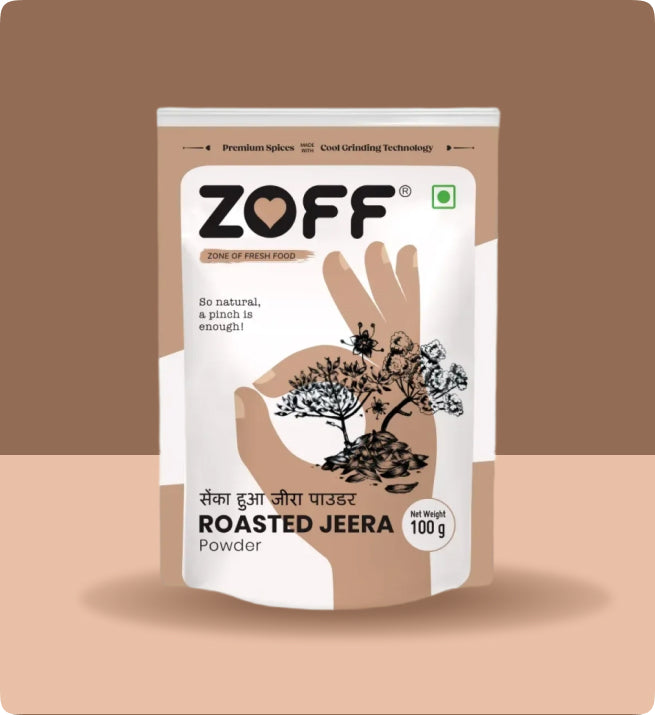
ZOFF (Zone of Fresh Foods) offers a full range of whole spices sourced with complete traceability, hand-cleaned and machine-cleaned, and packed in resealable pouches to preserve the essential oils that carry flavour. From cumin seeds and cloves to cardamom and fennel, every spice is processed with minimal human intervention and sealed at the source. Explore the range at zofffoods.com.
Explore Other Blogs
Indian Spices List|Blended Spices|Indian Spice Blends|Spice Routes|Beginner Spices
Disclaimer: The information in this blog is for general informational purposes gathered from various sources. Zoff Foods does not guarantee specific health or nutritional outcomes. Please consult a qualified health professional for personalised dietary advice.


 Sold out
 Sold out