Indian cooking uses dozens of spices, but most everyday meals rely on the same handful of blended masalas. A well-chosen set of 9 spice blends can handle everything from a Monday night dal to a Sunday biryani to a party-day pav bhaji, without needing to measure individual spices from scratch each time.
Blended masalas are pre-mixed combinations of ground spices, each designed for a specific type of dish or a broad category of cooking. Some, like garam masala, go into almost everything. Others, like biryani masala or chole masala, are built for a single dish and do that one job exceptionally well. Here is a practical indian masala list of the 9 types of masala blends that, together, cover roughly 90% of what most Indian households cook in a given month.
Key Takeaways
- Nine blended masalas cover almost every everyday Indian dish: garam masala, kitchen king, sabji masala, chole masala, sambhar masala, biryani masala, pav bhaji masala, meat masala, and chaat masala.
- General-purpose blends (garam masala, kitchen king) work across many dishes. Dish-specific blends (chole, biryani, pav bhaji) are built for one dish and do it better than any general blend can.
- Blended masalas save time on weeknights but do not replace knowing your individual spices. The best cooks use both.
The 9 Must-Have Masala Blends
1. Garam Masala
Garam masala is the most widely used blended masala in Indian cooking. The name literally means "warm spice blend," and the mix typically includes cardamom, cloves, cinnamon, black pepper, cumin, coriander, and bay leaf.
What it does:
- Adds warmth and aromatic depth.
- Used as a finishing spice, added in the last minute of cooking so the volatile oils do not cook off.
Use it in: Dal, paneer curry, egg bhurji, aloo gobi, rajma, chole, mixed veg sabji, biryani. Essentially any savoury Indian dish benefits from a pinch at the end.
2. Kitchen King Masala
Kitchen King masala is the all-purpose option. Where garam masala is a finishing spice, kitchen king is a cooking masala: you add it during the masala-building stage, and it replaces the need to measure coriander, cumin, turmeric, and chilli separately.
What it does:
- Provides a complete, balanced spice profile in a single spoonful.
- Contains amchur (dry mango powder), which adds tanginess that garam masala lacks.
Use it in: Mixed vegetable sabji, aloo matar, paneer dishes, dal, egg curry, pulao. The go-to for any weeknight meal where speed matters.
3. Sabji Masala
Sabji masala is similar to kitchen king but specifically tuned for dry and semi-dry vegetable dishes. The spice ratios are adjusted to complement vegetables rather than gravies or meat.
What it does: Seasons stir-fried and dry vegetable preparations with a warm, slightly tangy flavour profile.
Use it in: Bhindi masala, baingan bharta, aloo sabji, tinda, lauki, gobi sabji, and any tawa-cooked vegetable. Particularly useful when you want the masala to coat the vegetables rather than dissolve into a gravy.
4. Chole Masala
Chole masala is a dish-specific blend built for chickpea curry. The mix typically includes amchur, anardana (pomegranate seed powder), black salt, and a higher proportion of warming spices that give Punjabi chole its characteristic deep, tangy, smoky flavour.
What it does: Gives chole its signature taste, which is noticeably different from what you get if you use garam masala or kitchen king alone.
Use it in: Chole (obviously), but also chana chaat, aloo chole, and any chickpea-based dish. Some cooks also use a pinch in rajma for added depth.
5. Sambhar Masala
Sambhar masala is essential for South Indian cooking. The blend typically includes coriander, cumin, fenugreek, mustard, curry leaves, dried red chillies, and urad dal (black gram), roasted and ground together.
What it does: Gives sambhar its distinctive earthy, tangy, slightly bitter flavour that no other masala can replicate.
Use it in: Sambhar (the lentil-vegetable stew served with idli, dosa, and rice), rasam, and some South Indian vegetable preparations. If you cook South Indian food even occasionally, sambhar masala is non-negotiable.
6. Shahi Biryani Masala
Biryani masala is a fragrant, aromatic blend built for layered rice dishes. The spice profile leans heavily on cardamom, mace, nutmeg, saffron, and star anise, giving biryani its characteristic perfumed warmth.
What it does:
- Adds the complex, layered aroma that separates biryani from simple pulao.
- Used both in the meat marinade and sprinkled between rice layers.
Use it in: Chicken biryani, mutton biryani, vegetable biryani, and even a dressed-up pulao when you want more fragrance than a simple jeera rice.
7. Pav Bhaji Masala
Pav bhaji masala is what makes pav bhaji taste like pav bhaji. The blend includes a higher proportion of Kashmiri chilli (for deep red colour), fennel, coriander, and a hint of sweetness that gives the bhaji its unmistakable Mumbai street-food flavour.
What it does:
- Delivers the bright red colour and the specific sweet-spicy-tangy profile that defines pav bhaji.
- No amount of garam masala or kitchen king can replicate it.
Use it in: Pav bhaji, tawa pulao, and masala pav. Some cooks also add a pinch to mixed vegetable curry for a street-food twist.
8. Meat Masala
Meat masala is a robust, pungent blend designed for non-vegetarian cooking. The spice ratios are heavier on black pepper, cloves, cinnamon, and bay leaf, all of which cut through the richness of meat and add depth to slow-cooked curries.
What it does: Seasons mutton, chicken, and fish curries with the kind of bold, layered spice profile that vegetable-focused blends cannot achieve.
Use it in: Mutton curry, chicken curry, keema, fish curry, and egg curry. The blend is built to stand up to the stronger flavours of meat without getting lost.
9. Chaat Masala
Chaat masala is the tangy, savoury, slightly sulphurous seasoning that makes street food taste like street food. The blend includes amchur, black salt (kala namak), cumin, and dried ginger, giving it a sharp, appetising kick.
What it does:
- Adds tang and a savoury punch to finished dishes.
- Sprinkled on top after cooking, not cooked into the masala base.
Use it in: Bhel puri, sev puri, aloo chaat, fruit chaat, raita, lassi, and even sliced cucumbers or watermelon. Anywhere you want a tangy, savoury lift.
General-Purpose vs Dish-Specific: When to Use What
The nine blended masalas above fall into two categories:
General-purpose blends (garam masala, kitchen king, sabji masala): work across many dishes. If you could only buy three masalas, these three would cover most weeknight meals.
Dish-specific blends (chole, sambhar, biryani, pav bhaji, meat masala): are built for particular dishes or cuisines. A general blend will get you close, but the dish-specific version gets you there.
Chaat masala sits in its own lane as a finishing seasoning rather than a cooking masala.
For a fully stocked masala shelf, start with the three general-purpose blends and add the dish-specific ones based on what you cook most often.
Conclusion
Nine blended masalas sound like a lot, but each one covers a distinct set of dishes and flavour profiles. Together, they handle nearly everything an Indian kitchen encounters in a typical month, from a 10-minute weeknight dal to a weekend biryani to a rainy-day plate of pav bhaji.
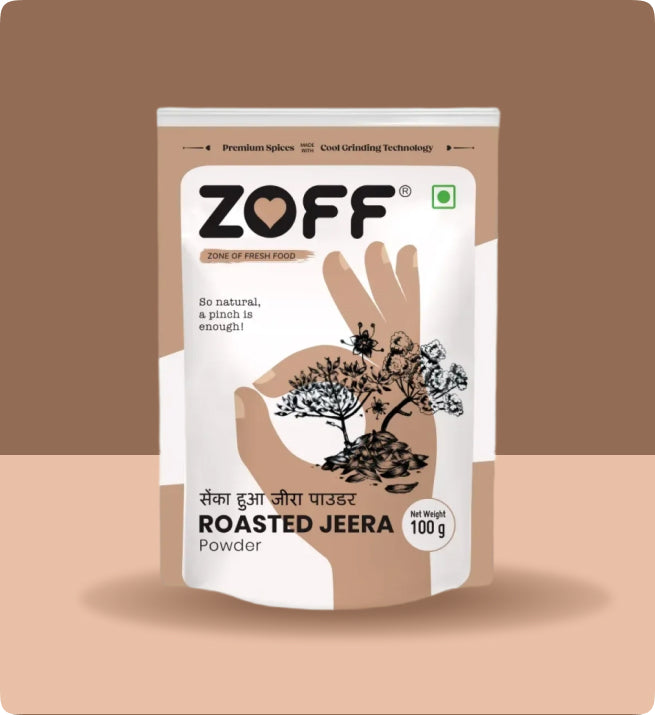
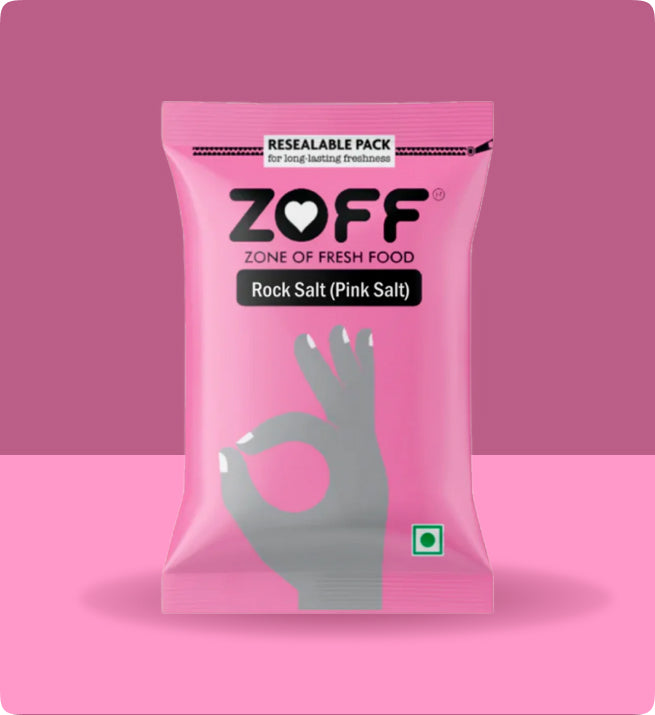
ZOFF (Zone of Fresh Foods) offers the complete range of blended masalas, from garam masala and kitchen king to biryani masala and pav bhaji masala. Every blend is ground fresh using cool grinding technology below 60°C and packed in resealable zip-lock pouches. Explore the full range at zofffoods.com.
Explore Other Blogs
Moong Dal Chilla|Beans|Poha|Batata Vada|Maharashtrian Puran Poli
Disclaimer: The information in this blog is for general informational purposes gathered from various sources. Zoff Foods does not guarantee specific health or nutritional outcomes. Please consult a qualified health professional for personalised dietary advice.


 Sold out
 Sold out