Indian cooking has a spice for everything. Turmeric for colour, cumin for tadka, garam masala for finishing warmth. But when you are standing at the stove on a weeknight making aloo gobi or a quick sabji, measuring out five or six different powders one by one starts to feel like too many steps for a simple meal.
Kitchen King Masala exists to solve exactly that problem. A single spoonful of this all-purpose blend replaces the need to reach for coriander, cumin, turmeric, chilli, and a handful of other spices separately. The result is a well-rounded flavour that works across almost every everyday Indian dish, from dal to paneer curry to mixed vegetable sabji.
Here is what Kitchen King Masala actually contains, how it differs from other blends, and the best ways to use it in your cooking.
Key Takeaways
- Kitchen King Masala is an all-purpose Indian spice blend designed to work across a wide range of dishes: sabji, dal, curries, rice, and even marinades.
-
Core Kitchen King ingredients include coriander, cumin, turmeric, red chilli, black pepper, cardamom, cloves, fennel, dry mango powder, and fenugreek.
- Unlike garam masala, which is a finishing spice added at the end, Kitchen King Masala is a cooking masala added during the masala-building stage.
- Use 1 to 1½ teaspoons per serving for 4 people.
- What Is Kitchen King Masala?
Kitchen King Masala is a blended spice mix that combines the most commonly used spices in Indian cooking into a single, balanced powder. Rather than adding coriander powder, cumin powder, turmeric, chilli, and garam masala one at a time, you add Kitchen King Masala once, and the blend covers all of those flavour notes together.
The name is not a brand. "Kitchen king" is a category of masala, much like "garam masala" or "sabji masala." Different brands use slightly different recipes, but the core idea remains the same: one blend that works in almost any dish.
What sets Kitchen King Masala apart from dish-specific blends like chole masala or biryani masala is its versatility. A chole masala is built for chickpea curry. A biryani masala is built for rice and meat. Kitchen King masala is built for everything, the generalist of the spice shelf.
Kitchen King Ingredients: What Goes Into the Blend
The exact recipe varies between brands, but the core ingredients stay fairly consistent. A typical blend includes:
-
Coriander: The backbone, providing an earthy, mildly citrusy base.
-
Cumin: Warm, slightly nutty depth.
-
Turmeric: For colour and subtle earthiness.
-
Red chilli: For heat (the amount varies by brand).
-
Black pepper: Sharp, biting warmth.
-
Cardamom, cloves, cinnamon: Aromatic warmth and mild sweetness.
-
Fennel seeds: A hint of anise-like sweetness.
-
Dry mango powder (amchur): A key differentiator. Amchur adds mild tanginess that you do not get from garam masala, rounding out the spice profile.
-
Fenugreek (methi): Faint bitterness that adds complexity.
-
Nutmeg, mace, bay leaf: Background warmth in small quantities.
The reason Kitchen King Masala works in so many dishes is that these ingredients collectively cover every flavour note Indian cooking needs: earthy, warm, sharp, sweet, tangy, and aromatic.
Kitchen King Masala vs Garam Masala: What Is the Difference?
Both are blends. Both are popular. Both sit in most Indian masala dabbas. But they serve different roles.
Kitchen King Masala is a cooking masala. You add it during the masala-building stage, after the onions and tomatoes, alongside or instead of individual powdered spices. The blend is designed to cook into the dish and build the overall flavour.
Garam masala is a finishing masala. You add it at the very end, often just before switching off the heat, to layer warmth and aroma on top of the already-cooked dish. Cooking garam masala for too long dulls its fragrance.
In practical terms, you can use Kitchen King Masala as the base and garam masala as the finish. One does the heavy lifting, the other adds the final aromatic touch.
6 Kitchen King Masala Uses in Everyday Cooking
The whole point of an all-purpose blend is that you do not need a separate masala for every dish. Here are six common kitchen king masala uses:
1. Mixed Vegetable Sabji
- A spoonful of kitchen king masala in a basic mixed veg turns it from plain to properly spiced.
- Sauté onions, add tomatoes, stir in the masala, and add whatever vegetables you have: potatoes, beans, carrots, peas, cauliflower.
- Done.
2. Dal
-
After making the tadka (oil, cumin seeds, a pinch of hing), add Kitchen King Masala instead of individual powders.
- The blend carries enough turmeric, coriander, and chilli to season a pot of dal without measuring anything extra.
3. Paneer Curry
- Paneer butter masala, shahi paneer, or a simple paneer sabji all benefit from Kitchen King Masala added during the onion-tomato masala stage.
- The blend adds the same depth that five separately measured powders would, in a single step.
4. Egg Curry
- A quick egg curry with boiled eggs in a spiced gravy is one of the fastest weeknight dinners.
- Kitchen King masala handles the entire spice profile.
- Just add to the gravy, stir, and drop in the halved eggs.
5. Aloo Gobi / Aloo Matar
- Dry or semi-gravy potato dishes pair naturally with Kitchen King Masala.
- The amchur in the blend adds a tanginess that works especially well with potatoes and cauliflower.
6. Pulao and Fried Rice
- Stir a teaspoon into the rice along with sautéed vegetables for a quick masala pulao or a spiced fried rice.
- The blend adds warmth and colour without needing a separate whole-spice tempering.
How to Get the Best Results
A few practical tips for using Kitchen King Masala effectively:
-
Add during cooking, not at the end: Kitchen King Masala needs a minute or two of heat to release its full flavour. Add it after the onion-tomato base is ready and cook for 60 to 90 seconds before adding water or vegetables.
-
Use 1 to 1½ teaspoons per dish: A little goes a long way. Overusing makes the dish taste muddy rather than complex.
-
Pair with garam masala for depth: Kitchen king masala during cooking, a pinch of garam masala at the end. The combination gives you both a well-built base and an aromatic finish.
-
Store in an airtight container: Blended masalas lose potency faster than whole spices. Keep the pack sealed after every use and use within 2 to 3 months of opening.
Conclusion
Kitchen King Masala is the one blend that earns its name. A single spoonful replaces the need to measure out coriander, cumin, turmeric, chilli, and half a dozen other powders individually. For weeknight cooking, where speed matters but flavour cannot be compromised, having a good all-purpose masala in the cabinet is the simplest upgrade you can make.
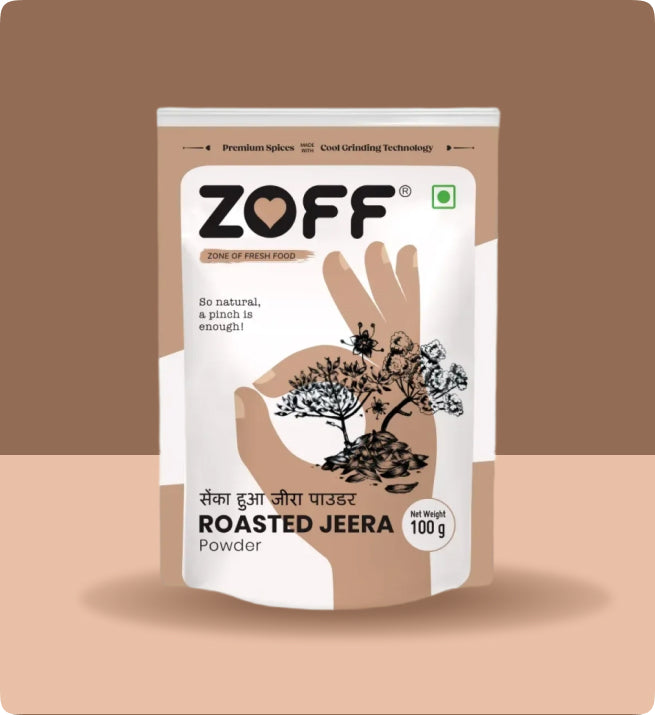
ZOFF (Zone of Fresh Foods) offers Kitchen King Masala crafted from a blend of premium coriander, cumin, turmeric, red chilli, and other aromatic spices, ground fresh using cool grinding technology below 60°C. The resealable zip-lock pouch keeps the blend fresh between uses. Explore the full range of blended spices at zofffoods.com.
Explore Other Blogs
Dry Fruits Name List|Almonds Health Benefits|Makhana Benefits|Sawan Fasting Food|Makhana
Disclaimer: The information in this blog is for general informational purposes gathered from various sources. Zoff Foods does not guarantee specific health or nutritional outcomes. Please consult a qualified health professional for personalised dietary advice.
Z
ABOUT THE AUTHOR
ZOFF Foods
ZOFF Foods is built on the belief that great taste starts with great ingredients. With cool grinding technology and a focus on freshness, ZOFF brings authentic Indian flavours to every kitchen.
Cool-groundFresh spicesIndian flavours


 Sold out
 Sold out